Ramadan 2026: SDAIA Deploys Advanced AI Solutions to Streamline Umrah Services
The Saudi Data and AI Authority (SDAIA) is utilizing data and artificial intelligence (AI) technologies to enhance services for Umrah pilgrims during the blessed month of Ramadan, reported the Saudi Press Agency (SPA).
Working 24/7 across the Kingdom’s air, land, and sea ports in coordination with government agencies, SDAIA ensures a smooth, secure, and digitally integrated journey for all Umrah pilgrims.
SDAIA has collaborated with the Ministry of Interior and the Special Forces for Hajj and Umrah Security to develop smart algorithms that boost service efficiency for pilgrims at the Two Holy Mosques, ensuring higher safety standards and more organized movement throughout the sites.
In light of this, SDAIA streamlines pilgrim’s entry at major airports, such as Jeddah’s King Abdulaziz International Airport, by providing around-the-clock technical support and rapid troubleshooting throughout Ramadan.
In terms of digital transformation, SDAIA collaborates with the General Authority for the Care of the Affairs of the Grand Mosque and the Prophet’s Mosque to provide secure and smart digital solutions that highlight the Kingdom’s commitment to serving the Two Holy Mosques and their guests.
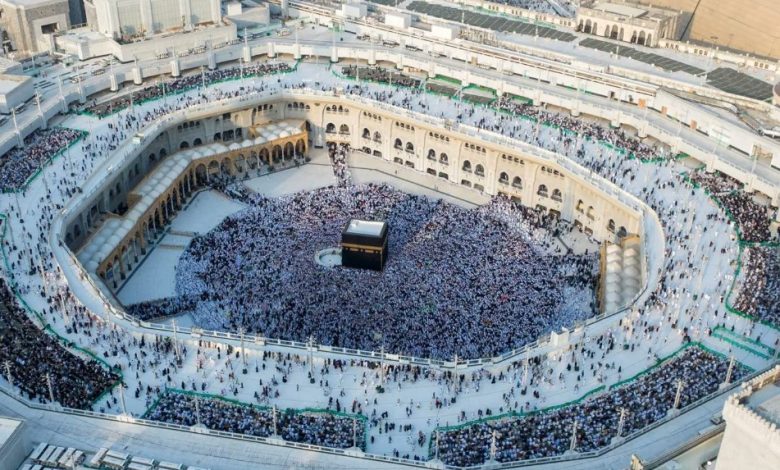
Furthermore, SDAIA, in partnership with Hajj and Umrah Security Special Forces, optimizes crowd flow through digital person-counting at Grand Mosque gates. By monitoring live occupancy levels in the Mataf and surrounding courtyards, the authority ensures safe and effective capacity control for pilgrims.
During Ramadan, Tawakkalna app streamlines the pilgrimage process by offering a one-stop portal for prayer and Umrah permits for Al-Rawdah Al-Sharifa, booking status, and availability notifications.
Through its seamless integration with the Manasik portal, the app also offers worshippers worldwide a window into the Two Holy Mosques via live streaming.
Tawakkalna also enhances the spiritual journey with integrated features, such as the Holy Quran, Qibla direction, prayer times, I’tikaf permits, and the occupancy status of the Mataf and Sa’i.