
Lebanese President Aoun to Make Historic Saudi Visit to Rebuild Bilateral Ties

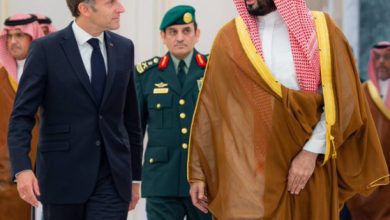
Lebanese President Joseph Aoun will begin a landmark visit to Saudi Arabia on Monday. The trip aims to secure critical support for Lebanon, which faces a severe financial crisis and ongoing challenges from Israel’s 2023 conflict. Marking his first overseas trip since taking office on January 9, President Aoun prioritizes rebuilding Saudi-Lebanese relations. Discussions will address Lebanon’s economic collapse, regional security concerns, and Israel’s persistent occupation of southern border zones.
Saudi Arabia’s Enduring Influence in Lebanon
Crown Prince Mohammed bin Salman invited President Aoun shortly after his election, signaling Riyadh’s renewed engagement with Beirut. Aoun vowed to make Saudi Arabia his inaugural foreign stop, highlighting the kingdom’s historic role in stabilizing Lebanon and Beirut’s Arab unity pledge. After concluding Saudi talks, Aoun will head to Egypt for an Arab Summit.
Saudi Arabia has long shaped Lebanon’s political trajectory, notably mediating the 1989 Taif Agreement that ended its 15-year civil war. The kingdom also historically funded Lebanese institutions, attracting thousands of Saudi tourists annually. Through the Quintet Committee—including Qatar, the U.S., France, and Egypt—Saudi Arabia recently revitalized its Lebanese engagement. Riyadh notably broke Lebanon’s two-year presidential deadlock by backing Aoun’s election.
Securing Regional Stability and Economic Revival
According to reports, President Aoun and Crown Prince Mohammed bin Slaman will focus on preventing Lebanon from hosting regional conflicts or facilitating illegal exports to Gulf states. Talks will also explore recovery strategies under Prime Minister Nawaf Salam’s reform-driven government. Lebanon seeks Saudi investments, reconstruction aid, and resumed trade, including lifting Riyadh’s 2021 travel ban.
Moreover, Lebanon and Saudi Arabia advanced 22 draft agreements across trade, agriculture, education, transportation, and defense sectors. Ministry of Economy Director General Mohammad Abu Haidar credited Saudi Ambassador Walid Bukhari for accelerating negotiations, noting most legal hurdles are resolved. Before relations soured, Lebanon’s annual exports to Saudi Arabia reached $700–800 million. Trade suspensions worsened Lebanon’s 2019 economic crash, which saw currency devaluation and bank savings wiped out amid elite corruption.
Restoring Saudi trade could inject vital foreign currency, rebuild confidence, and generate jobs, offering Lebanon a lifeline amid its worst financial crisis. Saudi Foreign Minister Prince Faisal bin Farhan’s January 23 Beirut visit—the highest-level Saudi trip in 15 years—signaled warming ties. Observers view this as a foundation for renewed Saudi-Lebanese collaboration.