Iran Signals Nuclear Deal Readiness as Trump, Netanyahu Pivot to Max Pressure
Iran has signaled readiness to compromise on its nuclear program in order to reach a deal with the US that lifts sanctions.
American and Iranian delegations prepare for a second round of indirect Oman-mediated negotiations in Geneva on Tuesday, amid reports indicating that US President Donald Trump and Israeli Prime Minister Benjamin Netanyahu agreed on ramping up pressure on Iran to curb oil exports to China.
Iran Ready for Deal
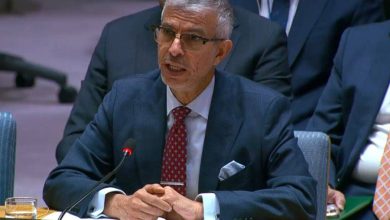
In an interview with BBC on Sunday, Iran’s Deputy Foreign Minister, Majid Takht-Ravanchi, said that Tehran is ready to curb its nuclear activities if Washington agrees to put sanctions relief back on the table.
The Iranian official said that the ball is “in America’s court to prove that they want to do a deal.” He noted that the initial round went “more or less in a positive direction but it is too early to judge.”
He also confirmed the next round of talks will take place this Tuesday in Geneva, adding that Iran is willing to reach an agreement if the American side proves they are “sincere.”
Areas for Compromise
Takht-Ravanchi indicated Iran’s readiness to dilute its 60%-enriched uranium in return for lifting sanctions on the country. “We are ready to discuss this and other issues related to our program if they are ready to talk about sanctions,” he told BBC.
However, Takht-Ravanchi did not elaborate on whether Iran will agree to transfer its 400 kg stockpile of highly enriched uranium to a third country. “It is too early to say what will happen in the course of negotiations,” he noted.
Under the original 2015 nuclear accord, Iran shipped 11,000 kg of low-enriched uranium to Russia, and Moscow has reportedly renewed its offer to accept and store Iranian material as a de-escalation measure.
Red Lines
Iran has insisted that talks should be limited to the nuclear file. “Our understanding is that they have come to the conclusion that if you want to have a deal you have to focus on the nuclear issue,” Takht-Ravanchi noted.
On Friday, Trump told reporters that the US opposes any enrichment. However, Tehran has rejected Washington’s demand for zero enrichment, considering it one of its red lines.
“The issue of zero enrichment is not an issue anymore and as far as Iran is concerned, it is not on the table anymore,” the Iranian official said.
Iran’s red lines also include its ballistic missile program, which Israel insists should be part of any deal, alongside Tehran’s support for regional proxy groups.
“When we were attacked by Israelis and Americans, our missiles came to our rescue so how can we accept depriving ourselves of our defensive capabilities,” Takht-Ravanchi noted.
US Military Threats
With regards to the US military buildup in the region, Takht-Ravanchi warned that a war with the US will be “traumatic, bad for everybody,” particularly the side who initiated it. “If we feel this is an existential threat, we will respond accordingly,” he added.
The US has been ramping up its military presence near Iran, deploying the USS Gerald R. Ford, the world’s largest aircraft carrier, to the Middle East to join the USS Abraham Lincoln Carrier Strike Group stationed there.
The two aircraft carriers bolster a significant military buildup in the region, which includes several guided-missile destroyers, fighter squadrons, and surveillance aircraft, as well as additional refueling tankers and Patriot and THAAD air defense systems.
Maximum Pressure
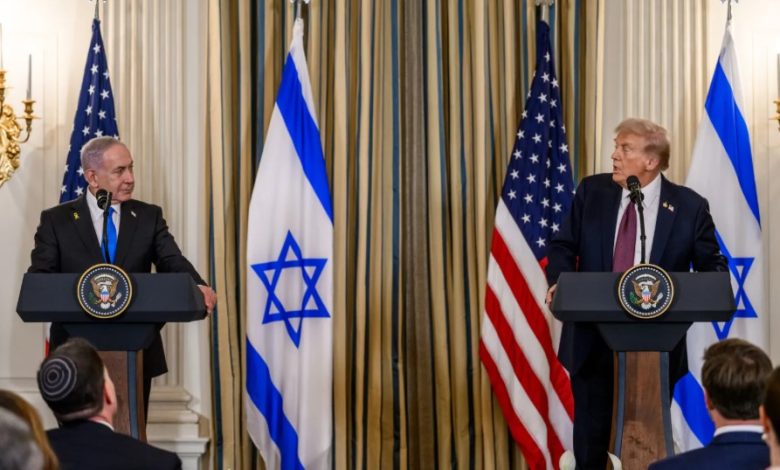
At a White House meeting on Wednesday, Trump and Netanyahu agreed on increasing pressure on Iran, curbing its oil exports to China, Axios reported citing two US officials briefed on the matter.
“We agreed that we will go full force with maximum pressure against Iran, for example, regarding Iranian oil sales to China,” a senior US official said.
With China consuming over 80% of Iran’s oil exports, any disruption to this trade link would severely deplete Tehran’s primary source of revenue.
American officials believe that Iran will reply to the US’ proposal in the next round of talks in Geneva, although they doubt the possibility of reaching an agreement.
“We are sober and realistic about the Iranians. The ball is in their court. If it is not a real deal, we will not take it,” a second US official told Axios.