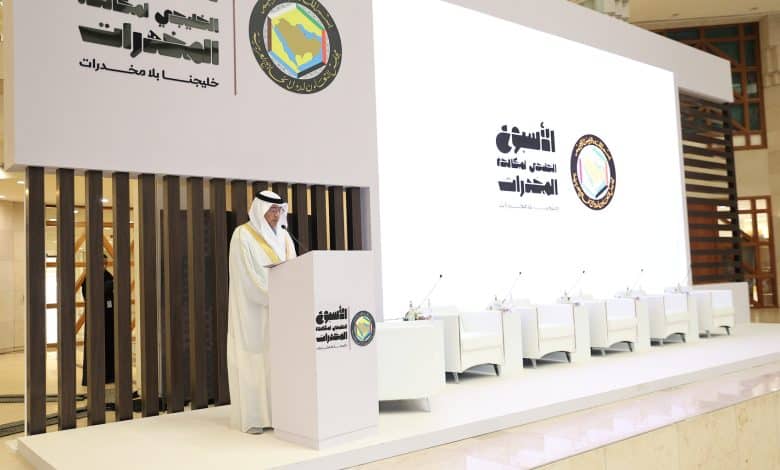
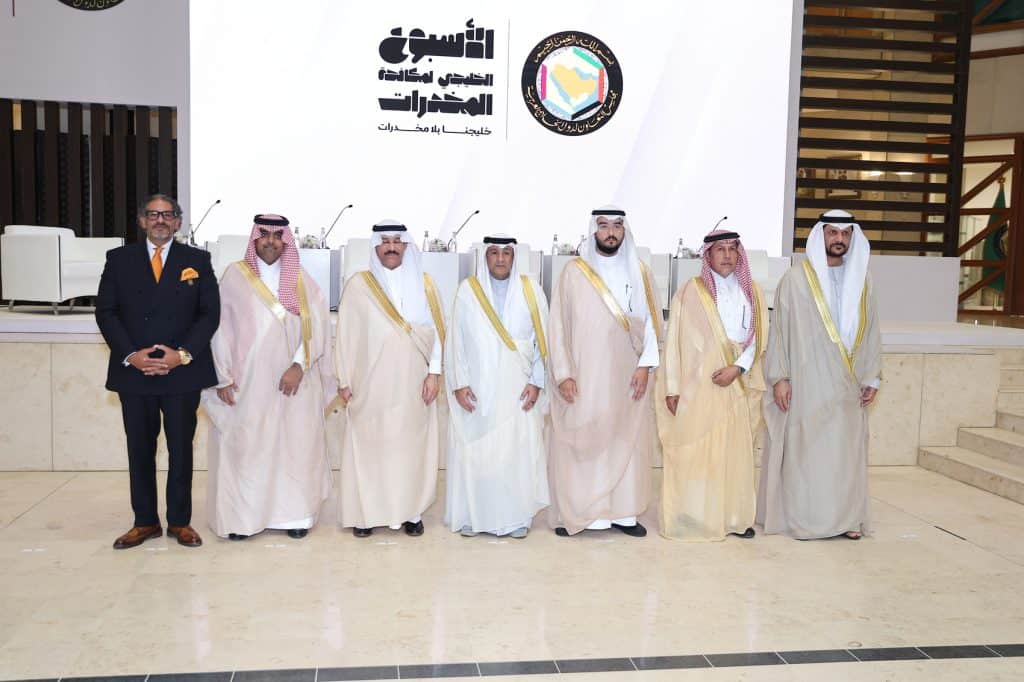
Jasem Mohamed Albudaiwi, Secretary General of the Gulf Cooperation Council (GCC), emphasized the utmost priority given by GCC member states to combating drugs, explaining that this commitment stems from their belief in protecting societies and enhancing the security and safety of citizens.
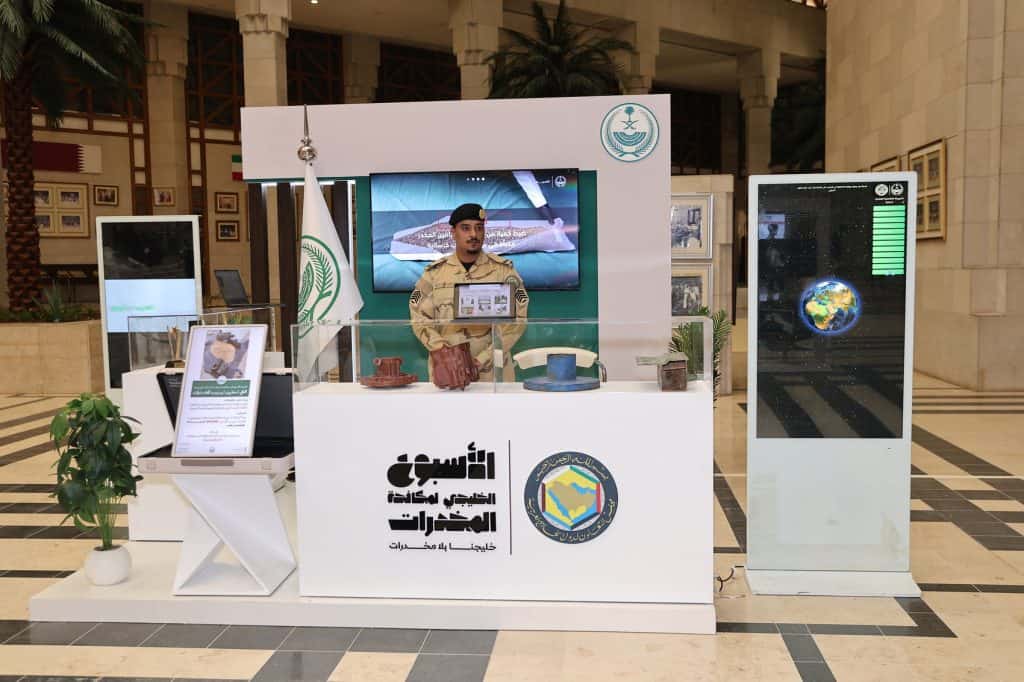
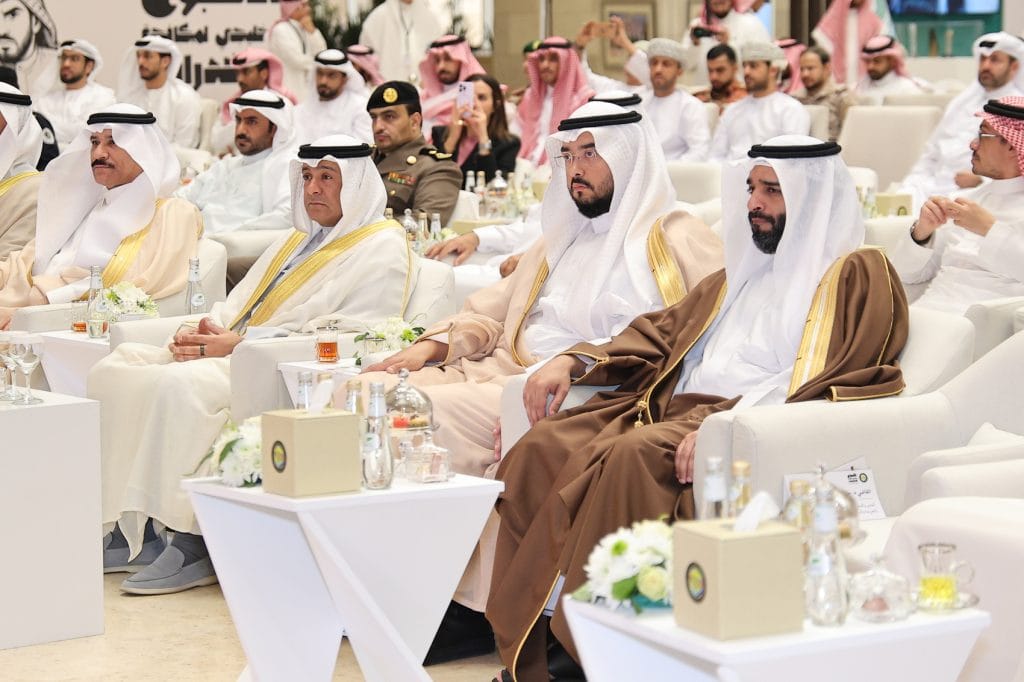
During the celebration of the International Day Against Drug Abuse and the Gulf Anti-Drug Week, Albudaiwi addressed attendees, including representatives from the Ministries of Interior and relevant officials from GCC member states. He remarked, “This occasion embodies the commitment of the GCC member states to continue collective and joint Gulf action.”

A Unified Strategy for Drug Control
Albudaiwi highlighted the Gulf Strategy for Combating Drugs (2025 – 2028) as a comprehensive framework. He explained, “This strategy is based on key pillars, including reducing the supply and demand for drugs.” The strategy aims to dry up sources of drugs while promoting alternative development and enhancing the Gulf legislative system.
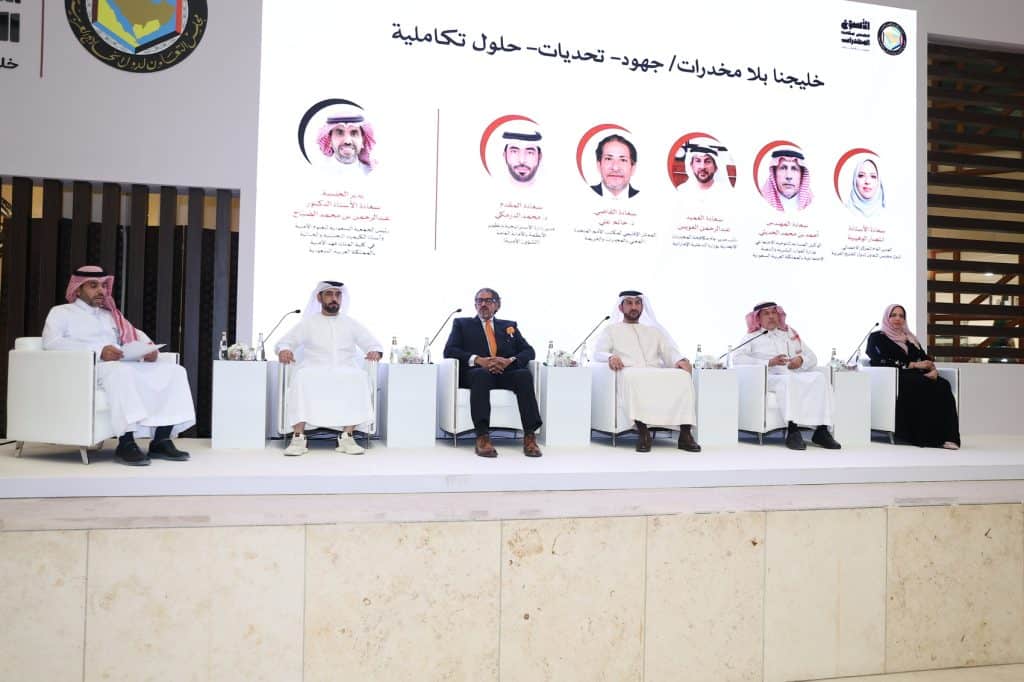
He added, “Combating drugs is a collective responsibility that requires integrated action, sustained effort, and close cooperation.” This approach involves collaboration between governments, societies, and individuals to effectively address drug-related issues.
Albudaiwi underscored the vital role of families and society in drug prevention. He stated, “They constitute the first line of defense against drugs through conscious upbringing, open dialogue, and continuous care.” Schools, media, religious leaders, and civil society institutions also play crucial roles in spreading awareness.

He further emphasized, “The family has a significant and valuable role in providing emotional and social support.” This support creates a stable environment that boosts the self-confidence of recovering individuals and encourages them to rebuild their lives.
Supporting Recovery and Reintegration
The Secretary General affirmed the importance of integrating recovering addicts into society. He noted, “The GCC states have been keen to establish hospitals, centres, and institutions dedicated to this matter.” These facilities provide treatment and rehabilitation programs, ensuring active participation in society.
Albudaiwi expressed pride in the cooperation with strategic partners across GCC member states, saying, “We are keen to bolster these partnerships to ensure coordination and integration at the regional and international levels.”
This collaboration aims to build safe, drug-free societies that protect future generations from the dangers of drug abuse.