
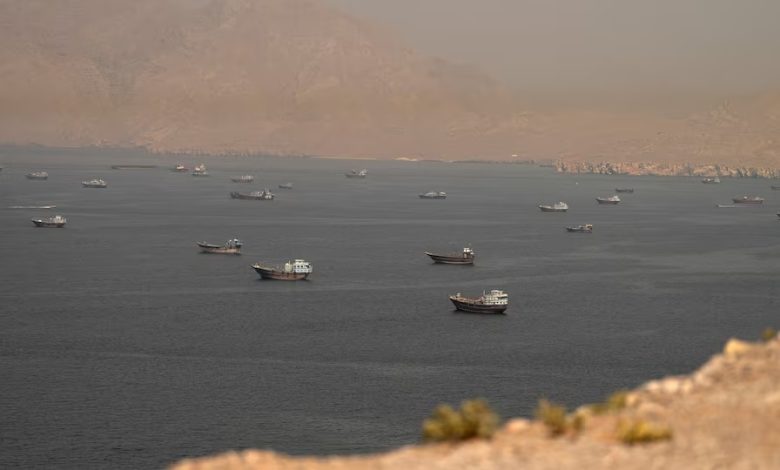
Iran’s semi-official Tasnim news agency reported on Sunday that the Strait of Hormuz will remain closed until both sides fully respect a ceasefire in Lebanon. Citing a source close to the negotiating team, Tasnim said the waterway will also stay shut until authorities implement waivers permitting the sale of Iranian oil.
The Islamic Revolutionary Guard Corps (IRGC)-affiliated outlet had earlier set out additional conditions, including the release of at least $12 billion in Iranian assets and Israel’s full withdrawal from Lebanon. Tasnim warned that reopening the strait merely in exchange for lifting the US naval blockade would amount to a “strategic mistake” and a breach of the Iran-US memorandum of understanding.
Conflicting Signals Cloud Strait’s Status
The renewed threat follows Iran’s Revolutionary Guard Navy declaring the strait closed on Saturday, blaming what it called “US breaches of commitments in implementing the ceasefire” and “Israeli attacks in Lebanon.” However, Iran’s foreign ministry separately insisted shipping remained normal, while US Vice President JD Vance told Fox News that “the strait really is open.”
Washington’s Central Command Center (CENTCOM) said safe passage continued uninterrupted, reporting that 55 merchant ships transited the strait that day, carrying more than 17 million barrels of oil.
Meanwhile, Vance, en route to talks in Switzerland, said tanker traffic had rebounded sharply, noting that “we actually got 16 million barrels of oil out of the Strait of Hormuz yesterday.”
The dispute follows a deadly escalation in Lebanon, asfter Israeli strikes on Saturday reportedly killed at least 16 people, including two children, despite the ceasefire technically remaining in force.
Iranian negotiators arrived in Switzerland on Saturday for talks aimed at reinforcing the truce signed last week between Washington and Tehran. The Strait of Hormuz remains critical to global trade, handling roughly one-fifth of the world’s energy supplies under normal conditions.