
Historic Makkah Landmarks Welcome Record Visitor Numbers Amid Kingdom’s Tourism Surge
The big picture: Historical and cultural destinations across Holy Makkah welcomed 5.9 million visitors through the end of the second quarter of 2026. Consequently, visitor numbers surged by 47% compared to previous performance periods. Furthermore, guest satisfaction scores reached an impressive 95.8% as Saudi authorities expanded heritage restoration efforts and improved public access across holy sites.
Why it matters: Saudi Arabia is rapidly transforming religious and cultural tourism into a primary engine of non-oil economic growth under Vision 2030. Moreover, expanding Makkah’s historical footprint enriches the spiritual journeys of millions of international pilgrims while showcasing Islamic culture and identity.
Driving Heritage Transformation
The Royal Commission for Makkah City and Holy Sites leads this comprehensive heritage strategy alongside key government partners. Currently, more historical locations transition from research, documentation, and protection phases into active visitor readiness. Overall, Makkah historical locations have drawn over 19 million cumulative visitors since officials launched the strategic development framework.
By the numbers:
- 9 million: Visitors who explored Makkah historical sites through Q2 2026, representing a 47% annual surge.
- 8%: Guest satisfaction rating recorded across restored historical and cultural locations.
- 19+ million: Cumulative visitors who toured Makkah heritage destinations since the strategy launch.
- 28: Restored historical sites currently welcoming domestic and international travelers.
- 65: Comprehensive development studies finalized for historical and cultural locations across Makkah.
- 56: Sacred and historical locations fully documented by heritage conservation specialists.
- 32: Historical sites completely restored under Royal Commission oversight.
- 23: Key destinations featuring upgraded physical and digital visitor experience journeys.
- 7: Specialized visitor centers operating to inform and guide incoming tourists.
- 8 kilometers: Protective perimeter fencing safeguarding Mount Noor and Mount Thawr.
- 123 million: Kingdom-wide tourism visits in 2025, already past the original 100-million 2030 target
- 18 million+: international Umrah pilgrims in 2025, en route to a 30-million annual goal by 2030
- $12 billion: religious tourism’s yearly contribution to the economy, about 20% of non-oil GDP
Enriching the Pilgrim Journey
Meanwhile, ongoing development projects continue to transform high-profile historic locations and pilgrimage routes across the Holy City. For instance, teams completed 20 detailed studies for historic tracks, including the Kaaba Kiswah pathway and Royal Palaces Avenue. Additionally, teams rehabilitated five key locations and improved visitor experiences at five additional destinations during the latest execution phase.
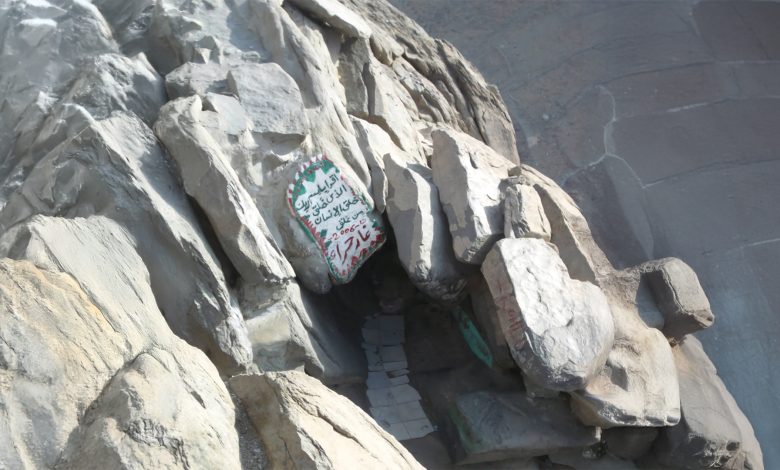
Furthermore, preservation efforts safeguard legendary landmarks such as the historic Cave of Hira and the ancient Dhi Al-Majaz market. Crews also upgraded access roads to the As-Aseelah inscriptions and completed Phase Two of the Ayn Zubaida walking trail. Moreover, partners executed over 15 targeted communication initiatives to build public awareness and promote heritage locations.
To enhance digital accessibility, authorities launched the Two Holy Mosques Landmarks Museum alongside the Mazar smartphone application. Consequently, tourists can now navigate customized digital routes, such as the “Journey of Life” path starting at the Haramain High-Speed Railway station. Additionally, commission teams produced over 100 promotional and educational guides to inform travelers before and during visits.
Powering Saudi Arabia’s Global Tourism Goals
Ultimately, Makkah’s heritage boom accelerates Saudi Arabia’s broader national strategy to establish the Kingdom as a top-tier global travel hub.
- Targeting 150 million annual visitors: The Kingdom officially increased its national visitor target to 150 million by 2030 after surpassing its original 100 million milestone seven years early.
- Record financial contributions: Total tourism spending reached SAR 300 billion ($80 billion) in 2025 as international tourist arrivals expanded significantly.
- Trillion-dollar infrastructure investment: Saudi Arabia allocated over SAR 3.75 trillion ($1 trillion) to overall tourism infrastructure development, including SAR 168.75 billion ($45 billion) dedicated specifically to hospitality expansion.
- Expanding religious capacity: The Pilgrim Experience Program targets 30 million annual Umrah pilgrims by 2030, supported by the Nusuk digital platform serving 51 million global users.
Furthermore, tourism contribution to national GDP continues rising toward a 10% target by 2030. As a result, Makkah combines modern transport connectivity with deep heritage preservation to inspire millions of travelers worldwide.
What’s next: As Saudi Minister of Tourism Ahmed Al-Khateeb noted, “These figures underscore a clear reality: Saudi tourism is no longer an emerging story.” With Expo 2030 on the horizon, the Kingdom is on track to exceed its ambitious goals, blending heritage, innovation, and hospitality to welcome the world.
For Makkah, heritage development adds a vital dimension to pilgrimage. It enables visitors to understand the city not only as Islam’s holiest destination, but also as a living record of faith, scholarship, trade and service to generations of pilgrims.
Makkah’s own transformation, from fenced heritage sites to app-guided trails, shows how Saudi Arabia intends to keep both pilgrims and heritage travelers coming back for more than a single visit.