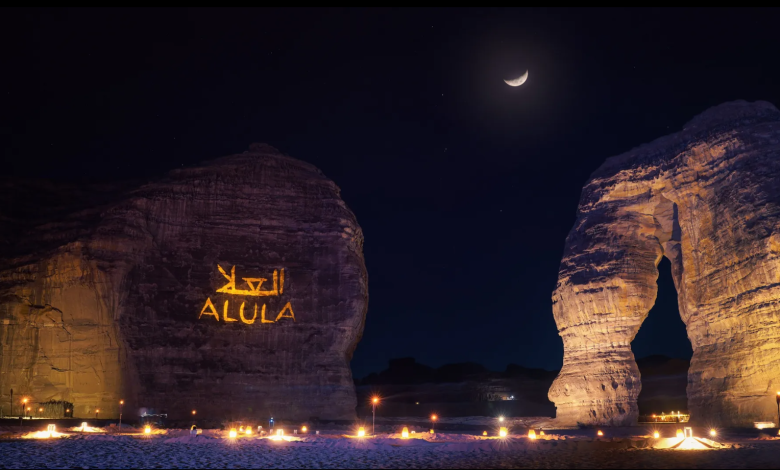
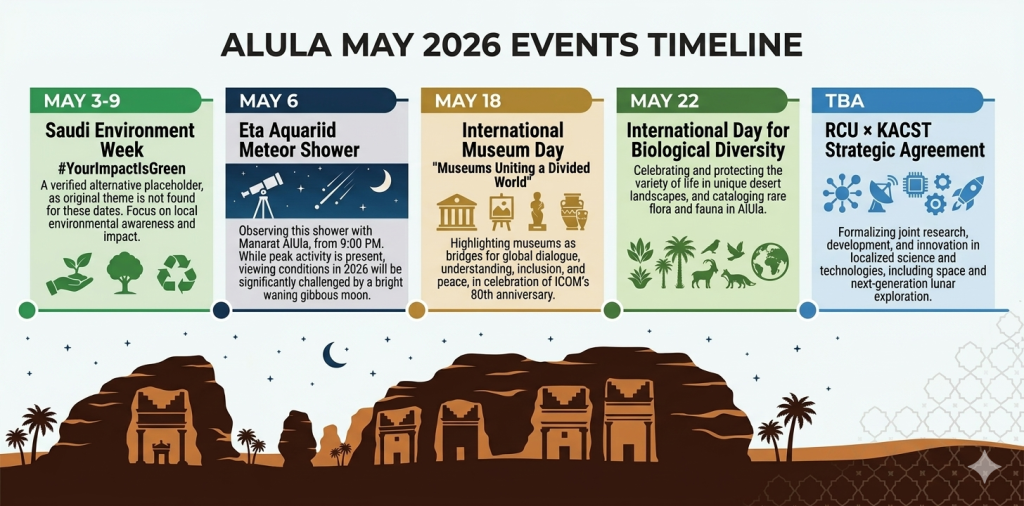
AlUla enters May 2026 with an impressive lineup of events that bring together environmental sustainability, astronomical tourism, and cultural heritage preservation. The Royal Commission for AlUla (RCU) has announced a series of five landmark events and initiatives throughout the month. Together, they reinforce the ancient oasis not only as Saudi Arabia’s premier cultural destination, but also as a global model for responsible, community-centred development aligned with Vision 2030.
Saudi Environment Week: Leaving a Green Footprint
Saudi Green Week kicks off the month from 3-9 May, 2026, under the hashtag #YourImpactIsGreen. This national initiative aims to elevate environmental awareness, promote sustainability concepts, and highlight the importance of protecting natural resources for future generations.
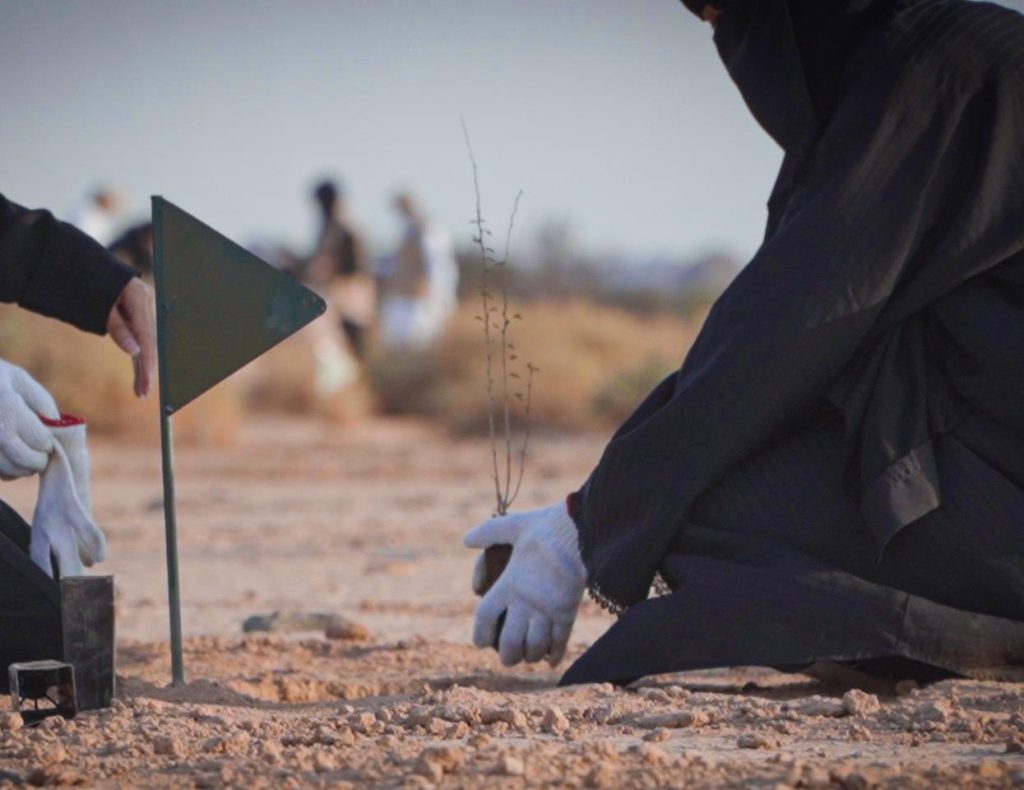
The event aligns perfectly with AlUla’s ambitious environmental restoration programs. Recently, the Royal Commission for AlUla surpassed a major milestone by producing more than one million native seedlings as part of its ecological restoration strategy. To date, over 140,000 native plants have been deployed across heritage sites including Hegra, Dadan and AlUla Old Town
Moreover, the nursery currently cultivates approximately 100 native and heritage plant species, with more than 500,000 seedlings already planted in Sharaan National Park. This initiative directly supports Saudi Arabia’s Vision 2030 commitment to environmental sustainability and the Kingdom’s pledge to reach net-zero emissions by
2060.
Consequently, Saudi Green Week provides an excellent opportunity to showcase these achievements while encouraging community participation in building sustainable behaviours for present and future generations. The event reflects the importance of collaborative work between institutions and individuals to raise environmental awareness and transform it into daily practices that protect natural habitats.
Meteor Showers and Dark Skies: AlUla Reaches for the Stars
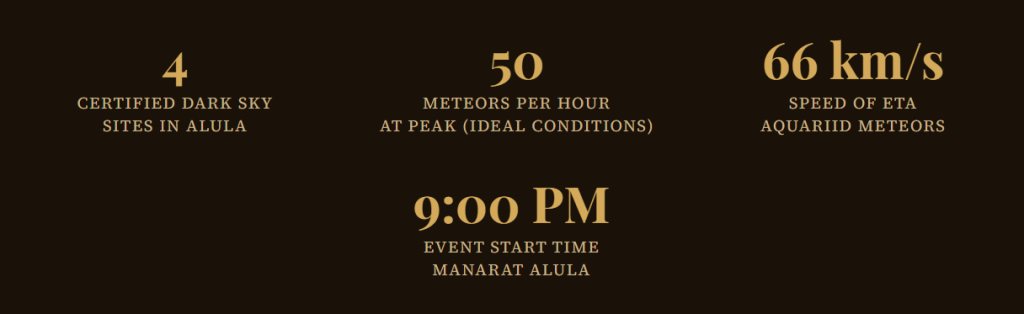
On 6 May, Manarat AlUla invites residents and visitors to gather from 9:00 PM for a guided viewing of the Eta Aquariid meteor shower. The event offers a rare opportunity to witness one of the year’s most celebrated celestial spectacles in one of the few places on Earth that still preserves the natural darkness of its night sky.
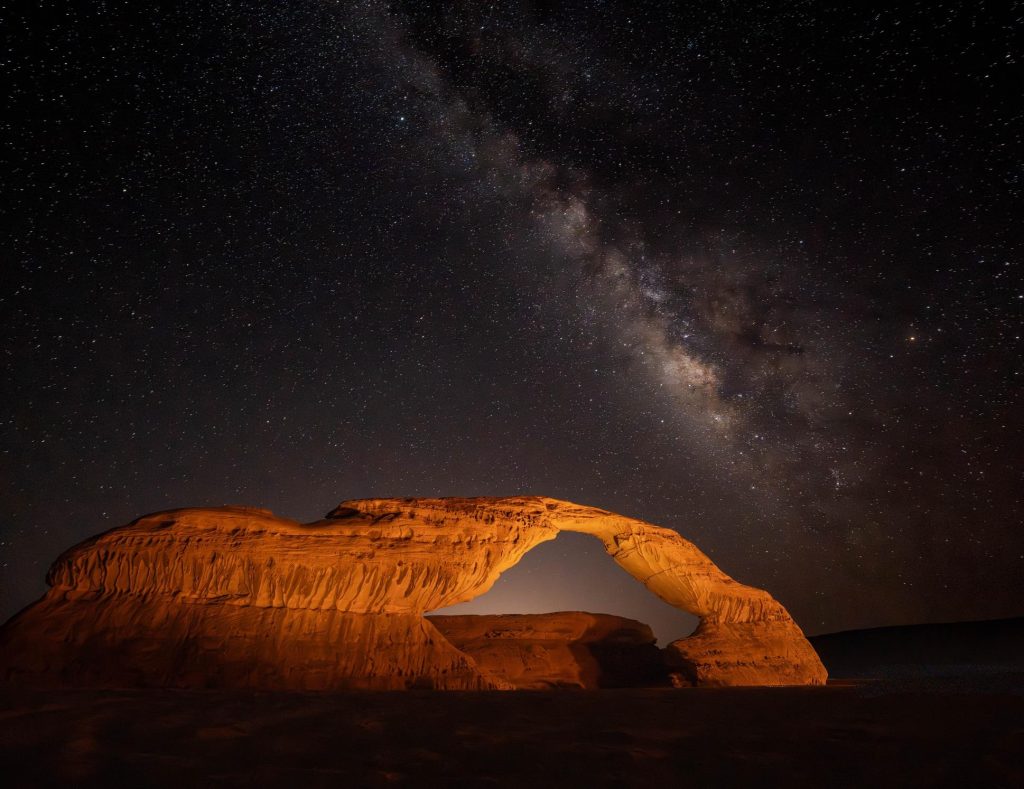
Astronomically, the timing is significant. The Eta Aquariids peak on 6 May, and in ideal viewing conditions the shower can produce up to 50 shooting stars per hour. The meteors originate from debris left behind by Halley’s Comet, which orbits the sun on an average of every 76 years. These are famous for their fast meteors and persistent glowing trails.
AlUla’s positioning as an astrotourism destination adds further weight to the occasion. The Royal Commission for AlUla continues to protect the environment by reducing light pollution and developing astronomical tourism, in line with DarkSky International’s goals to preserve the night sky. This commitment is reflected in the official recognition of several AlUla sites as International Dark Sky Places. Specifically, Sharaan Nature Reserve and Wadi Nakhlah Nature Reserve were recently designated, adding to the 2024 accreditation of AlUla Manara and Al Gharameel Nature Reserve, the first such sites in Saudi Arabia and the Gulf region. Together, they join more than 250 protected dark-sky locations worldwide.
For visitors attending the Manarat AlUla event, the meteor shower therefore represents more than a passing spectacle. It stands as proof that AlUla’s commitment to environmental stewardship extends all the way to the sky above.
International Museums Day Celebrates Millennia of Human Civilisation
On 18 May, AlUla joins the global community in celebrating International Museums Day under the theme “Museums Uniting a Divided World”. This year’s celebration emphasises the crucial role museums play in preserving human heritage, fostering cultural dialogue, and building bridges between communities.
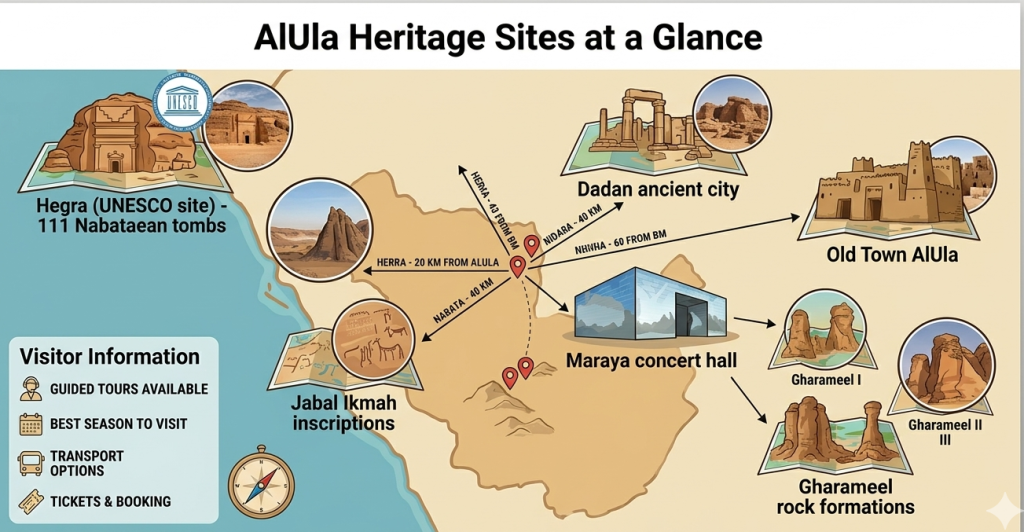
AlUla functions as the world’s largest open-air museum, housing thousands of years of human civilisation. The region features Saudi Arabia’s first UNESCO World Heritage Site, Hegra, which contains 111 well-preserved Nabataean tombs dating back over 2,000 years. Additionally, the area encompasses the ancient Dadanite kingdom sites, Old Town AlUla, and numerous rock art inscriptions.
The Royal Commission for AlUla operates several world-class cultural institutions, including the Maraya concert hall and exhibition space, and the forthcoming Arduna Museum. Recently, “Arduna: Our Land” offered visitors an early glimpse of this soon-to-open contemporary art museum through an exhibition curated in partnership with Paris’ Centre Pompidou.
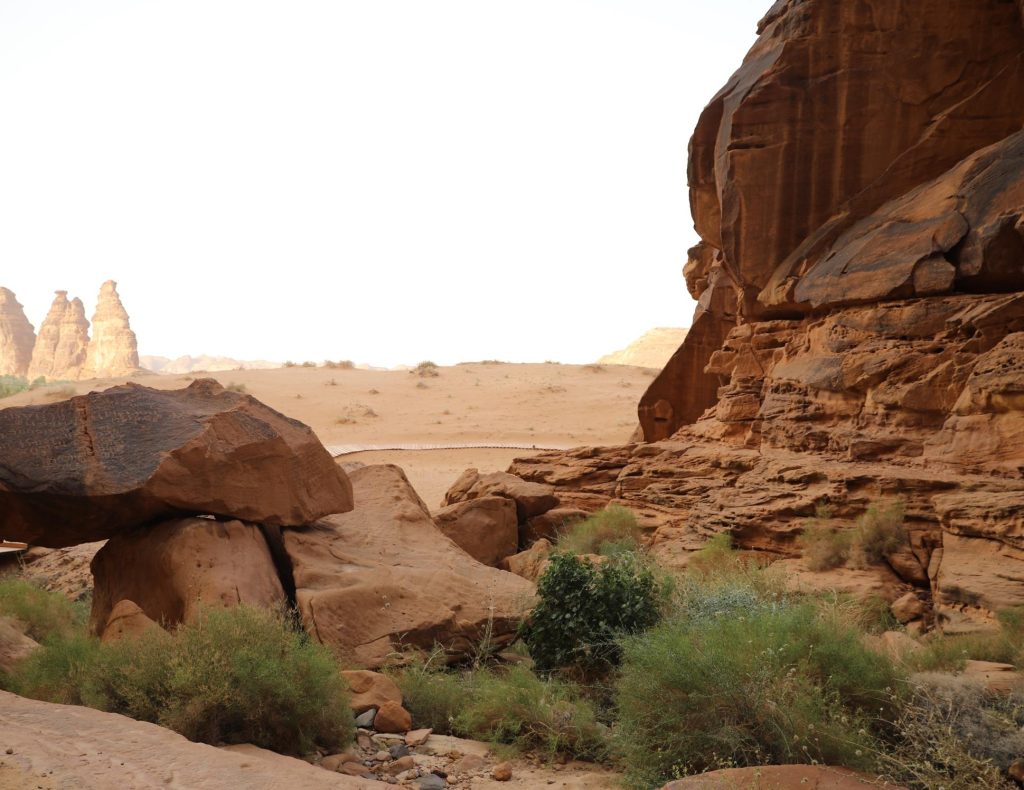
Moreover, AlUla’s museums serve as vital educational platforms connecting visitors and residents with the region’s rich archaeological and cultural legacy. The 2025-2026 Archaeology Program spans excavations, field surveys, digital documentation, and sustainable conservation efforts across major heritage sites.
International Museums Day 2026 provides an opportunity to highlight how AlUla’s cultural institutions balance preservation with innovation, creating immersive experiences that make ancient history accessible while protecting irreplaceable archaeological treasures for future generations.
International Day for Biological Diversity Showcases Ecosystem Restoration
The Royal Commission for AlUla commemorates International Day for Biological Diversity on 22 May, highlighting its comprehensive efforts to protect and restore the region’s unique ecosystems. This global observance, established to commemorate the adoption of the Convention on Biological Diversity, emphasises the critical importance of preserving Earth’s biological wealth.
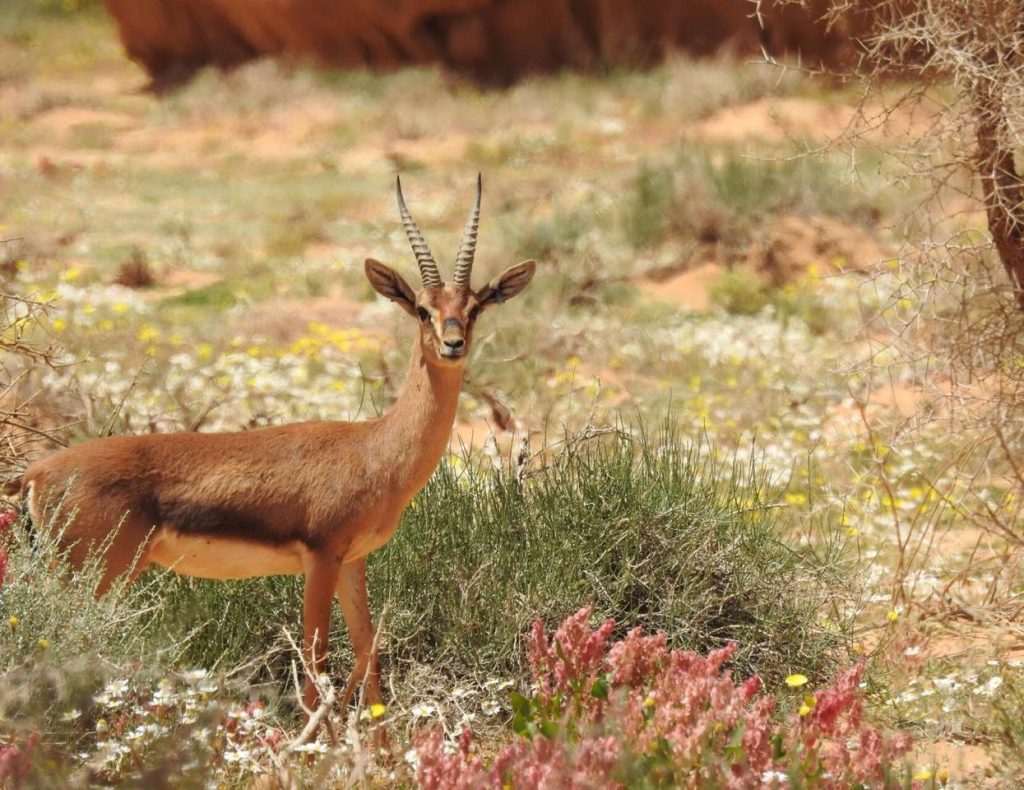
AlUla’s biodiversity initiatives encompass diverse programs including nature reserve development, wildlife reintroduction, water resource protection, and native plant conservation. The region’s natural environment hosts a remarkable variety of ecosystems, from mountains and wadis to oases and desert landscapes, each supporting distinct flora and fauna.
Significantly, the Royal Commission’s Seed Bank continues collecting and conserving seeds from 163 native plant species sourced from diverse locations across AlUla and its nature reserves. This conservation work ensures genetic diversity and supports the region’s ambitious reforestation and habitat restoration programs.
Furthermore, AlUla’s environmental strategy integrates biodiversity protection with sustainable tourism development. By embedding native biodiversity into destination design, the Royal Commission creates more meaningful and authentic encounters for visitors while enhancing ecological resilience.
The International Day for Biological Diversity celebration underscores how AlUla’s holistic approach to environmental stewardship supports both conservation goals and quality of life improvements for residents. These efforts directly contribute to Saudi Arabia’s broader environmental objectives under the Saudi Green Initiative and Vision 2030 sustainability framework.
RCU and KACST: A Strategic Pact
Among the most significant announcements of the month, the Royal Commission for AlUla and the King Abdulaziz City for Science and Technology (KACST) plan to sign a strategic agreement that focuses on cooperation in sustainability, innovation, research, and future economy sectors.
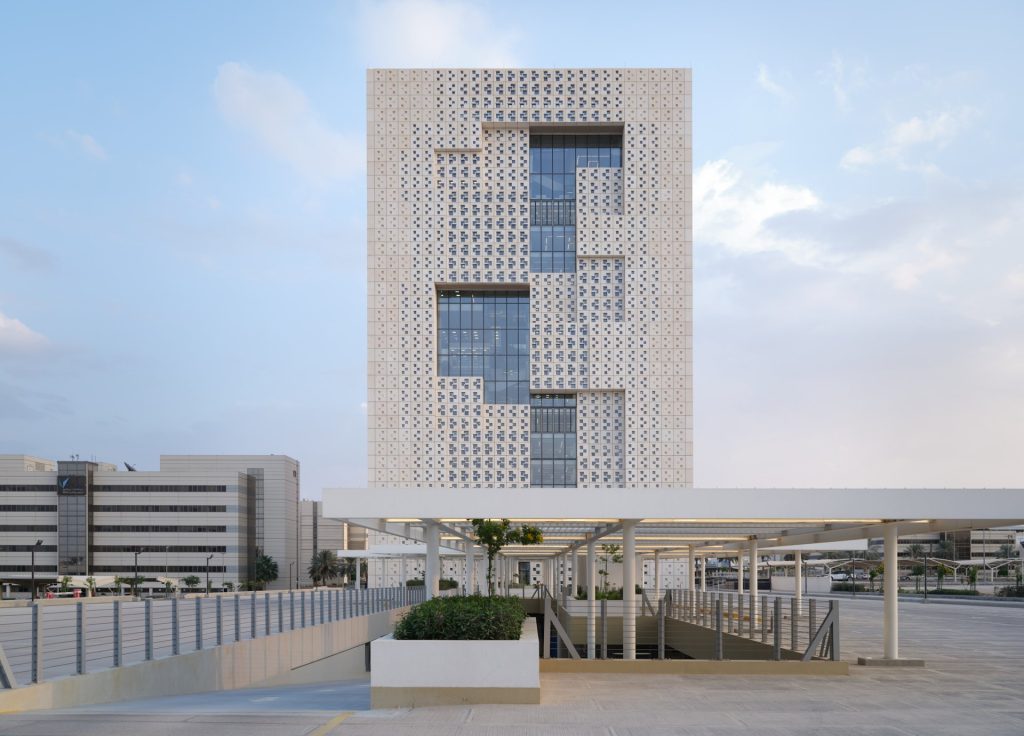
AlUla’s May 2026 events are more than just celebrations, they are a testament to the region’s dedication to balancing development with conservation. By engaging the community and visitors in these initiatives, AlUla is not only preserving its natural and cultural heritage but also inspiring a global movement toward sustainability and responsible tourism.