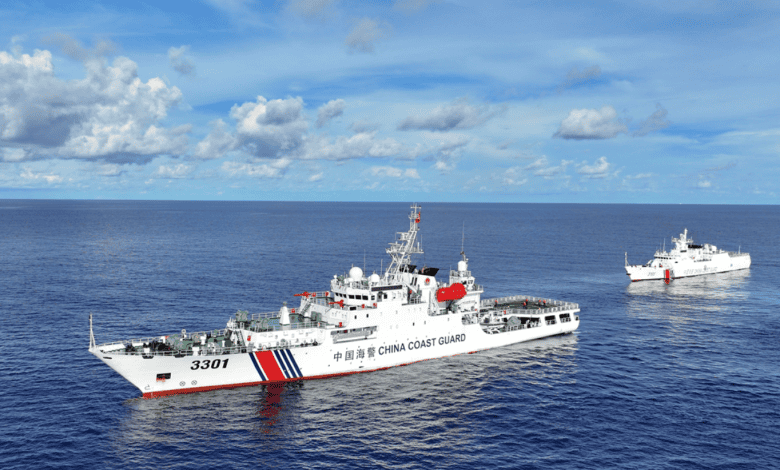
China has sent coast guard vessels through the waters of Japan-administered Senkaku Islands, amid a growing dispute between the two countries over Taiwan.
The dispute was sparked by the Japanese Prime Minister’s remarks on Taiwan – a self-governing island claimed by China as its territory – prompting Beijing to warn its citizens against traveling to Japan.
Sailing through Senkaku
The Chinese coast guard announced on Sunday that it sent vessels on a “rights enforcement patrol” through the waters of the Senkaku Islands, which Japan administers but China claims as the Diaoyu islands, Reuters reported.
“China Coast Guard vessel 1307 formation conducted patrols within the territorial waters of the Diaoyu Islands. This was a lawful patrol operation conducted by the China Coast Guard to uphold its rights and interests,” the statement said.
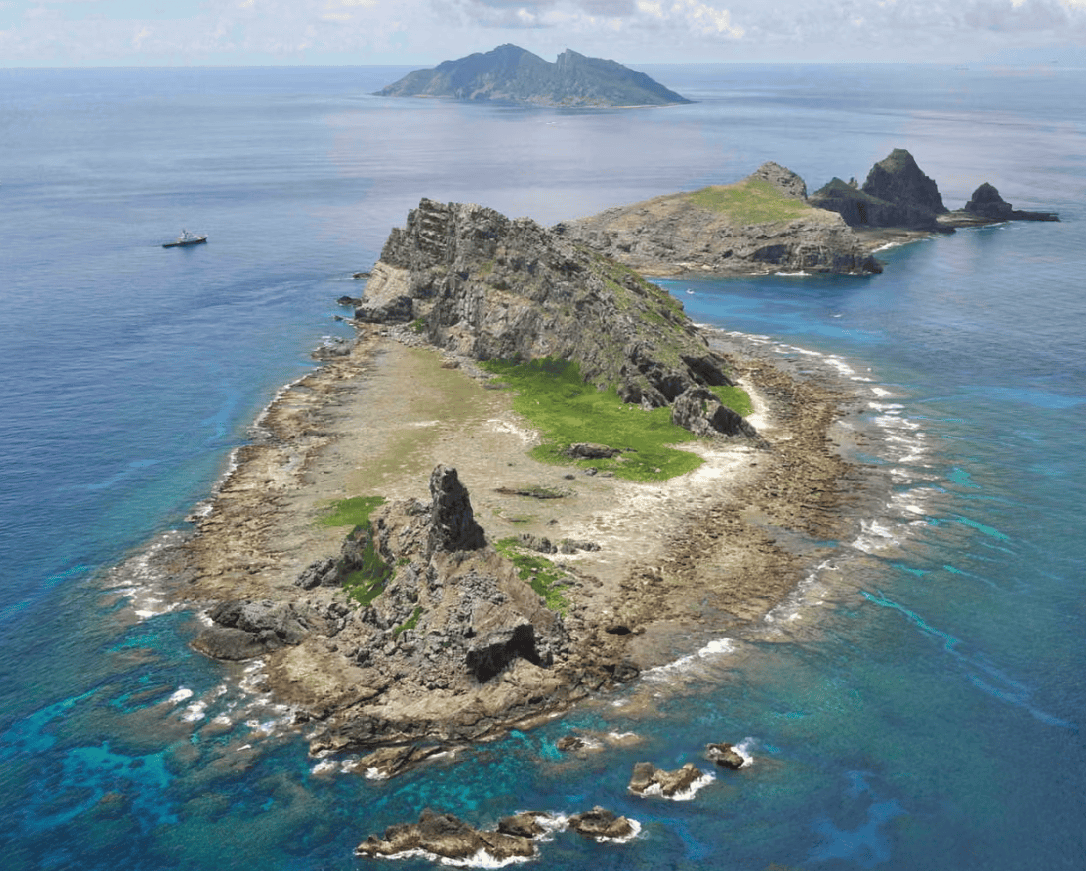
The Senkaku Islands, located in the East China Sea, have been a flashpoint in the Sino-Japanese relations, with both countries making claims to the uninhabited islands. The tensions have led to clashes between both countries’ coast guard.
Diplomatic Row
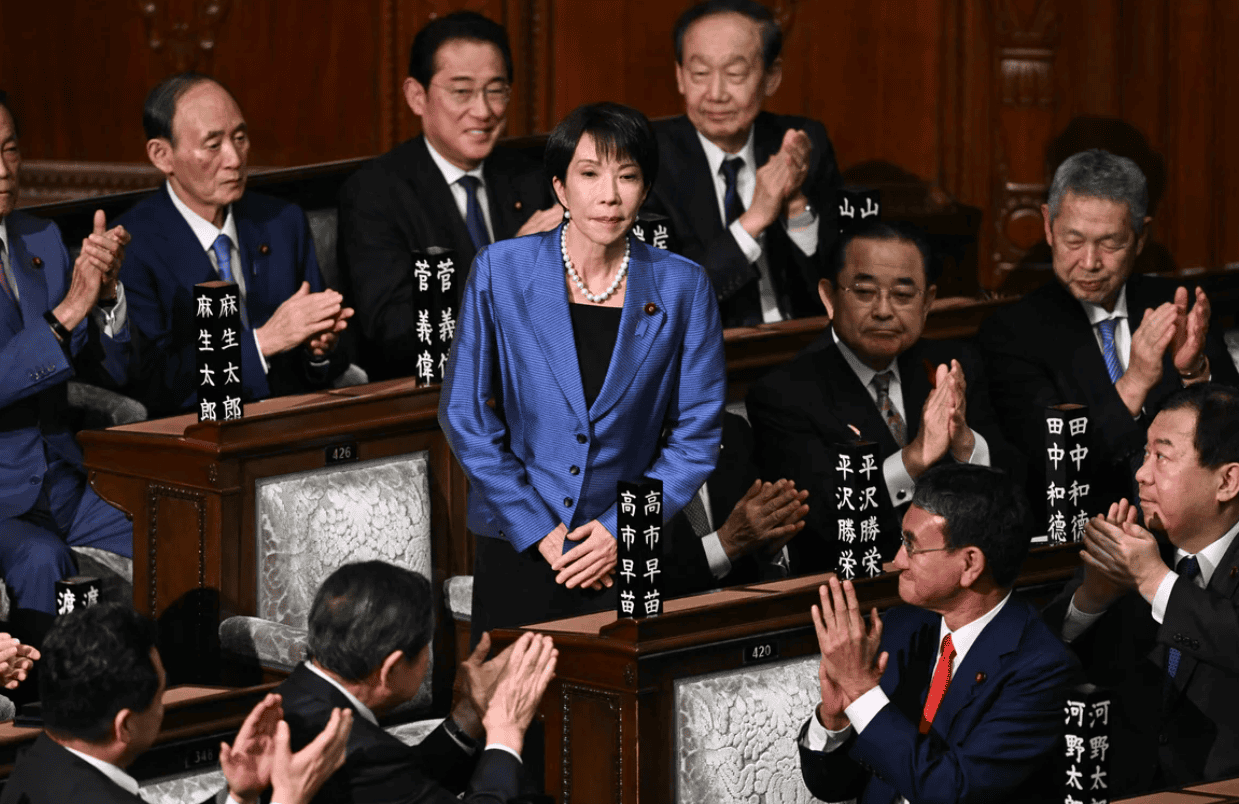
The diplomatic dispute between China and Japan has escalated since the new Japanese Prime Minister, Sanae Takaichi, made controversial remarks on Taiwan. On November 7, 2025, Takaichi told the parliament that Tokyo could intervene militarily in case of a Chinese invasion of Taiwan, which would constitute an “existential threat” to Japan.
She suggested that if an emergency on Taiwan would entail “battleships and the use of force, then that could constitute a situation threatening the survival (of Japan), any way you slice it,” which could require a military response from Japan.
Taiwan is a self-governed island that China claims as its own territory. Beijing has not ruled out the use of force to annex the island under what it calls “reunification,” staging large-scale military drills in the island’s surrounding waters.
The Taiwanese government rejects China’s sovereignty claims, maintaining that only the island’s people should decide their future.
China’s Response
The Japanese Prime Minister’s remarks have triggered anger in China, driving Beijing to summon Japan’s ambassador for the first time in two years. Moreover, the Chinese Defense Ministry said that any Japanese intervention would be “doomed to fail.”
China also issued a warning on Friday, cautioning its citizens against traveling to Japan, a popular destination for Chinese tourists.
“Recently, Japanese leaders have made blatantly provocative remarks regarding Taiwan, severely damaging the atmosphere for people-to-people exchanges,” China’s embassy in Japan said in a statement, adding that the situation presents “significant risks to the personal safety and lives of Chinese citizens in Japan.”
Then, on Saturday, three Chinese airlines (Air China, China Southern and China Eastern) said they could refund or change tickets to Japan for free through December 31.
On Sunday, the Chinese government urged citizens to “carefully reconsider” studying in Japan due to what it called “unstable security environment,” Kyodo news agency reported.
Japanese Protest
Japan protested against China’s warning against travel to the country. On Saturday, Tokyo urged Beijing to resume dialogue, according to Kyodo news agency. In the light of this, the Japanese Chief Cabinet Secretary, Minoru Kihara, said that Japan had “conveyed the message to China and strongly asked it to take appropriate actions.”
He added that the differences in views between Tokyo and Beijing make “multilayered communication” between the two governments essential.

Despite strong objection from China, Takaichi refused to withdraw her remarks on Taiwan, defending them as “consistent with the government’s traditional position.” However, she suggested she would refrain from making similar statements in the future.
Over the years, Japanese leaders have avoided publicly mentioning Taiwan while discussing military scenarios, maintaining a “strategic ambiguity” over the island, a policy adopted by the US.