On September 23, Saudi Arabia’s streets turn into a vivid manifestation of national identity and pride. On this day each year, Saudis celebrate a centuries-long story of bravery, patriotism, and unity.
While the foundation of the Saudi State dates back to 1727, the National Day marks the beginning of a modern era grounded in a unified kingdom and an aspiring nation. As this Kingdom celebrates its 96th National Day under the theme “Our Pride is in Our Nature,” four pivotal monarchs shaped this occasion with their visionary leadership.
The Unifier: King Abdulaziz Al Saud
King Abdulaziz bin Abdul Rahman Al Saud is the founder of modern Saudi Arabia. On September 23, 1932, King Abdulaziz announced the unification of Najd and Hejaz into the Kingdom of Saudi Arabia, establishing Riyadh as its capital, Arabic as its official language, and the Quran as its constitution.
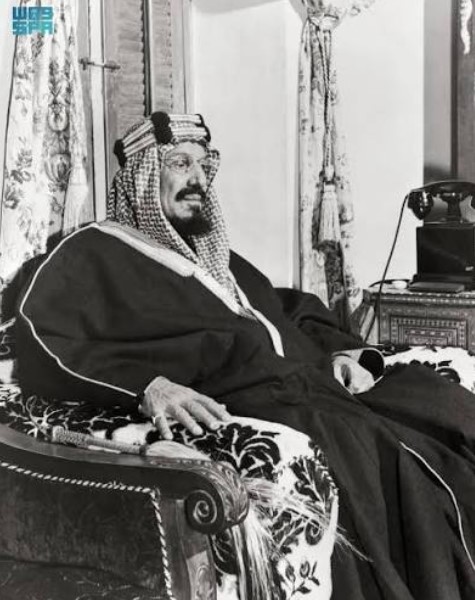
This announcement was the culmination of a three-decade campaign aimed at unifying the nation, anchored in the recapture of Riyadh in 1902, which marked a major turning point for the modern Saudi State.
Under King Abdulaziz’s prominent leadership, the Kingdom became a sovereign nation and a rising regional power recognized on the global stage.
The Proclaimer: King Faisal bin Abdulaziz
In 1965, King Faisal bin Abdulaziz Al Saud issued a royal decree formally establishing September 23 as Saudi Arabia’s official National Day, transforming the occasion from a historical memory into an annual celebration across the Kingdom.
Before taking the helm, Prince Faisal played a pivotal role in the Kingdom’s unification battles, leading several units and campaigns, including the one that led to the annexation of Aseer.
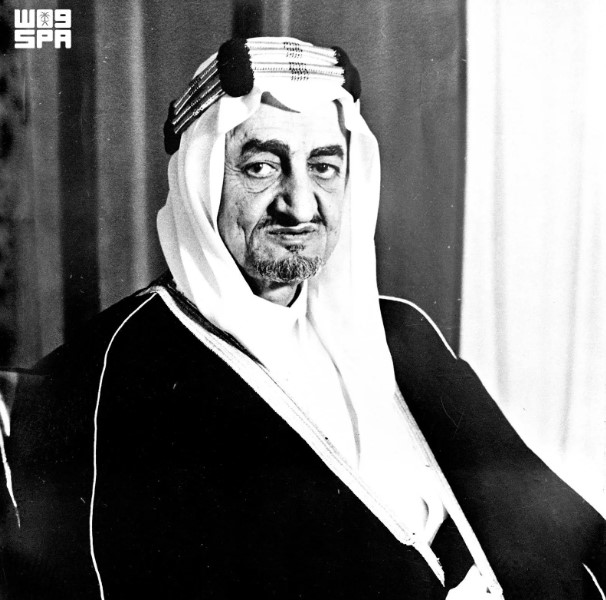
As King, he was known for his wise and firm leadership, championing Islamic and Arab solidarity. During his reign, he spearheaded the establishment of the Organization of Islamic Cooperation (OIC) in Jeddah. He solidified Saudi Arabia’s status as a leader of collective Arab action, advocating for an independent Palestinian State and supporting Egypt, Syria, and Jordan against Israel’s aggression in 1973.
The Architect: King Abdullah bin Abdulaziz
On the 75th National Day, in 2005, King Abdullah bin Abdulaziz Al Saud declared September 23 an official public holiday across all public and private sectors, allowing citizens and families across the Kingdom’s regions to celebrate the occasion.
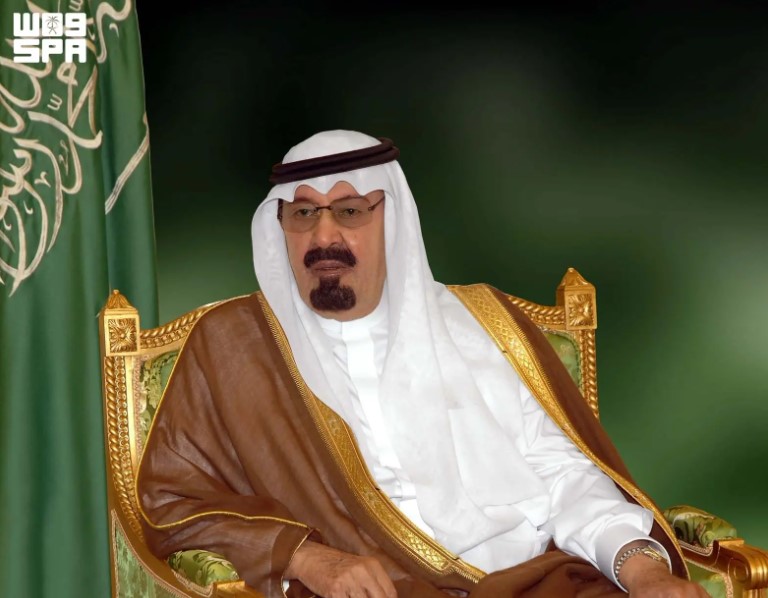
Structural modernization, social reform, major infrastructure expansion, and a strong commitment to domestic welfare and regional stability defined King Abdullah’s leadership.
He spearheaded a major transformation in higher education, founding 17 new universities to expand the Kingdom’s total to 34 public and private institutions. Moreover, he initiated the Third Saudi Expansion of the Grand Mosque in 2007 and prioritized citizen well-being and social solidarity by funding national housing projects through the King Abdullah bin Abdulaziz Foundation for Developmental Housing.
The Visionaries: King Salman & Crown Prince Mohammed bin Salman
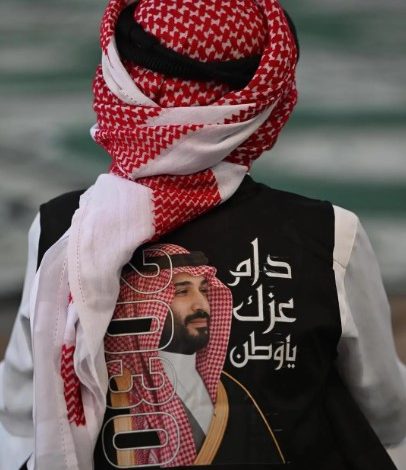
The Custodian of the Two Holy Mosques, King Salman bin Abdulaziz Al Saud, and the Crown Prince and Prime Minister, Mohammed bin Salman, heralded a new era for the National Day, anchored in modern transformation and futuristic visions.
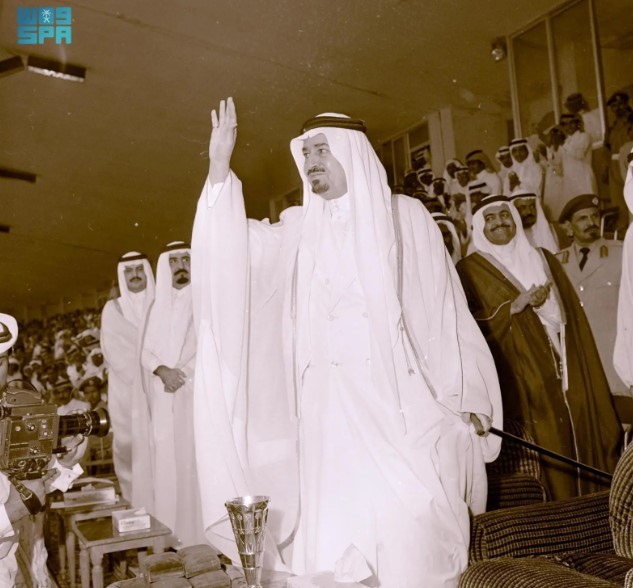
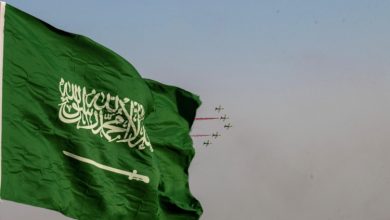
With the launch of Vision 2030, the National Day has become a celebration of global leadership, mega-projects, innovation, and scientific progress. Since 2015, the Kingdom has marked the day with nationwide festivities, featuring aerial displays, naval shows, and parades. Each year, the General Entertainment Authority (GEA) launches identity themes that reflect the Kingdom’s ambitious milestones.
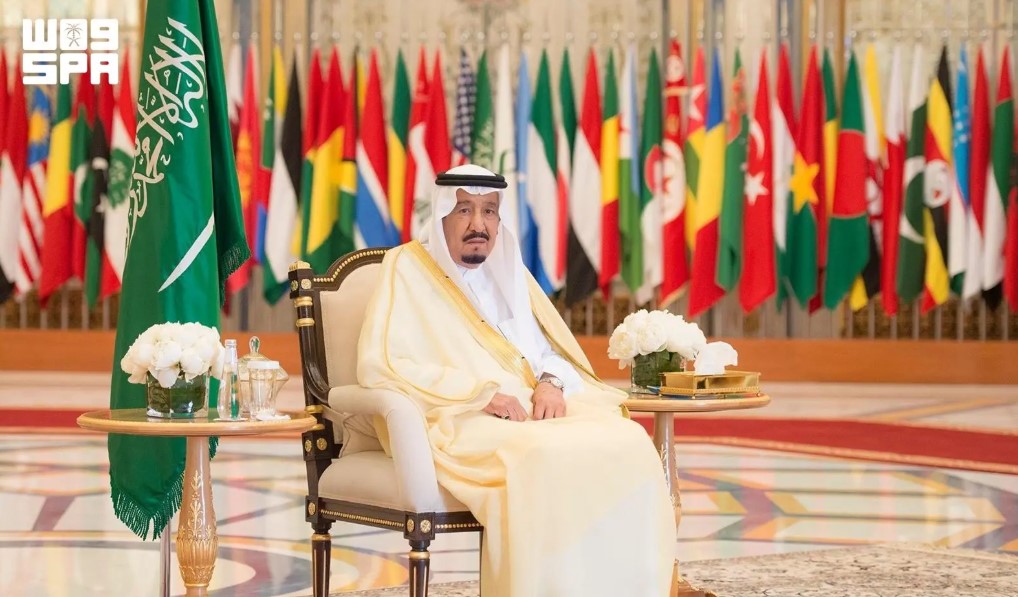
The era of King Salman and Crown Prince Mohammed bin Salman is defined by a monumental transformation centered on administrative efficiency, social reform, and economic diversification, connecting the unification of 1932 to world-stage prominence.
Major diplomatic, economic, and global achievements reflect this momentum – from securing World Expo 2030 and hosting the 2034 FIFA World Cup to leading regional security initiatives like the Makkah Joint Defense Agreement. Supported by top global rankings in GovTech maturity, competitiveness, and humanitarian relief, these milestones demonstrate how Vision 2030 has reshaped the nation’s trajectory.
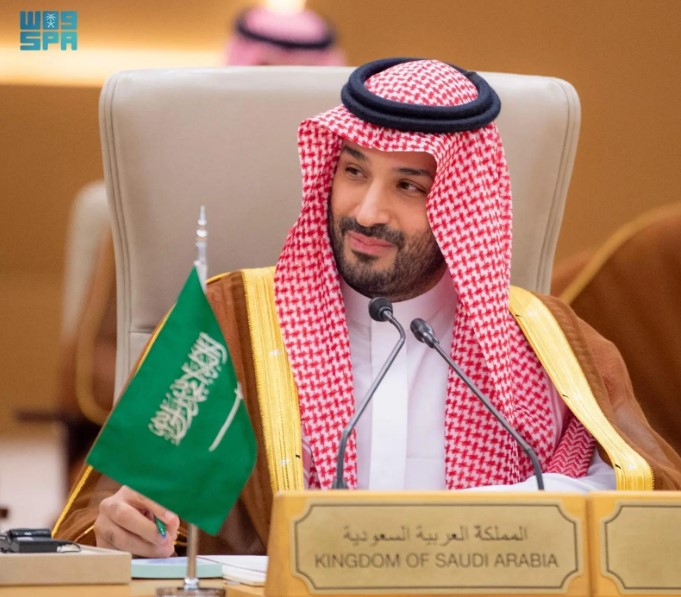
From Riyadh, where King Abdulaziz first began the journey of unification, to today’s global leadership across technology, culture, and diplomacy, Saudi Arabia marks its National Day by honoring its founding legacy while advancing boldly into the future.