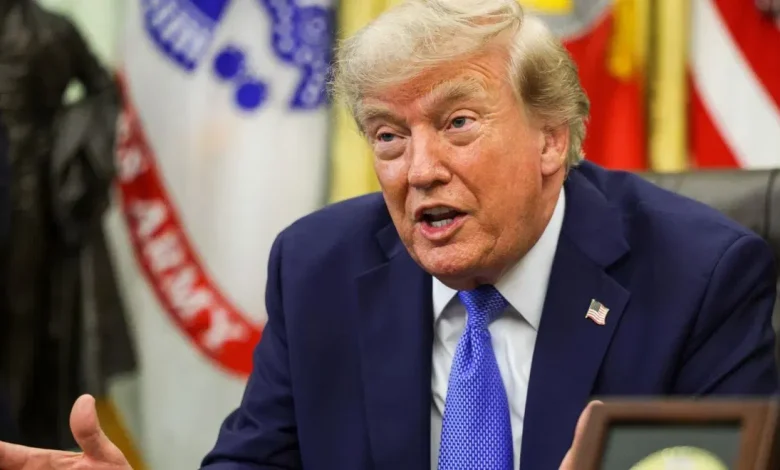
US President Donald Trump announced on Friday a major diplomatic shift regarding Middle Eastern maritime security. He stated officially that international authorities will reopen the Strait of Hormuz “soon” following intense negotiations.
Furthermore, Trump projected a swift conclusion to the regional conflict, declaring that the war will stop “very, very soon.” He emphasized that Iran lacks the long-term stamina to sustain ongoing military hostilities against international coalition forces. Consequently, American domestic energy prices will drop significantly once commercial shipping channels reopen safely across the wider Gulf region.
Diplomatic Breakthrough at Hormuz
Why it matters: The Strait of Hormuz functions as the primary choke point for global crude oil and natural gas shipments. The prolonged conflict and closure severely disrupted international supply chains and inflated consumer fuel prices worldwide. Therefore, any verified agreement to restore commercial navigation directly impacts global economic stability and regional security. Trump explicitly highlighted his direct personal participation in these delicate diplomatic talks with senior regional leaders. He affirmed that current negotiations “are going very well.”
Between the lines: Trump’s optimistic statements follow significant diplomatic movements in Muscat over recent days. Specifically, high-ranking Iranian officials forged a preliminary bilateral understanding with Oman regarding a novel navigation pathway for commercial vessels. However, Iranian sources clarified that the practical execution of any deal depends entirely on Washington’s posture. Iranian coastal ports still face a stringent military blockade, which severely restricts national commercial exports. Thus, Tehran conditions regional maritime progress directly on American sanctions relief and naval pullbacks.
Targeting Illicit Financial Networks
Meanwhile, Washington simultaneously intensifies its economic and financial offensive against Tehran across multiple key fronts. The US Department of State revealed that the Department of the Treasury deployed new financial penalties today. This enforcement package targets an extensive covert network of currency exchange houses and foreign front companies. Consequently, Washington actively blocks Tehran’s secret access to major international banking institutions and global currency markets. US officials stated that this intervention successfully deprives Tehran of vital foreign hard capital reserves.
Regional Impact
The big picture: US authorities accuse this financial web of facilitating massive capital transfers for the Iranian regime. Specifically, the network helped Tehran move hundreds of millions of dollars in illicit oil revenues cross-border secretly. These shadow entities employed covert front companies and complex financial mechanisms to launder funds undetected. Ultimately, Washington seeks to deprive Tehran of vital capital. This funding sustains its regional military activities and partner militias. Federal regulators continue monitoring similar illicit financial channels worldwide.
The US State Department emphasized that this aggressive enforcement forms an essential pillar of the renewed “maximum pressure” strategy. Consequently, Washington pursues a clear dual-track policy toward the Iranian leadership. It engages in delicate diplomatic channels regarding vital shipping lanes while aggressively dismantling Tehran’s shadow financial networks. This combined strategy aims to compel Tehran into broader strategic concessions.
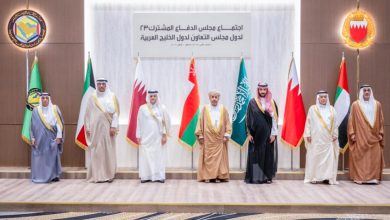
The six Gulf Cooperation Council states monitor these critical dual developments with profound strategic interest. Regional stability requires both secure maritime passages and effective containment of illegal capital flows. Furthermore, Oman’s crucial role highlights Muscat’s historical diplomatic position as a trusted regional mediator. By structuring alternative shipping pathways, Oman offers a pragmatic diplomatic exit from escalating regional confrontation and maritime blockades.
Market Outlook
However, market analysts urge caution until merchant ships navigate the Strait without external interference. Energy traders remain vigilant, recognizing that geopolitical volatility often disrupts fragile security agreements unexpectedly. Nevertheless, a verified reopening of the Strait of Hormuz would alleviate supply bottlenecks, reduce maritime insurance premiums, and bring welcome relief. Consequently, clear, sustained diplomatic and security progress in the Strait remains key to long-term economic stability.
What’s next: Officials on all sides describe the coming days as pivotal, so markets are watching closely for a breakthrough. Oil prices have already eased on hopes of a resolution, and a full Hormuz reopening would likely accelerate that trend. Nevertheless, uncertainty remains: Tehran’s insistence that the strait will not open “automatically,” combined with continued Houthi attacks on Gulf shipping elsewhere, means the situation could still shift quickly in either direction.
For Gulf economies that depend on stable shipping lanes and predictable energy markets, the outcome of these talks matters more than most.