
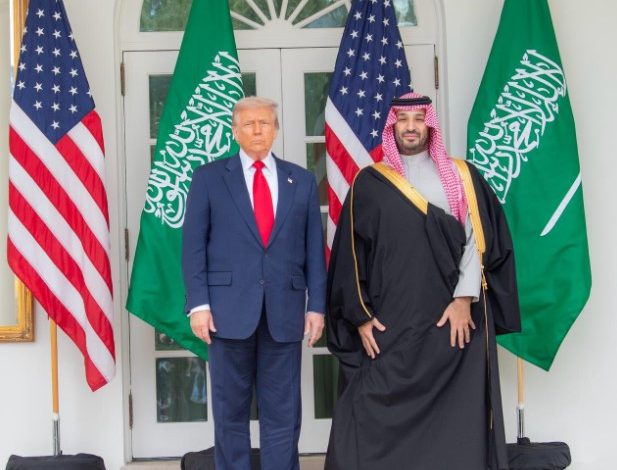
Saudi Crown Prince and Prime Minister Mohammed bin Salman and US President Donald Trump discussed the latest regional developments, focusing on security and maritime navigation.
The high-level communications underscore Saudi Arabia’s central position as the anchor of regional stability and the proactive diplomatic coordinator of the Middle East.
Saudi-US Talks
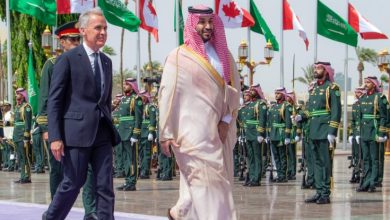
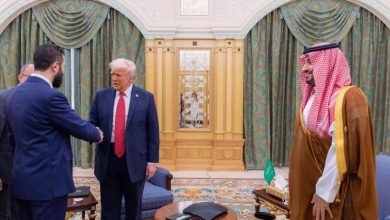
Crown Prince Mohammed bin Salman received a phone call from Trump on Friday, during which the two leaders reviewed Saudi-US cooperation and explored avenues to strengthen it across various fields, reported the Saudi Press Agency (SPA).
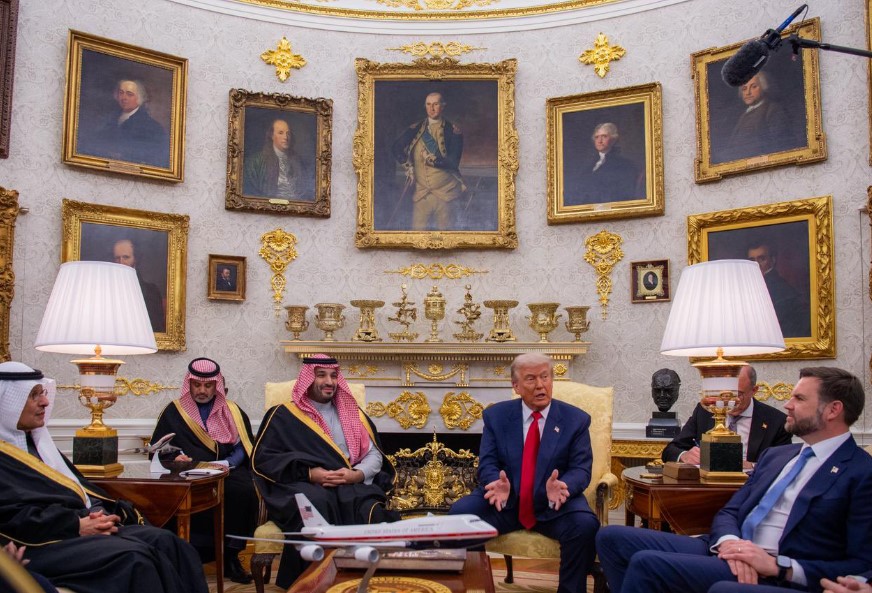
State of Play: The phone conversation follows a series of diplomatic communications between senior Saudi and US officials. Saudi Foreign Minister Prince Faisal bin Farhan held a phone call with US Secretary of State Marco Rubio on Friday. Their discussions focused on highlighting the importance of close coordination to promote regional security and stability.
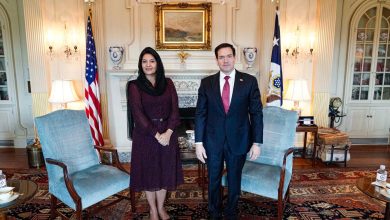
Earlier: Rubio met with Saudi Arabia’s Ambassador to the US Princess Reema Bandar Al Saud. During their meeting, they discussed the recent regional developments and the strong, enduring partnership between the Kingdom and the US. The two officials expressed their aspirations for continued cooperation to advance shared priorities.
Navigating Regional Challenges
The discussions between the Saudi Crown Prince and the US President focused on the latest developments in the region, in light of the ongoing talks between Washington and Tehran to reach a final peace agreement that ends their conflict.
Go Deeper: During their call, Crown Prince Mohammed bin Salman and Trump stressed the importance of ensuring maritime navigation security, protecting sea lanes, and supporting efforts that contribute to regional security and stability.
Backstory: Iran attacked three vessels transiting the Strait of Hormuz, including Saudi tanker “Wedyan” and Qatari tanker “Al-Rekayyat.” Saudi Arabia condemned these “reprehensible” Iranian attacks, stating they constitute an assault on the security and safety of international navigation and on the security of global energy supplies.
The Hormuz Flashpoint
The Strait of Hormuz – a critical maritime corridor through which a fifth of global oil and gas supplies pass – has been one of the major sticking points in the US-Iran talks, with sporadic clashes erupting over the waterway. Iran seeks to have full control over the waterway and impose permanent shipping tolls.
The Impact: In response to Iranian attacks on commercial vessels, the US military conducted two rounds of strikes aimed at degrading Iran’s ability to attack commercial shipping in the Strait of Hormuz. Tehran retaliated by launching drone and missile attacks against targets in Bahrain, Kuwait and Jordan.
Iranian actions prompted Trump to declare the ceasefire signed in mid-June over, though he said later that Washington agreed to continue talks with Iran.
Prioritizing Regional Stability
Riyadh has been a strong advocate for regional security and stability. Since the outbreak of the conflict in late February 2026, Saudi Arabia has called for restraint, de-escalation, and the protection of maritime navigation.
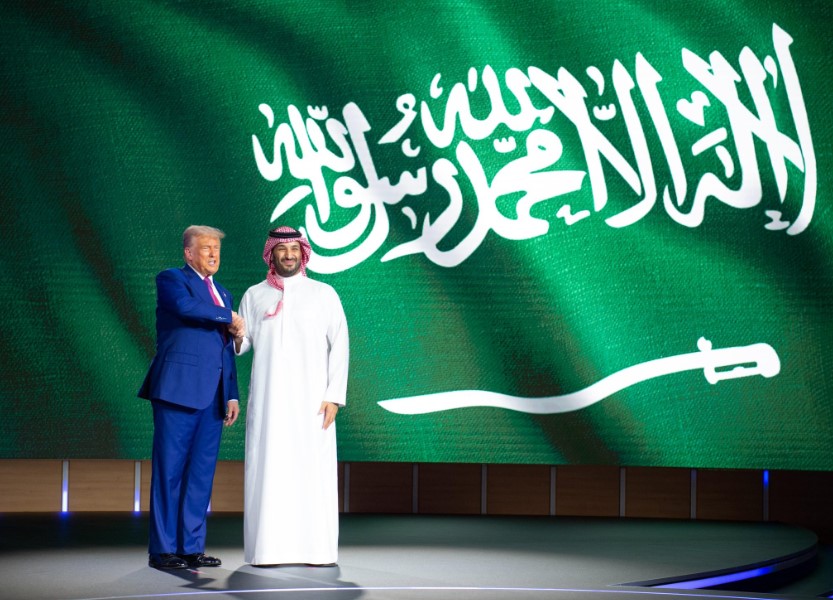
The Kingdom has been an active diplomatic player in supporting mediation efforts led by Pakistan, urging for dialogue to reach a peaceful solution for the conflict. Saudi Arabia played a supportive role during the US-Iran talks, encouraging both parties to focus on the diplomatic track to bridge the gaps.
Between The Lines: As an anchor of regional stability, Saudi Arabia has consistently stressed that any peace deal between the US and Iran must address the broader regional security concerns and take the Gulf’s security and sovereign interests into account.
The Saudi Crown Prince has spearheaded active communications with key regional capitals to prevent further escalations and coordinate a unified position to resolve the conflict while safeguarding the interests of the Gulf and Arab countries.
The Context: Following the eruption of the US-Iran conflict, Gulf States came under direct Iranian missile and drone strikes targeting civilian infrastructure, including commercial ports, airports, desalination plants, and energy facilities, despite pursuing diplomatic de-escalation.
An Enduring Alliance in Times of Crisis
Saudi Arabia and the US have maintained a robust strategic partnership for over 8 decades. This strategic alliance remains the primary anchor for regional stability during times of crisis.
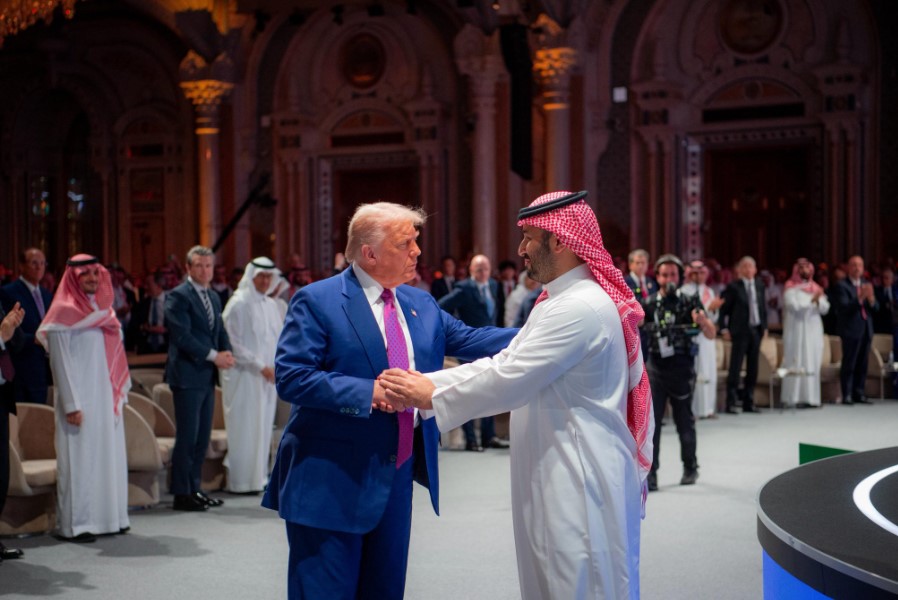
The US has repeatedly reassured Saudi Arabia and Gulf allies of its unwavering commitment to their security and sovereignty, reiterating full alignment with Gulf partners on regional security.
The Bottom Line: Given Riyadh’s centrality as a regional leader that can unify and coordinate the wider Arab and Islamic worlds, Washington recognizes that a lasting security architecture for the Middle East invariably depends on the diplomatic weight, regional consensus, and sovereign leadership of Saudi Arabia.