

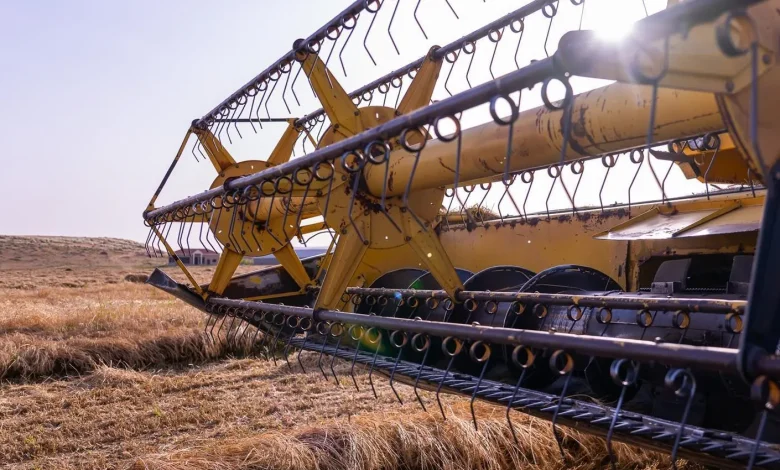
Wheat remains one of the most critical strategic crops globally, serving as a fundamental pillar of food security and the industrial food sector. Within Qassim Region, wheat production receives significant priority under national agricultural development plans aimed at achieving food sustainability. In recent years, the local agricultural sector has witnessed remarkable advancements in farming, production, and storage technologies, positioning the region as a vital contributor to the Kingdom’s strategic food reserves.
The annual wheat harvest season reflects the extensive coordination between government agencies and local farmers to enhance domestic production and meet the market demand for high-quality grains. As a primary source for the production of flour, bread, and various food industries, wheat plays a crucial role in supporting rural development and providing employment opportunities within the agricultural sector. Additionally, Qassim Region has achieved consistently high production rates as part of the Kingdom’s broader plans to enhance self-sufficiency.

Typically, the planting phase begins in November and December to take advantage of moderate temperatures and improved seed varieties, while the harvest is carried out from April through June, depending on regional climatic conditions.
Wheat Harvest Season
The continued support for the agricultural sector is evidenced by the provision of high-yield seeds, the expansion of modern irrigation systems, and the construction of advanced silos and storage facilities. Moreover, these efforts are part of a proactive strategy to address global challenges such as climate change, rising production costs, and limited water resources by developing drought-resistant varieties and improving water management.
Ultimately, the wheat harvest season in Qassim serves as a model for the Kingdom’s agricultural transformation, aligning directly with the objectives of Saudi Vision 2030, which prioritizes the development of strategic crops to support food security and strengthen the national economy. Finally, through these sustained efforts, the Kingdom continues to build a resilient, sustainable agricultural future for the land’s guests and citizens.
Related Topics :
Saudi National Day: Traditional Dishes at the Heart of Celebrations
Jazan Municipality Launches Investment Opportunities in Jazan
Bad Weather, War Raise Concerns about Global Wheat Supplies