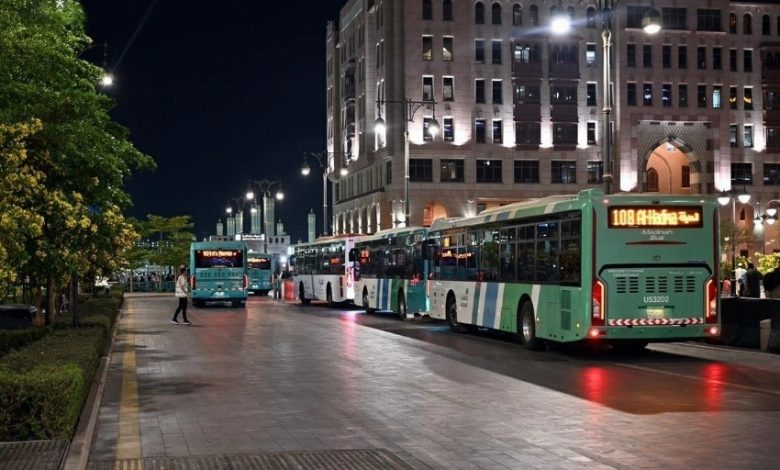
The Madinah Region Development Authority announced on Thursday a massive surge in the popularity of its specialized shuttle bus network. During the holy month of Ramadan, more than 3.6 million beneficiaries utilized these efficient transport services to reach the Prophet’s Mosque.
This impressive figure represents a staggering 125% increase in passenger numbers compared to the previous year’s operational data. Consequently, the authority deployed a robust fleet of over 250 modern buses to handle the unprecedented demand from visitors. This strategic expansion significantly improved mobility efficiency across the holy city during the peak spiritual season of the Islamic year.
Expanding the Network for Vision 2030
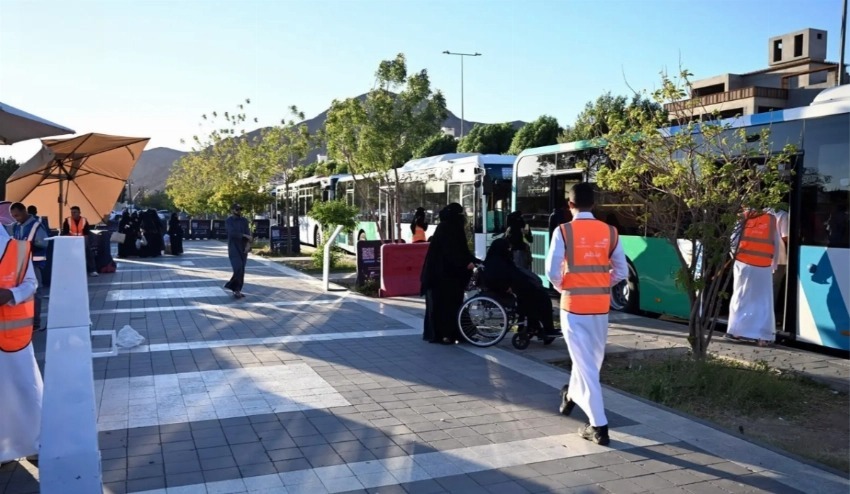
To accommodate this growth, the transport network successfully completed more than 70,000 individual trips throughout the entire holy month. Furthermore, the authority recently integrated nine new routes into the existing system, bringing the total number of active lines to 15. These routes now connect 455 dedicated stations, ensuring that pilgrims from every corner of Madinah enjoy seamless access.
The Madinah Bus project aligns perfectly with the Saudi Vision 2030 goals to enrich the overall experience for pilgrims. Officials also updated all bus station locations on Google Maps to provide real-time movement updates and estimated arrival times. These digital enhancements help worshippers save valuable time while navigating the city during the crowded final ten days of Ramadan.
Future Plans for Sustainable Transport
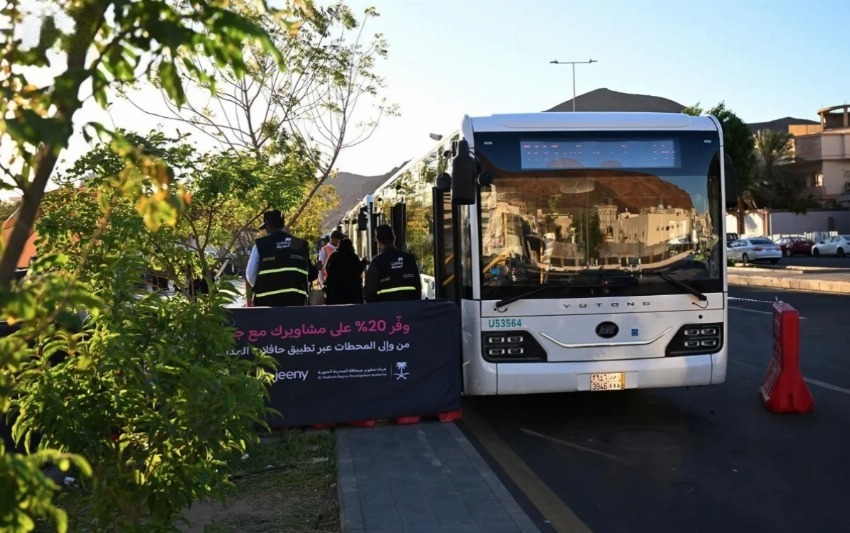
The authority continues to refine the public transport system to match the rising influx of international and domestic visitors. New initiatives include the gradual introduction of eco-friendly electric buses to reduce carbon emissions and preserve the local environment. Dedicated shuttle paths now ensure faster travel times between major residential districts and the central area surrounding the Prophet’s Mosque.
Looking ahead, the development authority remains committed to providing world-class logistical solutions that prioritize the safety of every guest. By reducing reliance on private vehicles, the city effectively manages traffic congestion while fostering a more pedestrian-friendly urban atmosphere. This comprehensive transport strategy will eventually support the Kingdom’s goal of hosting 30 million Umrah pilgrims annually by 2030.