
194 Countries, One Stage: Riyadh Set to Lead Global AI Ethics Debate in Sept
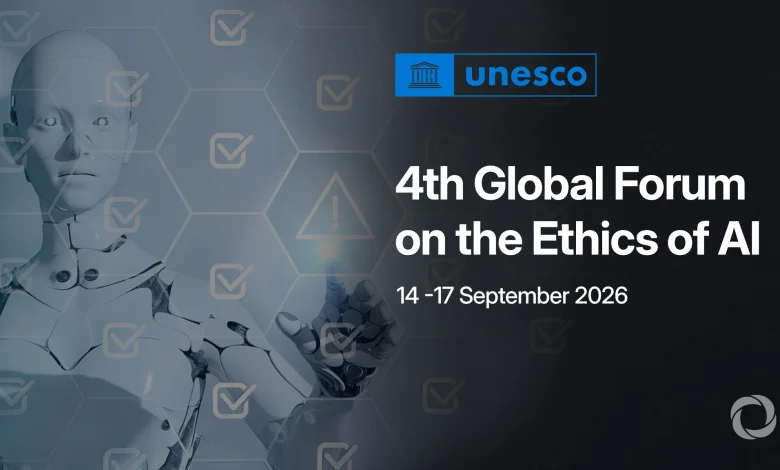
Riyadh will host more than 100 international speakers and representatives from 194 countries at the fourth UNESCO Global Forum on the Ethics of Artificial Intelligence (GFEAI) from 14-17 September, 2026, marking Saudi Arabia’s debut as the first Arab country to stage the event. Representatives from international organizations and private sector leaders will also join the four-day gathering. The Saudi Data and Artificial Intelligence Authority (SDAIA) organizes the event alongside UNESCO. Additionally, the International Center for AI Research and Ethics (ICAIRE) collaborates on this global conference.
Why it matters: The forum lands as Saudi Arabia races to become a global AI hub, backing that ambition with tens of billions of dollars in investment and a national “Year of AI” campaign.
The forum promotes international dialogue on responsible technology governance and societal prosperity. Delegates will explore practical ways to harness artificial intelligence for sustainable development goals. International experts will discuss legal frameworks, accountability, and human rights considerations. However, global leaders must also address digital inequality and ensure fair access to advanced technological tools.
The big picture: Saudi Arabia actively shapes international digital standards while pursuing its Vision 2030 transformation goals. Furthermore, Saudi Arabia designated 2026 as the national Year of Artificial Intelligence. SDAIA also organizes the 4th Global AI Summit under the patronage of Crown Prince Mohammed bin Salman. Therefore, these simultaneous international gatherings position Riyadh as a premier global hub for technology leadership. Participants will address key themes including capacity building, digital well-being, and neural data privacy. Additionally, specialized workshops will focus on institutional readiness, cultural diversity, and AI diplomacy across government sectors. Moreover, Saudi Arabia launched several initiatives to accelerate clean energy computing and sustainable technology infrastructure. Consequently, state agencies integrate artificial intelligence solutions into public administration, healthcare services, and educational programs.
What’s on the Agenda
Sessions and specialist workshops will address:
- AI, multilateralism and diplomacy.
- AI-readiness assessments and institutional capacity-building in government.
- International cooperation and accountability.
- Mental health and digital well-being.
- The environment and energy.
- Inclusion, accessibility and access to justice.
- Cultural and linguistic diversity.
- Privacy and neural data.
- Education and science.
- Culture, museums and the future of work.
- The role of civil society and academia in shaping AI ethics and policy.
The program will combine high-level sessions with practical workshops for experts and policymakers from around the world.
Saudi Arabia’s Strategic AI Vision and Achievements
Between the lines: The Kingdom rapidly expands its national artificial intelligence capabilities through strategic policy frameworks and heavy investments. Specifically, SDAIA established ICAIRE as a UNESCO Category 2 Center headquartered in Riyadh. This center advances international policy research, ethical standards, and multilateral technical cooperation. However, Saudi leaders recognize that ethical progress requires robust physical and technological infrastructure.
Consequently, Saudi Arabia leads the region in sovereign compute capacity, cloud data centers, and Arabic foundation models. Furthermore, local institutions drive digital innovation across healthcare, financial services, energy, and smart urban infrastructure. For example, SDAIA developed ALAi and generative artificial intelligence platforms tailored for Arabic natural language processing. Additionally, international tech giants establish regional headquarters and data hubs across Riyadh to expand cloud offerings.
Key Milestones and Financial Commitments
By the numbers:
- SAR 150 billion ($40 billion): The Public Investment Fund created a dedicated global artificial intelligence investment fund.
- SAR 75 billion ($20 billion): The National Strategy for Data and AI targets direct national technology investments by 2030.
- SAR 56 billion ($15 billion): The Kingdom projects substantial macroeconomic contributions from AI to national gross domestic product.
- 194 countries: Official delegates from 194 participating nations will attend the UNESCO ethics summit in Riyadh.
- Over 100 international speakers: Prominent experts will lead high-level policy panels and technical workshops during the event.
- Top 15 global ranking: Saudi Arabia aims to secure a top 15 position in global AI rankings by 2030.
- 20,000 specialists: The Kingdom plans to train 20,000 national data and artificial intelligence experts by 2030.
- 40% workforce training: National programs target training 40 percent of the local workforce in basic data skills.
What’s next: Saudi Arabia continuously invites international experts, policymakers, and innovators to join global AI governance efforts. Interested delegates can register on the official website to participate in Riyadh. Furthermore, the digital platform features the complete event schedule, keynote speakers, and ongoing policy updates. Additionally, international partners can access exclusive research materials and policy guidelines through the portal. Ultimately, the Kingdom strengthens its commitment to trustworthy, ethical, and inclusive technological progress for all humanity. In conclusion, Saudi Arabia empowers ethical technology worldwide.