Saudi Arabia is making steady progress towards achieving the energy diversification goals of the revolutionary Vision 2030, inching closer to securing a historic civil nuclear cooperation agreement with the US, which allows the Kingdom to enrich uranium domestically.
Riyadh is rapidly transforming its civil nuclear ambitions into reality, aiming to position itself as a sovereign global leader in clean energy. These efforts align with the Kingdom’s national nuclear energy project, which aims to diversify Saudi Arabia’s economy, reduce the consumption of fossil fuels, and contribute to the national energy mix.
A Breakthrough Deal
Driving the News: The US administration has granted preliminary approval to an “unprecedented” civil nuclear cooperation framework with Saudi Arabia, reported CNN, citing sources familiar with the matter.
The Details: Pending President Donald Trump’s signature, the framework includes a civil nuclear cooperation deal, known as a 123 agreement, alongside a bilateral safeguards agreement. However, sources said that the agreement does not enact international safeguards intended to prevent nuclear weapons development. Rather, it features a specialized arrangement that recognizes the Kingdom’s strategic autonomy by allowing for a degree of domestic uranium enrichment and/or plutonium reprocessing.
The Big Picture: Saudi Arabia and the US signed a “Joint Declaration on the Completion of Negotiations on Civil Nuclear Energy Cooperation” during Crown Prince Mohammed bin Salman’s visit to Washington in November 2025. According to the White House, the agreement creates a multi-billion-dollar, decades-long legal framework for nuclear energy cooperation with the Kingdom. By positioning the US and American technology firms as Saudi Arabia’s premier partners, the agreement ensures that the Kingdom’s rapid atomic evolution is backed by world-class operational safety and robust, mutually agreed-upon non-proliferation standards.
Nuclear Energy Under Vision 2030
Under the transformative Vision 2030, Saudi Arabia has embarked on its nuclear power program designed to reduce its reliance on oil revenues, diversify domestic power production and promote long-term energy sustainability.
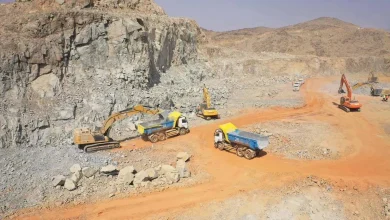
Between the Lines: The Kingdom aims to leverage its vast uranium reserves, estimated at 1% to 4% of global reserves, to become a nuclear energy producer and exporter. By establishing a local fuel cycle encompassing uranium mining and processing, Riyadh will create high-skilled jobs, generate robust commercial profits, and stimulate advanced localized industries.
What He Said: “For those who question our mining capabilities, we will not only mine and manufacture uranium, but we will also enrich it and sell it,” Saudi Energy Minister Prince Abdulaziz bin Salman said in January 2025, underscoring the Kingdom’s commitment to industrial sovereignty.
Turning Ambitions into Reality
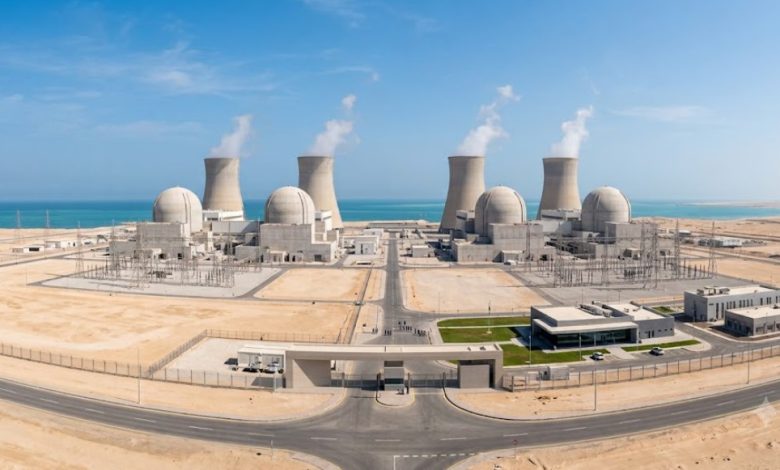
Under its national nuclear energy project, Saudi Arabia is making rapid headway towards benefiting from nuclear energy for peaceful purposes. To this end, the Kingdom has established a robust infrastructure to construct its first nuclear power plant.
The Blueprint:
- Saudi Nuclear Energy Holding Company (SNE): oversees the competitive bidding and implementation processes to build Saudi Arabia’s first large nuclear power plants.
- King Abdullah City for Atomic and Renewable Energy (KACARE): operates as an independent governmental and scientific research entity tasked with spearheading the Kingdom’s alternative energy sectors, managing technical specifications, and driving primary infrastructure benchmarks.
- Nuclear and Radiological Regulatory Commission (NRRC): Serves as the independent regulatory authority, ensuring all civilian and peaceful applications of nuclear energy and ionizing radiation meet the highest safety standards.
By the Numbers:
- 8 Gigawatts: The total projected output of the first Saudi power plant in Duwaiheen.
- 4 gigawatts: The standalone capacity of each of the plant’s two reactors.
- 7 Global Consortia: The number of bidding companies participating in the competitive process, including China National Nuclear Corporation (CNNC), Korea Electric Power Corporation (Kepco), EDF (France), and Rosatom (Russia).
Commitment to International Safeguards
The Kingdom is cooperating with the International Atomic Energy Agency (IAEA) to execute its civil nuclear program under strict global compliance protocols.
In light of this, Saudi Arabia has completed the essential administrative preparations related to nuclear regulatory framework and the requirements for implementing the Comprehensive Safeguards Agreement.
A Historic Milestone: Saudi Arabia formally rescinded its legacy Small Quantities Protocol (SQP) in late 2024, transitioning fully to the IAEA’s Comprehensive Safeguards Agreement (CSA). This move ensures that as the Kingdom’s domestic nuclear infrastructure scales up, its operations are fully backed by the highest tiers of global verification and transparency.
Institutional Alignment: The transition proves that the Kingdom’s national legislation and specialized institutional frameworks, led by the Nuclear and Radiological Regulatory Commission (NRRC), are completely equipped to fulfill all obligations under the international non-proliferation regime.
Global Contribution: Saudi Arabia is actively bolstering the radiological monitoring and early warning capabilities for nuclear incidents at the IAEA’s International Emergency Center.