US-Iran Talks to Begin in Switzerland Alongside Pakistani, Qatari Mediators
US and Iranian negotiators have landed in Switzerland ahead of a new round of talks focusing on Tehran’s nuclear program and the ceasefire in Lebanon.
The talks – set to kick off on Sunday with the participation of Pakistani and Qatari mediators – come amid rising tensions as Hezbollah and Israel exchange intense fire in Lebanon, a dangerous escalation that has prompted Iran to announce the closure of the Strait of Hormuz.
Negotiators Arrive in Switzerland
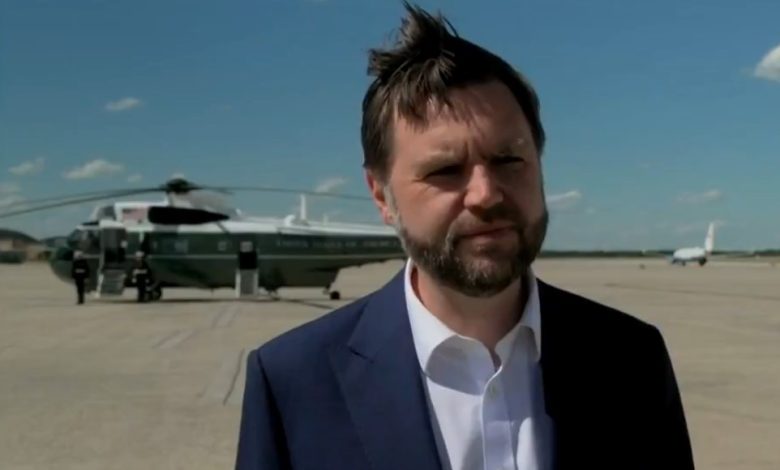
US Vice President JD Vance arrived Sunday morning at Emmen Air Base outside Lucerne, Switzerland, reported Reuters. He will join President Donald Trump’s envoys Steve Witkoff and Jared Kushner who are already there.
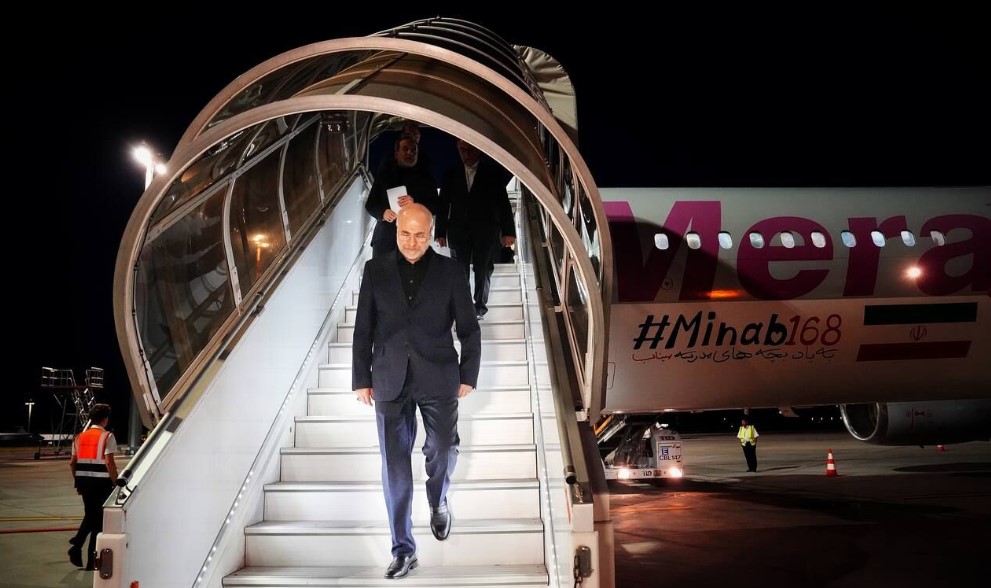
The Iranian delegation arrived late Saturday, including Parliament Speaker Mohammad Bagher Qalibaf, Foreign Minister Abbas Araghchi, and senior security, central bank and oil officials, to take part in the talks.
Meanwhile, Pakistan’s Prime Minister Shehbaz Sharif and Army Chief Asim Munir have departed to join the talks in the Swiss Bürgenstock resort, which will also involve a high-level delegation from Qatar, according to a statement by the Pakistani Foreign Ministry.
US-Iran Peace Talks
Trump and Iranian President Masoud Pezeshkian on Wednesday signed a preliminary deal that halted fighting and started a 60-day negotiation period to discuss broader issues and reach a permanent peace agreement.
The Pakistani Foreign Ministry said that the talks mark the first formal engagement since the signing of the deal, underscoring its commitment to advancing the implementation of the understandings reached between the US and Iran.
Before departing to Switzerland, Vance said that the first round of talks will focus on the nuclear issue and the situation in Lebanon.
“I’m looking forward to starting the technical talks with the Iranians, the Pakistanis, and the Qataris… We’re going to hopefully make progress on the nuclear issue, make progress on the Lebanon ceasefire issue — those are the two big things that I think we’re going to be focused on,” he said.
As for Iran, Foreign Ministry Spokesperson Esmaeil Baqaei noted that the Iranian delegation’s trip to Switzerland aims to pursue accountability and follow up on the implementation of the US commitments.
“The main criterion for evaluating any agreement is its implementation phase. Given our experience with the other side’s broken promises, we naturally must be very firm and serious in demanding compliance at the time of implementation,” he said, as quoted by IRNA.
Lebanon & Hormuz Conundrum
The recently signed memorandum of understanding (MoU) between the US and Iran states that Washington and Tehran “declare the immediate and permanent termination of military operations on all fronts, including in Lebanon.”
Furthermore, the MoU says that the US will remove its naval blockade on Iranian ports, while Iran will open the Strait of Hormuz to commercial shipping with no charge.
However, renewed clashes between Hezbollah and Israel have put the deal at risk. Israel‘s deadly strikes in Lebanon postponed Switzerland talks on Friday. Despite the US announcing a renewed ceasefire in Lebanon later that day, fighting reignited on Saturday, with each party accusing the other of truce violation.
As a result, Iran’s Khatam al-Anbiya Central Headquarters announced the closure of the Strait of Hormuz to traffic “over the US failure to implement the first clause of the MoU to end the war.”
US Pushback
US Central Command (CENTCOM) said that safe passage continued through the Strait of Hormuz on Saturday. “55 merchant ships transited, moving large amounts of cargo and more than 17 million barrels of oil to global markets,” it said in a statement.
“US forces remain present and vigilant to ensure all aspects of the agreement with Iran are adhered to, obeyed, and in full force and effect,” it confirmed.
Speaking to Fox News before leaving to Switzerland, Vance said he had seen no evidence that the Strait of Hormuz was closed, expressing confidence that the ceasefire would hold.
Meanwhile, Trump emphasized that no toll will be charged in the waterway, either during the ceasefire period or after it. “There will be NO TOLLS in the Hormuz Strait for 60 days during the Cease Fire Period, and there will be NO TOLLS after the 60 day period has expired, unless they are imposed by and for the United States of America, should the deal not be completed,” he wrote on Truth Social.