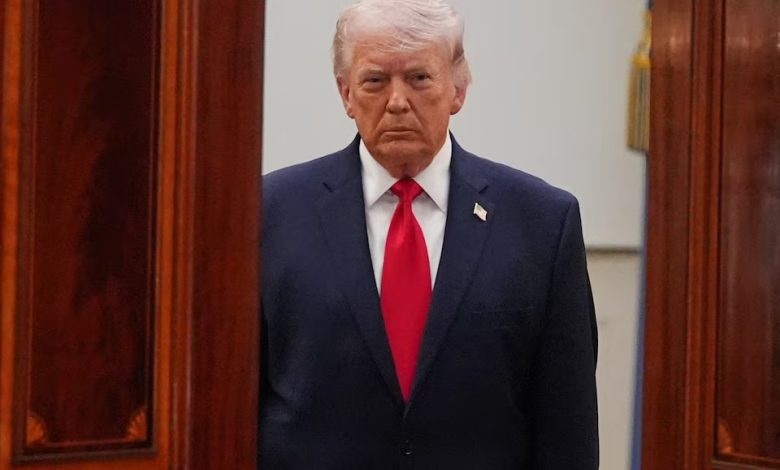
Hopes for a swift resolution to the Middle East war faded on Thursday following a defiant address by President Donald Trump, as he promised more aggressive strikes against Iran, pushing global oil prices back above the $100 per barrel mark today.
Investors reacted sharply to the news because the White House failed to offer a specific timeline for ending the hostilities. Benchmark Brent crude prices surged by 7.5% to exceed $108 per barrel as concerns mounted over the Strait of Hormuz.
“We’re going to hit them extremely hard over the next two to three weeks. We’re going to bring them back to the Stone Ages where they belong,” Trump stated during his Wednesday evening prime-time speech.
Furthermore, Trump suggested the war could escalate significantly if Iranian leaders refuse to accept Washington’s terms during ongoing diplomatic negotiations. This rhetoric triggered an immediate response from Tehran’s military leadership, which warned of “more crushing, broader and more destructive” attacks.
Economic Strains Spread Across Global Bourses
The uncertainty fueled a massive sell-off in global equities, with US index futures dropping 1.3% and European futures sinking 2%. Consequently, almost all Asian bourses closed in the red, reflecting deep-seated fears regarding prolonged energy shortages and rising inflation.
“If he (Trump) was trying to inspire confidence in the markets, he has not done that,” remarked Russel Chesler, Head of Investments at VanEck Australia. He noted that the primary question in the minds of all global investors remains, “When is this going to be over?”
Diplomatic Standoff Deepens
While the US claims it is “systematically dismantling the regime’s ability to threaten America,” the human and economic costs continue rising. Thousands have died since February 28, yet a senior Iranian source told Reuters that Tehran still demands a guaranteed ceasefire.
Meanwhile, the International Monetary Fund and World Bank warned that the war produces “substantial, global and highly asymmetric” economic effects. Although Vice President JD Vance communicated with Pakistani intermediaries on Tuesday, no official confirmation exists regarding a formal peace summit.