The Saudi National Pavilion, themed “Good Water,” captivates visitors at the London Design Biennale, which opens today. This innovative pavilion reimagines humans’ relationship with water, addressing critical issues such as accessibility, equity, and scarcity. The Architecture and Design Commission commissioned this project, with support from the Ministry of Culture. Under the leadership of CEO Sumayah Al-Solaiman, this marks the Kingdom’s fourth participation in this prestigious event.
A Vision of Inquiry and Collaboration
“In a Biennale that explores the intersection of inner experiences and external influences, ‘Good Water’ reflects the spirit of inquiry we hope to share with the world,” Al-Solaiman stated. She emphasized the pavilion’s role in supporting the next generation of Saudi practitioners, providing platforms that amplify their voices on the international stage.
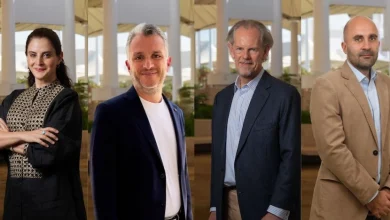
Saudi artists Alaa Tarabzouni, Dur Kattan, Fahad bin Naif, and Aziz Jamal collaborated as co-curators, merging their diverse backgrounds in the arts sector. “In our team, we don’t have specific roles,” Jamal explained. “We all collaborated on everything. We shot the video together and wrote it together. Our democratic process fosters creativity without strict guidelines.”
At the heart of the Saudi contribution in London lies the sabeel, a traditional water fountain typically found in shaded communal spaces. This fountain serves the community, offering free access to water. The sabeel symbolizes hospitality and generosity, deeply rooted in the Arabian Peninsula and prevalent throughout the Middle East.
“Growing up in Dhahran, you would see sabeels everywhere,” Jamal recalled. “Our house didn’t have one, but a mosque nearby did.” The London installation transforms the sabeel from a nostalgic relic into a contemporary, functional object. Visitors can fill their cups, both literally and figuratively, as they reflect on the unseen systems, labor, and energy that make flowing water possible.
Engaging Visitors with Interactive Experiences
Stacks of paper cups, emblazoned with the message “Good Water: 500 ml = one AI prompt,” will be available in vibrant colors. Refillable water bottles will encourage spectators to enjoy a “water-cooler moment” to chat, sip, and ponder. The pavilion also features four videos filmed at an old water factory in Riyadh, showcasing the painstaking journey of water from droplet to distribution. Each film lasts under ten minutes, tracing the production process across various bottle sizes.
Jamal’s perspective on water changed significantly while working on this project. “Visiting the water factory in Riyadh made me appreciate the enormous effort required to fill one tiny water bottle,” he said. “Now, I make it a point to finish my water bottle because I understand the extensive process behind it.”
A Commitment to Sustainability and Accessibility
Jamal hopes visitors will engage with the pavilion and recognize the importance of generosity. “We want people to drink the water and interact with the piece,” he stated. The sabeel will dispense locally sourced water, ensuring sustainability and reducing transportation impacts. Additionally, a printed catalogue will provide further context through essays, research material, and images of water infrastructure and sabeels from the Middle East and North Africa.
Saudi Arabia faces significant water scarcity challenges, with only 2.5 percent of the world’s water being freshwater. The Kingdom leads globally in desalinated water production, supplying over 60 percent of its potable water. “The sabeel perfectly illustrates the principle that water is a human right, not a luxury,” Jamal explained. “It’s free drinking water from a private source, embodying the spirit of paying it forward.”
Through “Good Water,” the Saudi National Pavilion highlights the labor behind everyday hydration and the importance of water access. “Our research focused on water and access,” Jamal added. “We examined the hidden costs of free water in Saudi Arabia, particularly through the lens of the sabeel.”
Despite the rise of plastic bottles, Jamal emphasized the enduring relevance of the sabeel, especially in a country with scorching summers and large outdoor workforces. “People need convenience, but sabeels remain vital for those working outdoors,” he noted. “Cold drinking water is essential in Saudi Arabia.”
After nearly a year of hard work, the team plans to celebrate by raising a glass of water. The pavilion will remain open until 29 June at Somerset House, inviting visitors to explore the significance of water in our lives.