Saudi-Led Maritime Coalition Stresses Need to Protect Freedom of Navigation
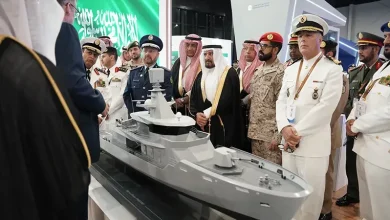
The big picture: Saudi Arabia and 13 other countries announced Thursday the creation of the Multinational Maritime Defense Coalition, a new security framework built to protect shipping lanes through the Bab al-Mandab Strait, the Red Sea and the Gulf of Aden.
Why it matters: These waterways carry a huge share of the world’s oil and container traffic, so any disruption ripples quickly through global energy prices and supply chains. Consequently, the founding states framed the coalition as a collective response to what they called mounting maritime threats.
Protecting Freedom of Navigation
In their joint statement, the founding governments stressed that growing challenges to global maritime security make it necessary to strengthen collective naval defense cooperation. As a result, they said, protecting freedom of navigation, international trade routes and global energy supply lines through the three waterways has become an urgent shared task.
The statement also affirmed that maritime security is a joint responsibility, and it emphasized that cooperation and coordination between nations remain the foundation for confronting shared, cross-border maritime threats. Meanwhile, the founding states reaffirmed their commitment to the UN Charter, international law and internationally recognized norms.
Importantly, the coalition describes itself as purely defensive. It does not target any specific state, coalition or international organization, and it operates within full respect for international law and national sovereignty, according to the statement. However, each country retains full sovereign discretion over whether to join specific coalition activities or operations, based on its own national rules and procedures.
Riyadh Takes the Lead
Saudi Arabia will serve as the coalition’s founding and leading state, and Riyadh will host its permanent headquarters. Specifically, the kingdom will house the alliance’s Joint Command, its command-and-control center, a Joint Maritime Operations Center and a General Secretariat, which together form the coalition’s main executive bodies.
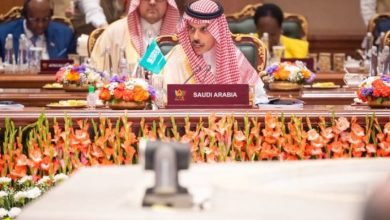
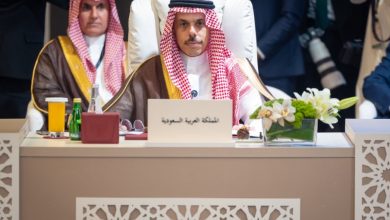
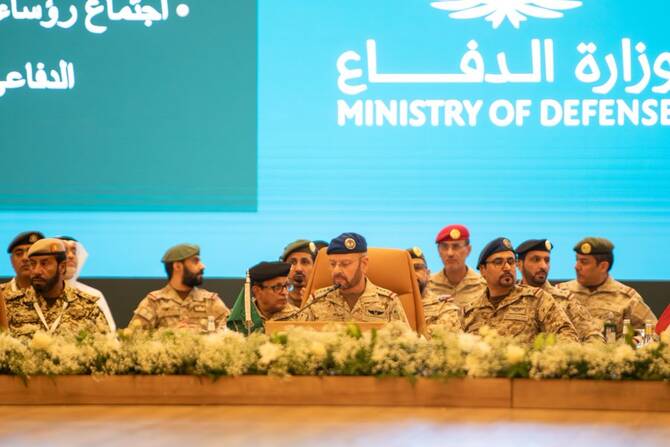
The announcement came at the close of a meeting hosted by the Saudi Defense Ministry, which brought together chiefs of staff and representatives from 43 countries, plus a delegation from the EU, to discuss the initiative. Nevertheless, two notable Gulf neighbors, the UAE and Oman, did not join the founding 14, even though both share similar maritime security interests in the region.
The coalition’s 14 founding members are Saudi Arabia, Kuwait, Bahrain, Qatar, Pakistan, Turkey, Egypt, Jordan, Yemen, Bangladesh, Nigeria, Sudan, Djibouti and Somalia. The remaining participating states, meanwhile, will now work through their own domestic legal and constitutional procedures before formally joining the coalition’s charter.
Rising Threats
Between the lines: The initiative arrives amid rising danger to shipping in the Red Sea corridor. Iran-backed Houthi forces in Yemen threatened on 20 July to impose a naval blockade on Saudi Arabia, and they have since claimed several attacks on Saudi-linked vessels. That escalation followed the closure of the Strait of Hormuz amid the broader US-Iran conflict, which had already pushed some oil shipments toward the Red Sea route instead.
The EU, notably, already runs its own naval protection mission, known as Aspides, in the Red Sea. So, it remains unclear how the new Saudi-led coalition will coordinate with or differ from that existing effort.
What’s next: The founding states called on any country that shares the coalition’s goals and principles to join its charter. Doing so, they said, would help expand cooperation and strengthen collective maritime security across the Bab al-Mandab Strait, the Red Sea and the Gulf of Aden.
Observers, meanwhile, describe the coalition’s creation as a clear marker of Saudi Arabia’s expanding regional security role. By anchoring the alliance’s headquarters and command structure in Riyadh, the kingdom positions itself at the center of Gulf maritime security just as threats to global shipping and energy routes intensify.