
Saudi-Italy Synergy: Inside Riyadh’s Regional Doctrine Ahead of Crown Prince’s Rome Trip
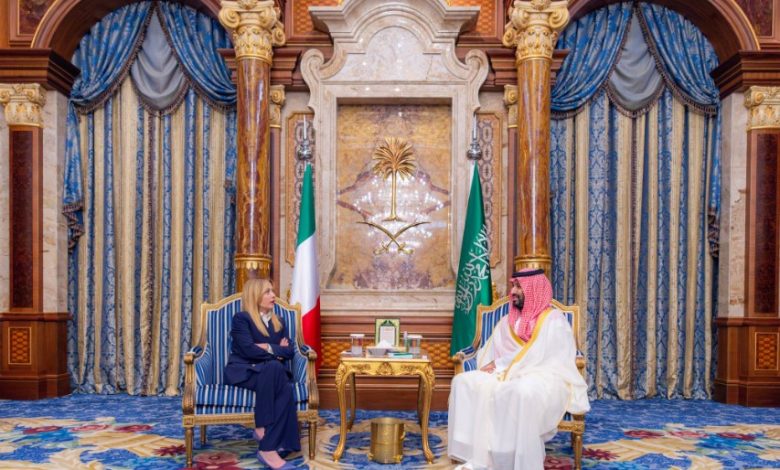
As Italy prepares for an expected visit by Saudi Arabia’s Crown Prince Mohammed bin Salman, Riyadh’s regional doctrine is gaining increased attention across Europe.
In an interview with Italy’s flagship daily Corriere della Sera, Saudi Advisor and Special Envoy of the Foreign Minister for Negotiations and Peace Efforts Manal Radwan outlined the Kingdom’s blueprint for navigating the current regional conflict and establishing peace across the Middle East.
A High-Profile Visit
Driving the News: Radwan confirmed that Saudi Crown Prince and Prime Minister Mohammed bin Salman will visit Rome, as cited by Corriere della Sera on November 25, 2026.
The Big Picture: Italian newspaper la Repubblica reported earlier that the Saudi Crown Prince will visit Italy between December 10 and 12 to meet Prime Minister Giorgia Meloni for his first official trip to the European country.
Why It Matters: The anticipated visit comes at a critical moment for the wider region amid the US-Iran conflict and continued Houthi attacks against the Kingdom. It also underscores a strong alignment of Saudi-Italian positions on regional developments and reaffirms the strength of bilateral political, economic, and defense ties.
What’s on the Agenda?
Zoom In: According to Radwan, the visit offers an opportunity to deepen the longstanding Saudi-Italian partnership and express appreciation to Rome for supporting Riyadh during the recent escalations. The Saudi envoy pointed out that Italy was among the first countries to back Saudi Arabia’s efforts to safeguard maritime security, support the legitimate government of Yemen, and deter the Houthi attacks.

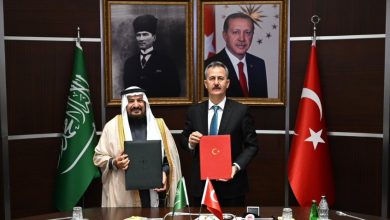
What to Watch: Saudi Arabia and Italy have a shared commitment to bolstering defense capabilities to promote stability. The two countries continue to strengthen cooperation in defense industries and advanced technologies.
A Closer Look into Saudi-Italy Alignment
The Backstory: In a joint statement on July 29, 2026, Riyadh and Rome aligned their positions on several regional issues.
Maritime Security
Saudi Arabia and Italy stressed the need to protect freedom of navigation in the Strait of Hormuz, the Red Sea, the Bab al-Mandab Strait, the Gulf of Aden, and international sea lanes, in accordance with the UN Convention on the Law of the Sea (UNCLOS).
Between the Lines: The two countries have advocated for maritime safety in the Red Sea through separate defensive initiatives.
- Multinational Maritime Defense Coalition: Saudi Arabia launched the Multinational Maritime Defense Coalition in late July 2026 to address and deter the growing threats to maritime security, including attacks against commercial vessels, energy tankers, and naval infrastructure in the Bab al-Mandab Strait, the Red Sea, and the Gulf of Aden.
- EUNAVFOR ASPIDES: Italy is a member of the European Union’s (EU) EUNAVFOR ASPIDES naval mission, launched in 2024 in response to Houthi attacks against commercial shipping in the Red Sea, Gulf of Aden, and the Indian Ocean. Rome also said that it would deploy additional warships to ensure the safe passage of commercial vessels through the Bab al-Mandab Strait.
The Strait of Hormuz
Radwan reiterated Saudi Arabia’s position that advocates for freedom of navigation in the Strait of Hormuz in accordance with the international maritime law.
The Context: Riyadh has opposed any unilateral measures that could restrict maritime transit, while Rome expressed readiness to join a UK-French multinational naval effort to safeguard navigation through the Strait of Hormuz once conditions permit.
Yemen
The Backstory: Riyadh and Rome urged an inclusive and constructive political process to reach a comprehensive and lasting peace settlement, reaffirming the ongoing commitment to providing essential humanitarian and development aid to support the Yemeni people.
Riyadh’s Commitment: In her remarks to the Italian outlet, Radwan reiterated Saudi Arabia’s commitment to the negotiated roadmap for Yemen, which the Houthis had accepted but never implemented. She pointed to the dire humanitarian situation in Yemen, particularly in Houthi-controlled areas, highlighting the civilian cost of the Houthi siege of Taiz.
The Firm Shield: The Saudi envoy also emphasized the Kingdom’s defense readiness and robust deterrence against Houthi aggression, noting that 60% to 80% of recent attacks against the Kingdom have targeted civilians and civilian infrastructure.
Palestine
State of Play: Radwan reaffirmed that the true guarantee for regional security is an Israeli government prioritizing a just, lasting peace that fulfills legitimate Palestinian rights.
Go Deeper: Both Riyadh and Rome are members of the Saudi-launched Global Alliance for the Implementation of the Two-State Solution, actively coordinating to advance the two-state solution.
The Regional Stabilizer
Mediation Track: Regarding Saudi Arabia’s stance on the US-Iran talks, Radwan said that Riyadh is playing a supportive role, facilitating and encouraging the resumption of direct channels while leveraging the Kingdom’s strategic relationship with the US to push both sides back to the negotiating table.
Regional Security Architecture: Riyadh firmly rejects any hegemonic tendency by Iran, either directly or through regional proxies, as well as Tehran’s push for a regional security arrangement that excludes international actors, viewing it as neither sustainable nor workable. In this context, Radwan suggested that Saudi Vision 2030 offers a developmental model that Iran itself could adopt.
The Saudi Equation: The Kingdom adopts a dual-track approach to conflicts and crises based on diplomacy and deterrence.
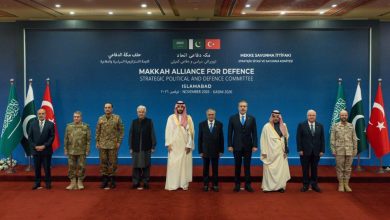
- Diplomacy: On October 26, 2026, a high-level Saudi delegation, led by Defense Minister Prince Khalid bin Salman, alongside partners from the Makkah Defense Alliance, visited Tehran and held talks with senior Iranian officials to promote dialogue and diplomatic solutions.
- Deterrence: Riyadh has built a cohesive network of defense partnerships, combining regional pacts such as the Makkah Defense Alliance with deep strategic partnerships with the US and European powers like Italy.
The Bottom Line: Ahead of Crown Prince Mohammed bin Salman’s expected visit to Rome, Radwan’s remarks outline shared strategic priorities with Italy, showing how Saudi Arabia is pairing pragmatic diplomacy and international maritime law with firm deterrence to establish regional security and stability.