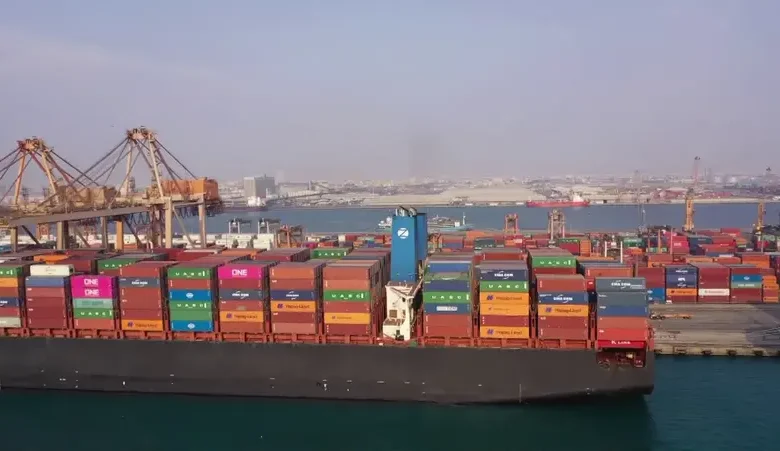
The big picture: The Federation of Saudi Chambers of Commerce launched the Logistics Challenges Observatory to address severe global supply chain disruptions. Regional maritime instability continuously forces commercial shipping lines to alter trade routes around Africa. Consequently, ocean freight rates surged over 300% for several local enterprises.
Why it matters: Saudi Arabia aims to establish a premier global logistics hub under Vision 2030 initiatives. The nation currently expands its logistics market toward SAR184.2 billion ($49.12 billion). However, persistent international transport delays threaten private sector operations across the Kingdom. Therefore, real-time field data provides essential guidance to national decision-makers.
Strategic collaboration: The Federation collaborates closely with the Ministry of Transport and Saudi Ports Authority. Additionally, official teams actively process over 130 operational challenges across major economic sectors.
Saudi Arabia actively constructs 59 unified logistics zones to boost trade efficiency. Moreover, state initiatives target handling over 20 million container units annually by 2030. Consequently, robust logistics infrastructure forms a cornerstone of broad national economic diversification efforts.
Sectoral Impacts and Escalating Transport Costs
Between the lines: Manufacturing facilities suffer the heaviest strain because industrial operations depend heavily on imported raw materials. Meanwhile, transport service providers and retail firms also encounter substantial operational bottlenecks.
Saudi commercial importers bear severe financial pressures as ocean carriers adjust international shipping routes. For example, rerouted cargo ships impose massive surcharge fees on local businesses. Furthermore, procedural conflicts between regulatory entities create additional administrative delays at local entry ports.
“These figures reflect surveyed cases and do not yet calculate total private losses,” stated the Federation. Nevertheless, preliminary survey indicators highlight urgent operational needs across key commercial sectors.
By the numbers:
- 5% of reporting private entities experienced direct financial impacts during recent logistics disruptions.
- 5% of reporting private entities experienced direct financial impacts during recent logistics disruptions.
- 6% of affected enterprises reported severe delivery delays for incoming merchandise.
- 6% of affected enterprises reported severe delivery delays for incoming merchandise.
- 4% of registered complaints originated from manufacturing facilities, making manufacturing the most impacted sector.
- 1% of reported cases affected logistics providers, while retail entities accounted for 8.9%.
- 19% of operational challenges stemmed directly from elevated port fees and extra charges.
- 9% of disruptions resulted from transit delays, while 12.7% involved conflicting administrative procedures.
- Over 300% freight rate increases hit specific local commercial facilities during recent regional disruptions.
- SAR37,500 to SAR45,000 ($10,000 to $12,000) in additional expenses burdened companies per container during rerouting.
- SAR112,500 ($30,000) in extra expenditures affected single three-container commercial shipments.
- SAR81,000 ($21,600) represented custom clearance and freight charges for one local business.
Digital Monitoring and Strategic Outlook
What’s next: The new digital platform compiles merchant reports to convert individual complaints into sector-wide policy recommendations. Furthermore, the system establishes early warning mechanisms to safeguard critical food and pharmaceutical supplies. The platform also identifies risks associated with over-reliance on single trade routes or specific foreign suppliers.
Platform accessibility: Investors and business owners access the interactive digital platform directly at marsad.fsc.org.sa. Additionally, commercial managers submit operational challenges and offer proactive policy recommendations directly to government experts.
Proactive risk management: The observatory tracks transport delays across key regional ports. Furthermore, systematic data collection enables government authorities to mitigate market disruptions before trade imbalances affect local consumers. As a result, Saudi Arabia enhances overall economic readiness and preserves national food security.
Long-term stability: Currently, officials lack precise annual loss estimates because private entities require more time to complete comprehensive financial reporting. Nevertheless, proactive monitoring will protect national trade stability, diversify supply routes, and drive sustainable economic expansion across the Kingdom.