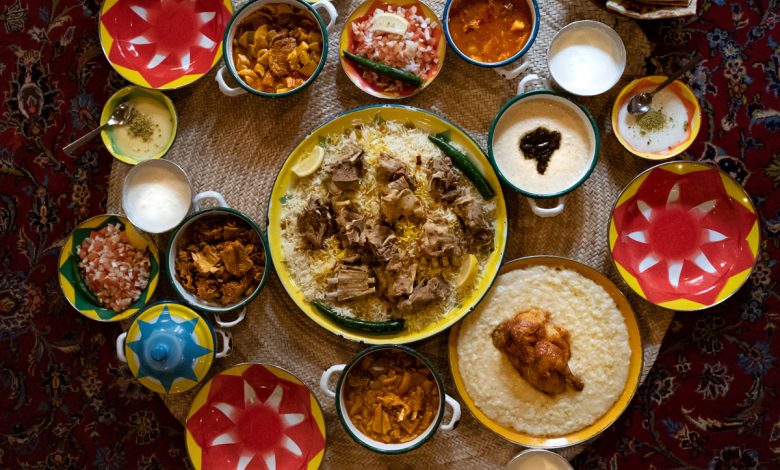
Saudi cuisine stands as one of the most profound expressions of the Kingdom’s national identity and cultural heritage, weaving together centuries of history with the country’s striking geographical diversity—from the sweeping deserts of Najd to the vibrant coasts of the Red Sea and Arabian Gulf, and from the rugged peaks of Asir to the lush oases of Al-Ahsa.
In Saudi Arabia, food transcends mere sustenance; it is a language of hospitality, a symbol of generosity, and a living bridge between generations, narrating the stories of families, tribes, and regions through humble ingredients elevated by skill, tradition, and time into dishes brimming with flavor and meaning.
Table Shaped by Environmental Diversity
Saudi dishes mirror the Kingdom’s varied landscapes and climates. In the central Najd region, where Bedouin and agrarian traditions run deep, meals center on wheat, dates, rice, and meat, seasoned with local spices that echo ancient trade routes. The western Hijaz region bears the culinary imprint of Yemeni, Egyptian, and Levantine influences, a legacy of Mecca and Medina’s centuries-old role as pilgrimage destinations. In the south, corn-based dishes, local ghee, and honey take the spotlight, while the eastern provinces favor fish and rice delicately perfumed with saffron and cardamom. Together, these regional variations transform the Saudi table into a living map of the nation’s geographical and cultural heritage.
Kabsa: Heart of Saudi Table
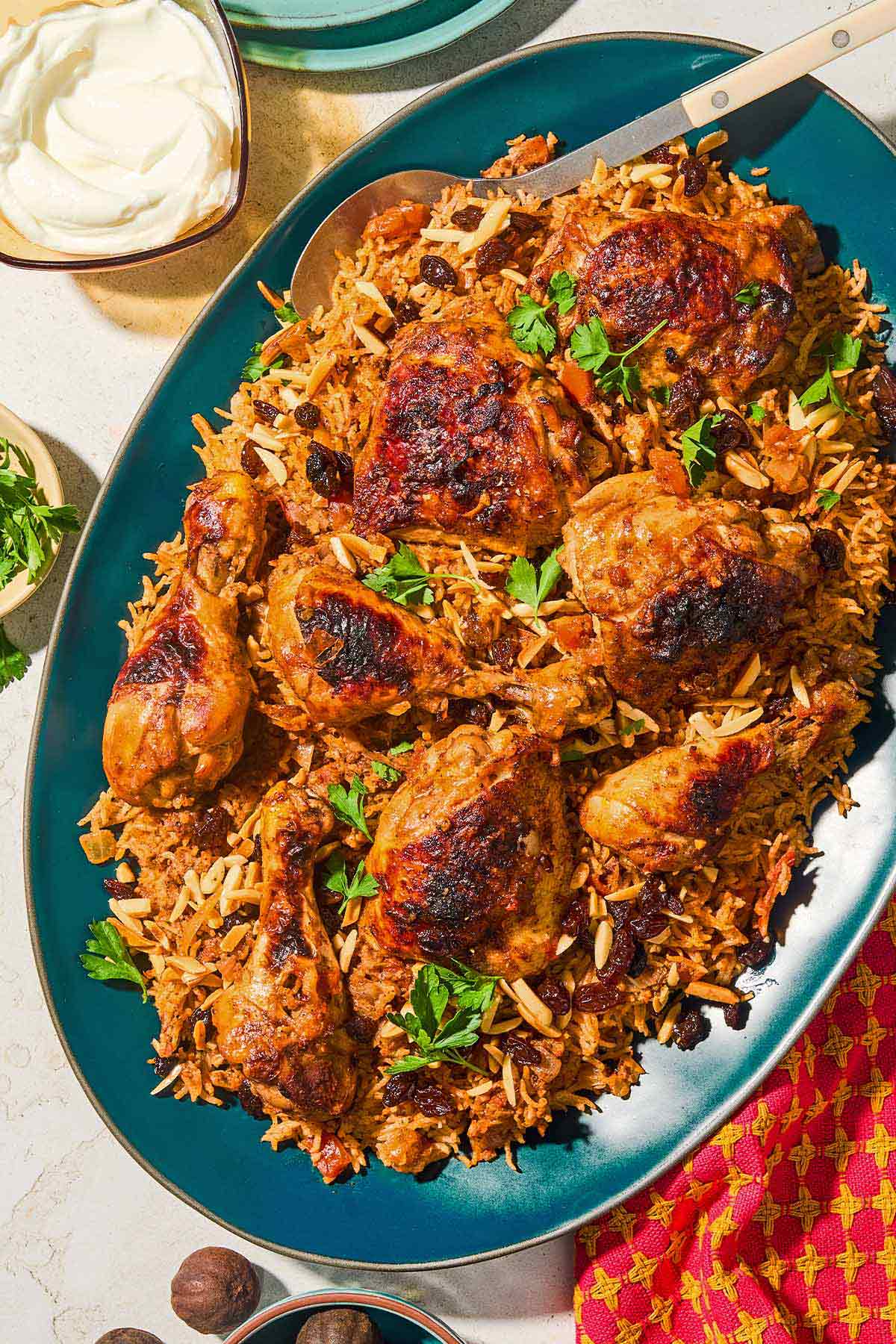
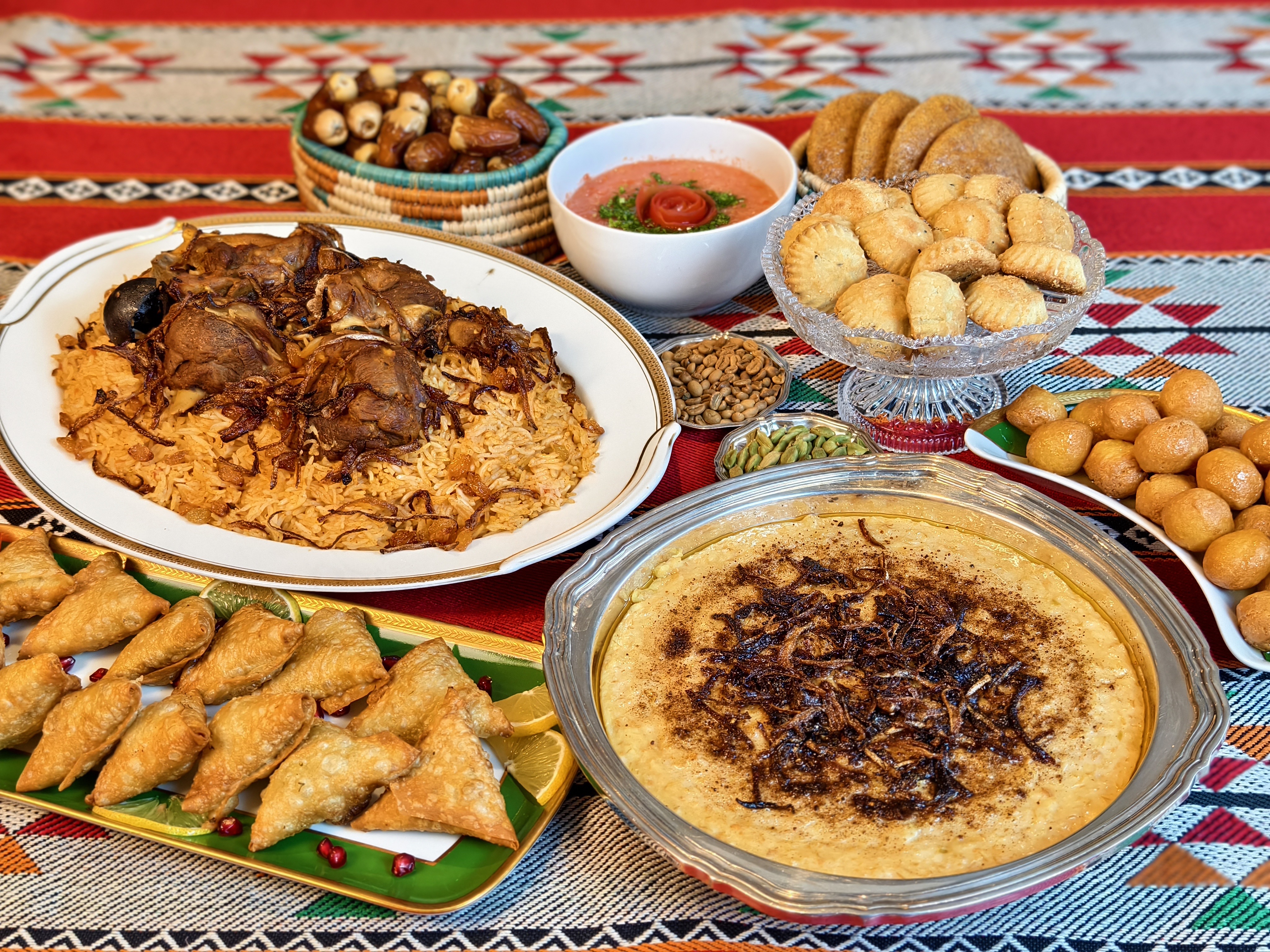
No exploration of Saudi cuisine begins without kabsa, the unofficial national dish that graces tables at weddings, banquets, and religious celebrations. Kabsa features rice slow-cooked with lamb, chicken, or camel, infused with a distinctive spice blend of cardamom, cloves, cinnamon, black pepper, and cumin, and finished with caramelized onions, raisins, and toasted nuts. Preparation varies by region: in Najd, it is traditionally cooked in a large pot over an open flame, while in Hijaz, it may be served alongside boiled pasta or hard-boiled eggs as garnish. Beyond its rich flavor, kabsa is defined by the rituals of its preparation and presentation—often made for family gatherings and served on communal platters that encourage sharing and togetherness.
Jareesh, Marq: Echoes of Agricultural Heritage
Among Saudi Arabia’s oldest dishes is jareesh, a centuries-old staple made from coarsely ground wheat simmered with meat broth, onions, spices, and occasionally rice. A warming winter dish, it is commonly served with yogurt or ghee. In Najd, it is also known as “Luqaimi” and was traditionally prepared during agricultural seasons as a nourishing meal. Marq follows a similar concept but features hand-cut dough pieces cooked with meat and vegetables in a savory broth, served hot with dates or yogurt. Both dishes underscore the Saudi kitchen’s deep ties to agriculture and local grains, illustrating how simple, wholesome ingredients were transformed into meals of both nutritional and cultural significance.
Haneeth, Mufathah: Art of Fire, Hospitality
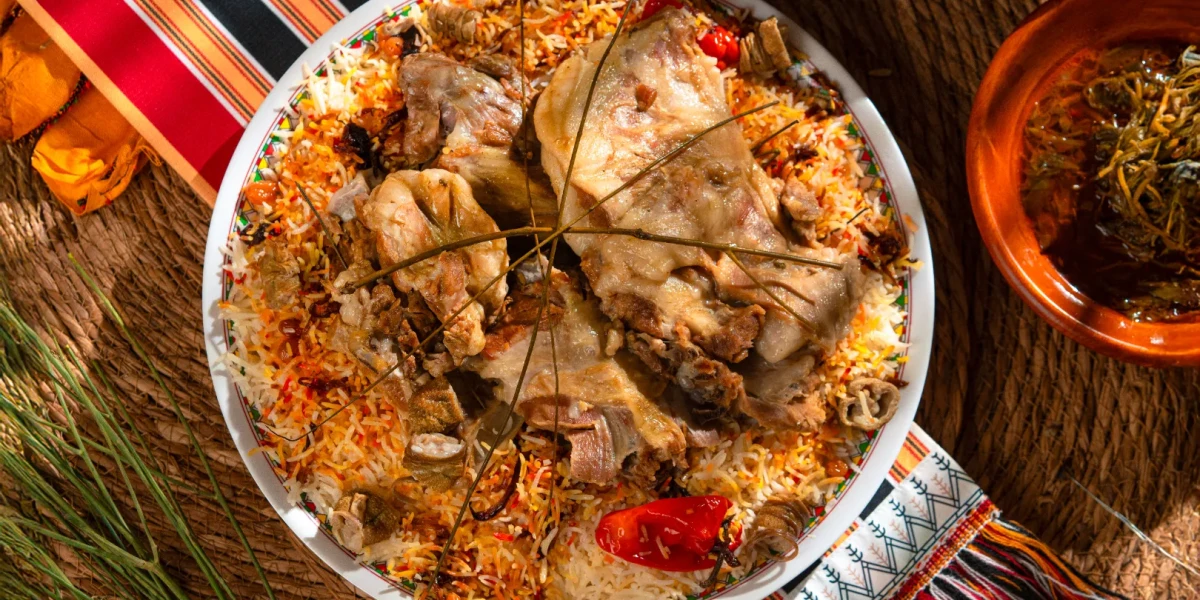
In the southern regions, particularly Asir and Al-Baha, haneeth reigns as one of the most celebrated traditional dishes. Lamb is slow-cooked for hours in an underground oven until meltingly tender and aromatic, then served with rice or red cornbread. Haneeth is a dish of celebration, often prepared for weddings and major gatherings. In contrast, mufathah—a Hijazi specialty—combines rice and meat seasoned with saffron, cardamom, and cinnamon, and is served with boiled pasta and hard-boiled eggs. Sometimes called “Hijazi Kabsa,” mufathah is distinguished by its refined flavor and elegant presentation, embodying the region’s renowned culture of hospitality.
Mutaziz, Qursan: Dough, Bread, Shared Memory
In Najd and Al-Qassim, mutaziz is a beloved dish that brings together hand-cut dough, meat, and vegetables in a rich, spiced broth. Qursan, meanwhile, is a thin, griddle-baked bread typically served with honey, ghee, or dates, often enjoyed at breakfast or as a light snack. These dishes reflect the Saudi kitchen’s enduring connection to bread and dough, showcasing how families once prepared daily meals by hand—a process that blended culinary skill with time-honored traditions passed down through generations.
Sweets: Dates, Cardamom, Scent of Rose Water
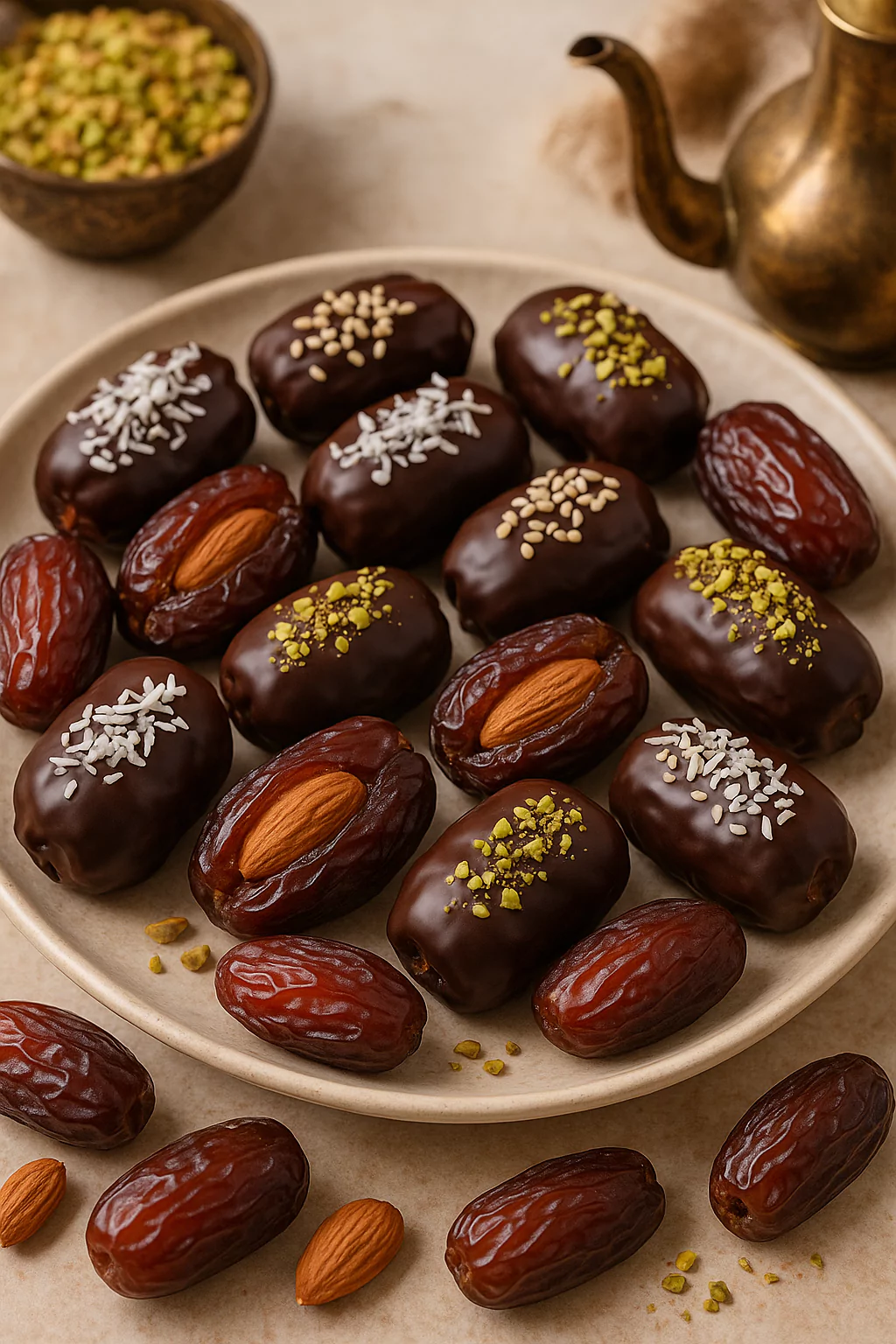
No Saudi table is complete without its traditional sweets, which reflect a deep appreciation for sweet and aromatic flavors. Hanini, made from dates, flour, ghee, cardamom, and saffron, is a favorite during Ramadan and special occasions. Kleija, a dessert iconic to Al-Qassim and Hail, features dough stuffed with dates and molasses, subtly spiced with cardamom and saffron, and cut into intricate decorative shapes.

In Hijaz, labaniya—a creamy confection of milk, sugar, rose water, and cardamom—is a staple at weddings and festivals. More than mere desserts, these sweets are integral to celebrations and acts of hospitality, demonstrating how local ingredients like dates and milk are elevated into unforgettable flavors.
Culture Woven Into Every Meal
In Saudi culture, food is never just about nourishment—it is an expression of generosity, respect, and community. The Saudi table is a place of gathering, where elders and children sit side by side, sharing from common platters. Tradition holds that guests must be offered the finest a host can provide, their plates continuously refilled as a mark of honor. Even in the humblest homes, preparing food for guests is considered a sacred duty, with livestock often slaughtered on major occasions as the ultimate gesture of welcome. This ethos is captured in enduring proverbs such as “The guest, even if a stranger,” and “Food on the table is a blessing.”

Preserving Identity Amid Modern Evolution
As lifestyles evolve, modern restaurants have begun reimagining Saudi dishes with contemporary flair, while government initiatives like the Culinary Arts Commission work to document and classify the nation’s culinary heritage—officially naming jareesh the national dish and maqshoosh the national dessert in 2023.
Yet, within Saudi households, traditional preparation methods endure, especially during celebrations, where recipes are lovingly prepared by mothers and grandmothers and passed down through generations. This delicate balance between innovation and authenticity ensures that Saudi cuisine remains dynamic and forward-looking, without ever losing touch with its roots.
Cuisine That Tells a Nation’s Story
Traditional Saudi food is far more than a collection of recipes—it is a living chronicle of a people’s history, environmental diversity, and shared values. From the wheat fields of Najd to the date palms of Al-Ahsa, from the spice-laden kitchens of Hijaz to the honey-rich hills of Asir, every dish carries a story, and every flavor speaks to identity. In an era of culinary globalization, the Saudi kitchen stands as a powerful reminder of the importance of preserving heritage—not as a relic behind glass, but as a vibrant, daily practice, cooked, shared, and celebrated around every table.
Related Topics:
Saudi Arabia Offers 5 New Services during Hajj Season 2024
For Easy Hajj Trip… Tips to Avoid Hassle of Travel
Hajj Season 2024: Pakistan Commends Saudi Arabia for Facilitating Hajj Procedures