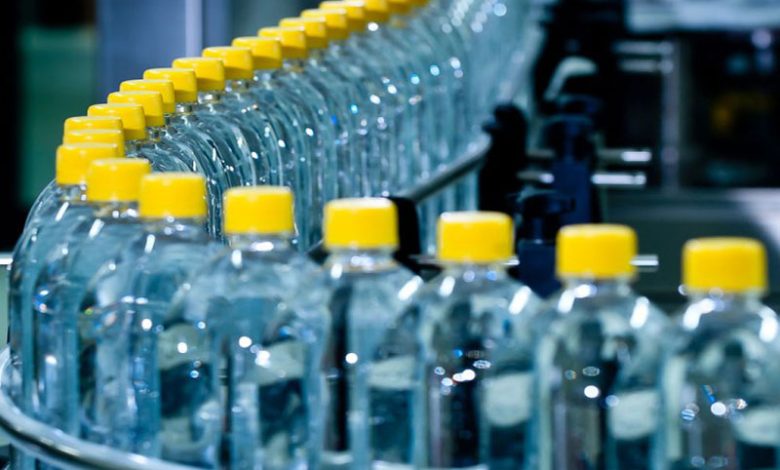
Saudi Arabia’s bottled water industry currently experiences a massive surge driven by rapid population growth and a booming tourism sector. Industry experts confirm that this momentum aligns with the Kingdom’s Vision 2030 goals for economic diversification and urban expansion. Consequently, research firm Imarc Group projects the market size will reach $5.5 billion by 2034, maintaining a 7.7% growth rate.
Rising urbanization and changing consumer preferences support this robust demand despite the challenges of extreme climate and natural water scarcity. Financial results already reflect this upward trend. For instance, Al-Jouf Mineral Water Bottling Co. reported a net profit of SR4.36 million in 2025, marking a 51.87% annual increase.
Francois de Bie, chief commercial officer at Emirates Biotech, told Arab News: “The Saudi bottled water market is growing, driven by population expansion, urbanization, and a growing tourism sector, all of which are tied to their Vision 2030.” He further noted that the Kingdom’s long-term vision ensures that this significant industrial growth will continue for years.
Hossam Ezzat, quality manager at Saudi-based Hana Co. for Food Industries, estimates annual growth between 6% and 8% currently. He attributes this specifically to limited freshwater resources and the expansion of the hospitality sector across all major Saudi Arabian cities.
Thomas Kuruvilla, managing partner of Arthur D. Little Middle East & India, described the sector as a resilient consumer category. He stated: “Saudi Vision 2030 continues to play a central role in shaping the broader water ecosystem, particularly through investments in supply and infrastructure.”
Sustainability and Innovation
The Saudi Green Initiative now forces companies to address environmental concerns through better waste management and circular economy practices. “The challenge for the industry is separating market growth from plastic pollution,” de Bie warned while discussing aggressive waste targets. In response, firms are adopting lightweight PET designs and introducing glass bottle alternatives to reduce their overall carbon footprint.
Furthermore, consumer behavior is shifting toward premium, alkaline, and flavored water options. Ezzat highlighted that e-commerce and home delivery services now dominate distribution channels. Younger demographics specifically demand single-use convenience without the environmental guilt, forcing brands to seek urgent and innovative sustainable packaging solutions today.