Why it matters: The United Nations honored Saudi Arabia with the prestigious World Restoration Flagship award. Consequently, this recognition highlights the Kingdom’s rising leadership in global sustainability, climate action, and desertification combat.
The UN Environment Program (UNEP) and the Food and Agriculture Organization (FAO) presented the award during the UNCCD COP17 conference in Mongolia. Specifically, the UN recognized the Kingdom’s National Greening Program for transforming arid landscapes and strengthening ecosystem resilience. In addition, the selection panel designated the program as a top global exemplar under the UN Decade on Ecosystem Restoration.
The big picture: This milestone directly supports Saudi Vision 2030 and the ambitious Saudi Green Initiative (SGI). The Kingdom backs these green initiatives with more than SAR 700 billion ($186.6 billion) in environmental investments. Consequently, these capital allocations advance natural conservation across rangelands, forests, deserts, and coastal ecosystems. In addition, the Kingdom currently operates over 77 sustainability projects to reduce emissions, fight desertification, and enhance urban livability.
What they’re saying: Furthermore, Environment, Water and Agriculture Minister Abdulrahman Alfadley emphasized the Kingdom’s commitment to building sustainable ecosystems. “Restoring more than one million hectares of degraded land demonstrates Saudi Arabia’s commitment to turning environmental ambitions into tangible results,” Alfadley said. “We carry out this effort in partnership with local and international stakeholders to create a sustainable natural legacy for future generations.”
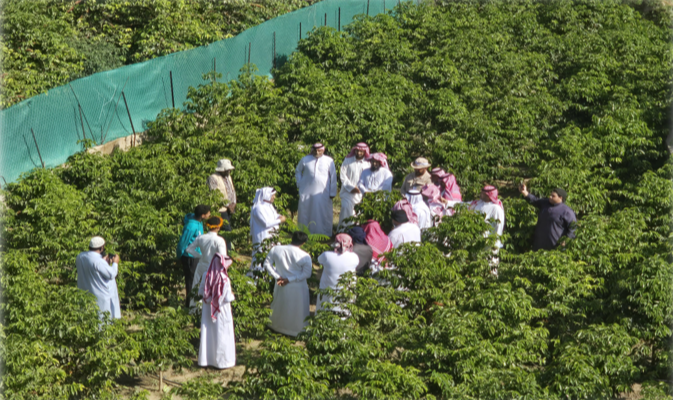
Ahmed Alayada, Chief Executive of the National Center for Vegetation Cover Development and Combating Desertification, outlined the nation’s aggressive path forward. “Saudi Arabia aims to restore more than 2.5 million hectares of land and plant 215 million trees by 2030,” Alayada stated. “These targets form part of the Kingdom’s longer-term ambition to restore 40 million hectares and plant 10 billion trees.”
Driving Impact and Ambitious Restoration Targets
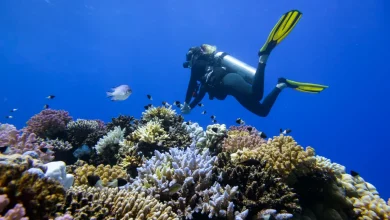
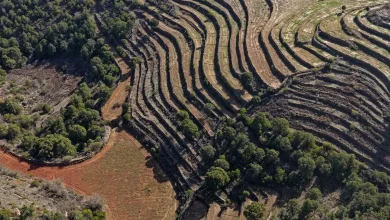
Between the lines: Saudi Arabia employs cutting-edge techniques to rehabilitate fragile habitats. For instance, teams utilize advanced rainwater harvesting and treated wastewater to sustain plants in water-scarce regions. Additionally, workers rely on large-scale reforestation, natural regeneration, managed grazing, and native wildlife reintroduction to revive degraded soils. Furthermore, restoration projects actively plant millions of mangrove trees along coastal zones to shield marine biodiversity.
The National Greening Program also established a comprehensive governance framework. Therefore, this framework effectively targets drought, land degradation, and shifting climate patterns.
The UN Decade on Ecosystem Restoration selected Saudi Arabia alongside major initiatives in Brazil and the Sahel. Together, these three flagship projects pledge to restore nearly 5 million hectares globally by 2030. Consequently, these global efforts protect vital food security, job growth, and environmental stability.
Comprehensive Environmental Progress
By the numbers:
- 159 million: Native trees planted across the Kingdom to date.
- 1 million: Hectares of degraded land successfully restored through mid-2026.
- 5 million: Target hectares designated for complete land rehabilitation by 2030.
- 215 million: Trees scheduled for planting across regional habitats by 2030.
- 40 million: Long-term target hectares for nationwide ecosystem restoration.
- 10 billion: Trees designated for long-term planting under the national program.
- 187,000: Green jobs created to support sustainable development goals.
- SAR 700 billion ($186.6 billion): Total capital allocated toward national green economy projects.
What’s next: Saudi Arabia continues to reintroduce threatened native species, including the Arabian oryx, gazelles, and ibex into protected natural reserves. Moreover, the Kingdom plans to expand marine and land conservation areas to cover 30% of its total territory by 2030. As a result, the Kingdom effectively combats desertification while creating a resilient environmental framework for future generations.