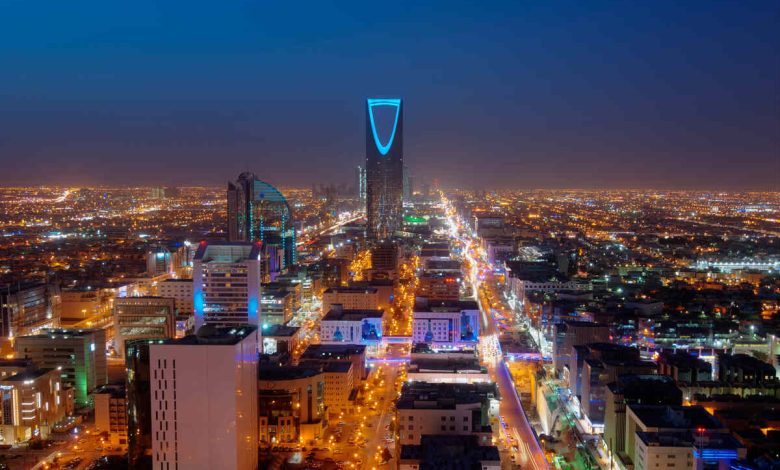
The big picture: Saudi Arabia’s non-oil activities expanded by 0.6% year-on-year in the second quarter of 2026. However, overall real gross domestic product contracted by 4.8% during the same period. Flash estimates from the General Authority for Statistics (GASTAT) highlight the non-oil sector’s continuous resilience despite severe hydrocarbon headwinds.
Why it matters: The figures demonstrate tangible progress under Vision 2030 economic transformation reforms. Saudi Arabia actively diversifies its revenue streams away from crude oil dependence. Currently, non-oil sectors contribute approximately 55% to national real GDP.
Furthermore, the Kingdom targets a 65% non-oil contribution by the year 2030. The Public Investment Fund (PIF) continuously channels billions into tourism, technology, logistics, entertainment, and advanced manufacturing. Consequently, these structural investments effectively cushion the national economy against external oil market volatility.
Oil Shock Drags Down Q2 Growth
By the numbers: Severe external supply disruptions caused the steep drop in oil activity during Q2 2026.
- 7% drop: Oil activities fell sharply year-on-year in Q2 2026 after regional conflict severely disrupted crude exports through the Strait of Hormuz.
- 5% decline: Hydrocarbon output plunged quarter-on-quarter, subtracting 4.5 percentage points from seasonally adjusted real GDP growth.
- 9% contraction: Total real GDP declined quarter-on-quarter compared to the previous three-month period.
- 5% dip: Non-oil activities edged down quarter-on-quarter, contributing a minor negative 0.3 percentage points.
- 9% growth: Government activities expanded year-on-year, providing vital domestic stability during energy market downturns.
- 0% expansion: Earlier Q1 2026 data showed solid annual GDP growth, driven by 2.9% expansion across both oil and non-oil sectors.
Strategic Sectors Accelerate Economic Transformation
Between the lines: The Kingdom accelerates major mega-projects to broaden domestic industrial capabilities. Specifically, non-oil exports, mining expansion, and financial services show remarkable operational momentum. Additionally, digital infrastructure investments attract significant foreign direct investment into the local market. Saudi Arabia also actively expands its domestic workforce participation. Women’s labor force participation recently reached record highs above 33%. Meanwhile, national unemployment dropped significantly toward historic lows. Thus, domestic human capital development directly fuels private sector expansion.
Strong Long-Term Economic Outlook
Looking ahead: International financial institutions maintain strong confidence in Saudi Arabia’s structural economic trajectory. The Organization for Economic Co-operation and Development (OECD) expects the Kingdom’s national economy to expand 3.2% this year. Moreover, the OECD forecasts economic growth acceleration to 4.3% in 2027.
Ultimately, non-oil expansion remains the central pillar of Saudi Arabia’s long-term prosperity. Strategic capital investments continuously insulate the domestic market from energy price volatility. Furthermore, ongoing private sector empowerment creates sustainable career opportunities for young Saudi citizens.
As Vision 2030 initiatives gather pace, Saudi Arabia moves steadily toward a diversified, highly resilient national economy.