Revolutionizing Water Transport: NEOM Embraces for Flying Ships
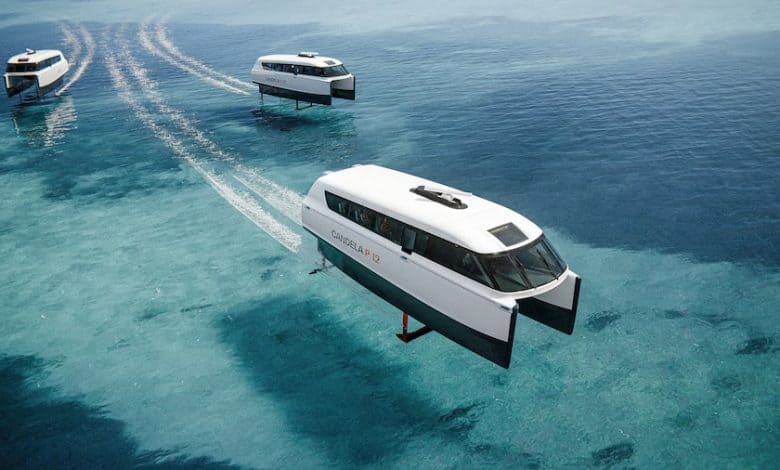
Saudi Arabia’s ambitious megacity project, NEOM, is set to revolutionize water transportation with the introduction of electric hydrofoil ships. These vessels, the first of their kind, will begin arriving in 2025. This purchase marks the largest order ever for Candela, a Swedish manufacturer specializing in sustainable mobility.
A Breakthrough in Water Commuting
These innovative ships, capable of gliding above the waves, promise to redefine water commuting. Unlike traditional ferries, the Candela P-12 boasts impressive speed, efficiency, and environmental friendliness. Powered by electric motors housed in underwater pods, the vessel operates silently, minimizing disturbance to marine life.
Advanced Hydrofoil Technology Reduces Energy Use
The P-12 operates on computer-guided hydrofoils, lifting the ship above water and cutting energy consumption. This design allows speeds up to 25 knots with more than two hours of endurance. The digital flight control system, adjusting hydrofoils 100 times per second, ensures stability and comfort, even in rough waters.
Passenger Comfort Meets Environmental Sustainability
With its top speed and endurance, the P-12 sets new standards for electric vessels. Hydrofoil technology reduces energy use by 80%, leading to lower emissions and higher efficiency. The advanced flight control system ensures a stable ride, even in challenging conditions.

Supporting NEOM’s Sustainability Goals
Candela’s CEO, Gustav Hasselskog, highlights the P-12’s role in zero-emission water transport. Smaller, faster vessels will enable frequent departures, reducing wait times and improving service access. NEOM‘s embrace of electric hydrofoil ships aligns with its commitment to sustainability. By choosing this technology, the city underscores its dedication to cutting carbon emissions and protecting marine ecosystems.
A Significant Step Toward NEOM’s Future Vision
NEOM’s adoption of electric hydrofoil ships marks a key milestone in its urban development vision. With the first vessels set to arrive in 2025, the world eagerly anticipates the transformative impact this technology will have on NEOM’s transportation system.