Saudi Crown Prince Backs 1967 Palestinian State at GCC-ASEAN Summit

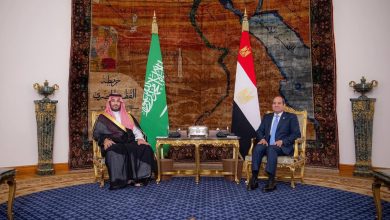
Saudi Crown Prince Mohammad bin Salman called for the establishment of a Palestinian state based on the 1967 borders. He emphasized this would ensure security and prosperity for all.
Speaking at the inaugural summit between Gulf Cooperation Council countries and the Association of Southeast Asian Nations (ASEAN), Mohammed bin Salman expressed deep concern about escalating violence in Gaza.
He stressed, “Innocent civilians are paying the price for the violence in Gaza.”
The Crown Prince condemned the targeting of civilians, describing it as a “heinous crime and brutal assault.”
He urged for an end to military actions against civilians and critical infrastructure impacting their daily lives. Mohammed bin Salman emphasized the need for a permanent peace leading to a Palestinian state.
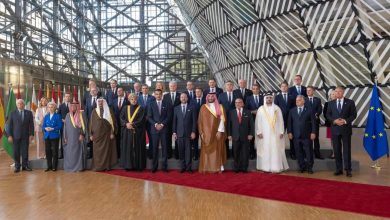
The Riyadh GCC-ASEAN Summit, being held on Friday, marks a significant milestone in the relations between the Gulf Cooperation Council (GCC) and the Association of Southeast Asian Nations (ASEAN). This summit aims to strengthen strategic cooperation between the two blocs, covering political, security, and economic aspects. The GCC and ASEAN established relations since 1990 and this is their first-ever summit.
The meeting held at the Al-Faisaliah Hotel on Wednesday, organized by the Gulf Research Center, served as a precursor to this historic event.
The Importance of GCC-ASEAN Strategic Cooperation
Dr. Abdulaziz Al-Uwaisheg, GCC assistant secretary-general for political affairs and negotiations, emphasized the significance of the Riyadh summit, considering the current regional events and circumstances.
The primary goal of the meeting is to enhance strategic cooperation between leaders from the Gulf and Asia, fostering mutual benefits and shared prosperity.
The trade exchange of goods between the GCC and ASEAN countries has already exceeded $110 billion, showcasing the substantial volume of foreign trade between these regions. This figure signifies the immense potential for further economic collaboration and growth.
Strengthening GCC-ASEAN Economic Ties
One of the key focuses of the Riyadh GCC-ASEAN Summit is to strengthen economic ties between the Gulf and Asia. The Memorandum of Understanding (MoU) between the Federation of Gulf Chambers and ASEAN is expected to play a pivotal role in enhancing cooperation.
By establishing a framework for collaboration, this agreement aims to facilitate trade and investment opportunities, promote healthcare initiatives, boost tourism, and foster educational exchanges.
The opportunities presented by the GCC’s strategic location, bridging the Arabian Gulf, the Indian Ocean, Southeast China, and the China Sea, are immense.
Moreover, the Strait of Malacca, situated between Indonesia and Malaysia, holds significant importance for oil trade, making maritime security and logistics crucial factors for the success of economic cooperation.
Political and Security Cooperation
In addition to economic collaboration, the Riyadh summit also emphasizes the importance of political and security cooperation between the GCC and ASEAN. With the GCC serving as an epicenter of growth and change, there are numerous opportunities for both regions to work together on pressing issues.
The Philippines, among other Southeast Asian countries, recognizes the importance of the GCC as a regional partner and is committed to promoting political and economic collaborations. Strengthening security cooperation is crucial to address shared challenges and ensure the stability and well-being of both regions.
Opportunities for Growth and Change
The Riyadh GCC-ASEAN Summit provides a platform to explore the vast opportunities for growth and change in the Gulf and Asia.
The Kingdom of Saudi Arabia, as the host of the summit, plays a pivotal role in providing employment opportunities to workers from Southeast Asia, thereby supporting families and contributing to the overall development of the region.
The summit aims to further enhance these opportunities by fostering collaboration in various sectors, including technology, innovation, infrastructure development, and sustainable growth.
By leveraging the strengths and resources of both regions, the GCC and ASEAN can drive positive change on a global scale.