The Philippines is looking forward to expanding its cooperation with Saudi Arabia in the field of energy security by forging new agreements.
On an official two-day trip to the Kingdom, the Philippine Department of Energy (DoE) will explore new partnerships and agreements to foster a diversified and sustainable energy sector.
Official Trip
In a statement, the DoE announced that the country’s Energy Secretary, Raphael Lotilla, has on Monday begun a trip to Saudi Arabia. The Secretary is leading an energy delegation to the Kingdom, in an official mission to forge stronger partnerships in the energy sector, reported the Philippine News Agency.
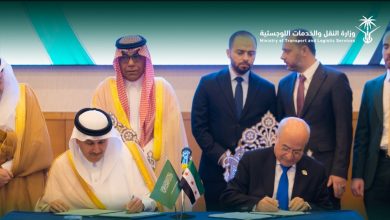
During the energy mission, scheduled from October 14-15, 2024, Lotilla will sign a memorandum of understanding (MoU) with the Saudi Ministry of Energy to expand energy cooperation.
The MoU follows a visit for President Ferdinand Marcos Jr. to Saudi Arabia last year to participate in the inaugural Association of Southeast Asian Nations-Gulf Cooperation Council Summit. It also concludes negotiations that have begun in 2005. “After 19 years, I am pleased to see the successful conclusion of our negotiations,” Lotilla said.
Areas of Cooperation
The energy ministers of both countries will sign the MoU to enhance cooperation in the transition to cleaner and more sustainable energy sources, most notably in developing and deploying low carbon technologies.
The statement noted that the MoU will strengthen cooperation in key areas, such as renewable energy, natural gas, and relevant technologies to mitigate the impacts of climate change. “This could include joint research and development projects, policy exchange, and capacity building in areas such as carbon capture, utilization, and storage (CCUS), and hydrogen,” the statement said.
Furthermore, the DoE confirmed that the partnership with Saudi Arabia goes beyond the South Asian country’s current energy needs, according to Manilla Bulletin. “The partnerships with Saudi Arabia extend beyond addressing the current energy needs,” the statement said.
Philippines Energy Crisis
As the Philippines faces regular power outages and high tariffs, Manilla has been searching for clean and sustainable solutions to generate power. According to Arab News, the country heavily relies on coal as the main source of electricity, representing more than 50% of its power generation.
In the light of this, the Philippine government has forged an energy plan to increase the share of renewable energy sources in its energy mix from the currently 22% to 50% by 2040.
Additionally, the authorities in Manilla estimates that the country’s power demand will hike four times from 2020 to 2040, especially that it remains dependent on imported fossil fuels and lacks sufficient renewables. The DoE expressed optimism over the possible cooperation with Saudi Arabia in the field of renewables and sustainable energy solutions.
The statement said: “As global efforts to transition to cleaner and more sustainable energy sources intensify, the Philippines and Saudi Arabia can cooperate in the development and deployment of low-carbon technologies.”
Saudi Arabia’s Progress in Renewables
Saudi Arabia is making steady progress towards enhancing its renewable energy sources, as part of its green transformation plans under Vision 2030. The Kingdom has set the target of generating 130GW of renewable power capacity and securing at least 50% of its electricity from renewables by 2030.
To this end, Saudi Arabia has embarked on several projects to harness its abundant renewable sources, including wind, biofuels, geothermal and solar energy. In order to bolster its efforts in this regard, the Kingdom has launched a new series of renewable energy projects, including issuing a request for qualifications for the sixth round of solar and wind projects, adding 4,500 megawatts of energy to the national grid.