Clearing Iranian-laid mines from the Strait of Hormuz could require six months of intensive operations, according to a new Pentagon assessment.
The Washington Post first reported this assessment on Wednesday, citing officials familiar with classified discussions held with American lawmakers. Consequently, the global economy faces a prolonged period of energy instability as the vital waterway remains a high-risk zone.
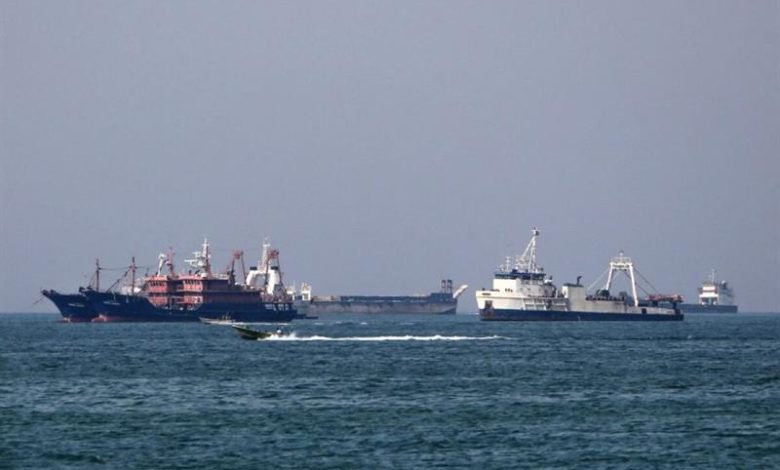
Iran effectively blocked the narrow passage at the onset of its conflict with the United States and the State of Israel. One-fifth of the world’s oil and gas typically flows through this channel, yet it remains closed during a fragile ceasefire. Although hostilites have paused, the United States continues to enforce its own naval blockade against the Islamic Republic’s interests.
Pentagon officials informed the House Armed Services Committee that mine removal cannot realistically begin until the war officially ends. Furthermore, lawmakers learned that Iran deployed twenty or more sophisticated mines throughout the area using advanced GPS remote technology. These remote systems make detection significantly more difficult for standard minesweeping vessels currently stationed in the region.
Denials and Defensive Warnings
Despite these detailed reports, Pentagon spokesman Sean Parnell told the Washington Post that the leaked information was “inaccurate.” Meanwhile, the Iranian Revolutionary Guards have issued stern warnings regarding a “danger zone” covering 1,400 square kilometers of sea. This area is fourteen times the size of Paris and contains an unknown number of active, floating explosive devices.
“The Islamic Republic will not reopen the strait as long as the US naval blockade remains,” stated Iran’s parliament speaker. This firm stance complicates international efforts to restore trade routes and lower the rising cost of shipping and insurance.
Shippers Demand Safety
Commercial shipping companies remain hesitant to enter the waterway without guaranteed safety and clear instructions on viable nautical routes. A spokesman for Hapag-Lloyd cautioned last week that shippers still fear the presence of mines despite the current ceasefire. When the strait briefly reopened earlier this month, only a few vessels risked the crossing due to these persistent threats.
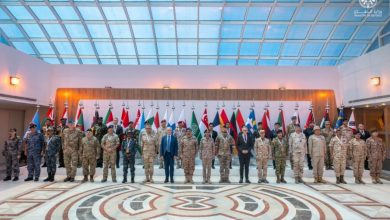
Military planners from thirty countries met in London on Wednesday to discuss a multinational mission to protect regional navigation. The United Kingdom and France lead this “defensive” coalition, which aims to coordinate mine clearance once the war concludes. However, the Revolutionary Guard continues to threaten any military vessels that attempt to cross the channel without their explicit permission.