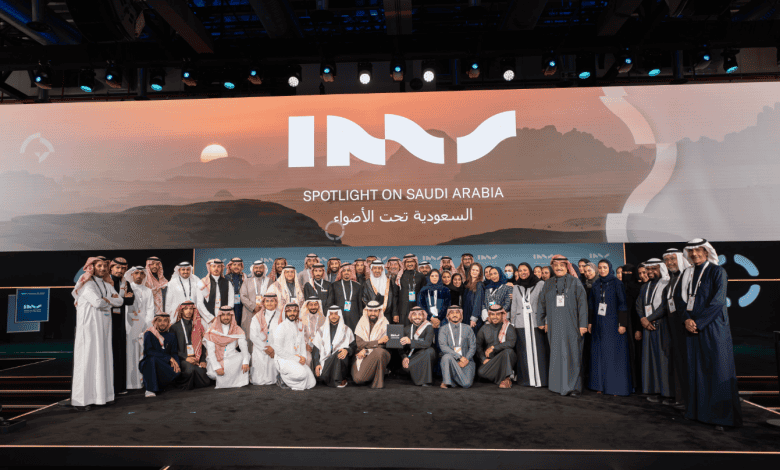
Saudi Arabia is progressing towards becoming a global destination for hosting mega events, thanks to major strides made in bolstering the meetings, incentives, conferences, and exhibitions (MICE) industry.
These efforts come in line with the revolutionary Vision 2030, which aims to transform the Kingdom’s economy and make it less dependent on oil revenues. Hence, Saudi Arabia is prioritizing other sectors, such as tourism and travel.
Hosting Mega Events
Earlier in December, Saudi Arabia won a bid to host the FIFA World Cup 2034, another key milestone after winning the rights to hold World Expo 2030. The Kingdom’s bid to host the grand soccer tournament received the highest evaluation in FIFA’s bidding history, scoring 419.8 out of 500.
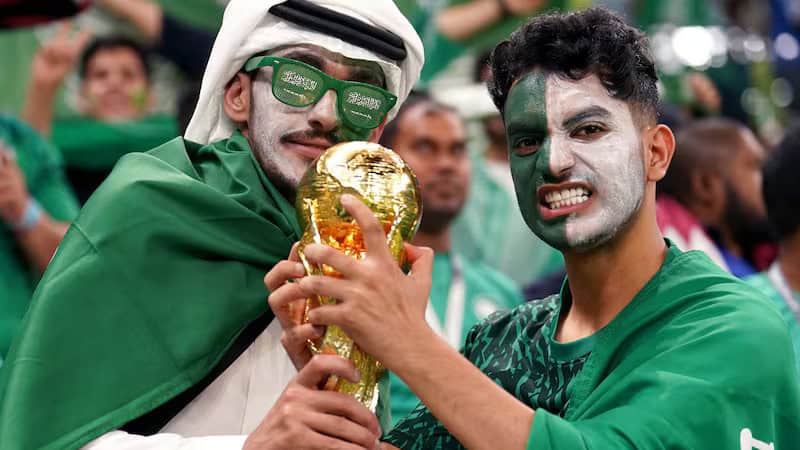
In its bid to host the World Expo 2030, Saudi Arabia defeated contenders, such as Italy and South Korea in November 2023, with Riyadh securing the majority vote of 119 out of 165.
During the inaugural International MICE Summit (IMS24), held in Riyadh from December 15-17, 2024, the Chairman of the Saudi Conventions and Exhibitions General Authority, Fahd al-Rasheed, said: “The next decade we’ll host two of the largest events. Our sector has an even larger opportunity.”
Flourishing MICE Industry
MICE is a business-focused industry within the tourism sector. It generates revenues from organizing large trade exhibitions and conferences. The recent rebound in business travel has benefited the MICE industry, according to Fortune.
The business travel’s recovery from the pandemic has been slower than leisure travel. Lifting the lockdown restrictions led to a boom in leisure travel across the world, in what many call “revenge travel.” However, business travel did not see the same surge in demand, as applications such as Zoom and other videoconferencing tools have enabled business professionals to hold conferences virtually.
On this matter, Al-Rasheed projected that over the next decade, the growth of international business travel will outpace the world’s economic growth. Owing to this, Al-Rasheed believes that Saudi Arabia is poised to benefit due to its increased spending to boost the tourism sector, with both leisure and business segments included.
Strengthening Tourism Sector
Under Vision 2030, Saudi Arabia plans to spend $1.3 trillion on infrastructure to diversify the Kingdom’s economy. In this context, the Saudi Tourism Minister, Ahmed Al-Khateeb, highlighted the significance of strengthening the tourism sector to benefit from the thriving MICE industry.
Al-Khateeb said that the MICE industry will fully recover around the globe by the end of 2024, making boosting the Saudi tourism sector a strategic priority. “Tourism is important for jobs, for women, important for the economy, and rural areas,” he said.
Ambitious Tourism Plans
Saudi Arabia has ambitious plans for tourism under Vision 2030. The Kingdom aims to attract 150 million visitors each year by 2030. In order to bolster the travel sector, the Kingdom has embarked on multiple initiatives to strengthen infrastructure.
These include opening a new international airport in Riyadh in 2030; financially support the new Riyadh Air airline carrier; and facilitating tourism for residents of 66 countries worldwide, including the US, Japan, and Australia, through a 90-day tourist visa issued through an online application.

The Saudi Tourism Minister noted that these investments play a vital role in making tourism the second largest contributor to Saudi Arabia’s economy after oil. “Creating this source of income and these jobs will definitely make our economy more sustainable and more resilient in the future,” Al-Khateeb said.
Challenges Ahead
The thriving MICE industry offers opportunities as well as challenges. As Saudi Arabia is a growing global hub for major events, this puts stress on equipment and manpower. In the light of this, the CEO of the World Defense Show, Andrew Pearcey, pointed to some challenges he faced while preparing for the biannual mega event.
“In terms of planning, make sure you do it early on. Be aware that other events are happening at the same time. For the supply chain, you suddenly have 10 big events happening,” he said, adding that this makes it difficult to secure equipment for event logistics.
Similarly, CEO of the Middle East division at French-based GL Events, Jean-Guillaume Lacoste, said: “A lot of mega-events are concentrated in Q4 and Q1. That challenges both equipment and manpower.”