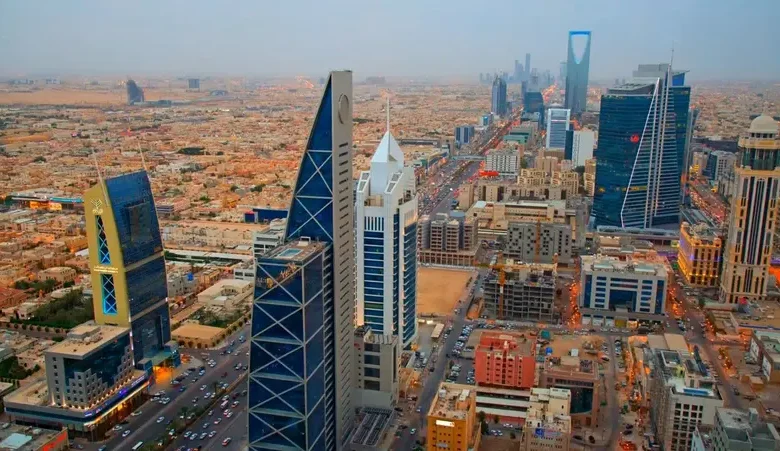
The International Monetary Fund (IMF) released its 2026 Article IV Consultation report on the Saudi economy on Wednesday, stating that Saudi Vision 2030 has driven a full decade of economic transformation. The report said the Saudi economy has shown resilience despite recent regional geopolitical tensions.
The IMF forecast that the Saudi economy will grow to 5.5% in 2027, adding that artificial intelligence could lift GDP growth to as much as 6% over the next decade, given Saudi Arabia’s global leadership in adopting AI across several sectors.
The IMF assessed Saudi public debt as “sustainable,” noting that sovereign risks are “low,” and praised the Saudi Central Bank for maintaining prudent policies. The report said the Public Investment Fund’s (PIF) new 2026–2030 strategy strengthens the role of the private sector in the economy.
On social and economic indicators, the report highlighted that Saudi women’s participation in the labor force has risen to 35%.
According to the IMF, the Saudi economy entered 2026 with strong momentum, with GDP rising 4.6% in 2025, supported by non‑oil activity driven by domestic demand. Inflation fell to below 2%, labor market conditions remained favorable, and unemployment among Saudis continued to decline. The Saudi Central Bank holds ample foreign exchange reserves, and the banking sector maintains strong buffers.
Red Sea ports
Diverting oil shipments via the East–West pipeline to Red Sea ports helped limit the impact on oil shipments, while higher oil prices offset the decline in volumes, contributing to exceptional oil revenues. High‑frequency indicators point to a rapid stabilization of non‑oil activity in April–June following a potential contraction in March.
Rising oil revenues are expected to reduce the current account and fiscal deficits this year. Medium‑term growth drivers include strong consumption and investment, including major government‑led projects and international events, along with continued structural reforms under Saudi Vision 2030.
IMF executive directors welcomed the Saudi economy’s resilience amid the war in the Middle East and associated disruptions to shipping, trade and oil exports. They also welcomed steady progress in implementing reforms, which has strengthened institutions, supported economic performance and maintained macroeconomic and financial stability.
Related Topics :
Assistant Finance Minister Joins G7 Session on Sidelines of 2026 IMF-WBG Spring Meetings
KSA calls on global community to face the Iranian violations
Saudi FM meets his US counterpart on sidelines of G20 meetings.
Saudi Arabia Participates in “GITEX World Expo 2023”