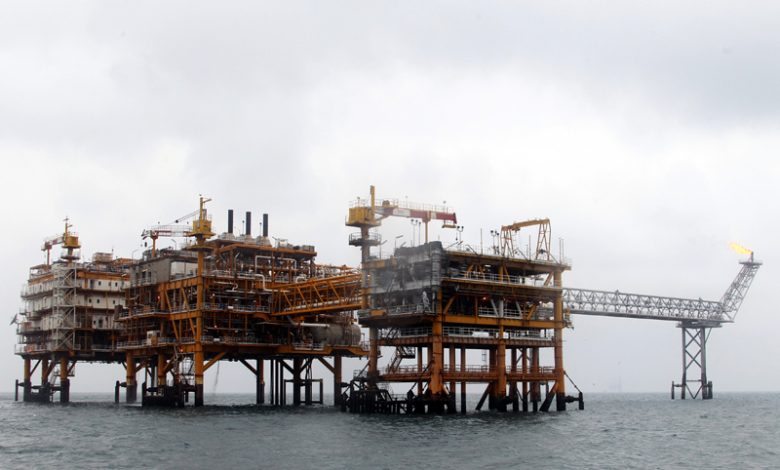
Iran threatened on Wednesday to attack oil and gas targets throughout the Gulf after Israeli warplanes struck its massive Pars gas field, marking the first hit on Iran’s Gulf energy infrastructure since the US-Israeli war began.
Oil prices shot up following the attack, causing benchmark Brent crude to rise 5% to over $108 per barrel. Consequently, stock markets veered lower as investors feared lasting damage to the world’s most important energy-producing infrastructure.
The Pars field represents the Iranian sector of the world’s largest natural gas deposit, which Iran shares with Qatar. Iran’s Fars news agency reported that the strike hit gas tanks and parts of a refinery during the morning. Emergency crews eventually brought the fire under control after workers evacuated the site to reach a safe location.
Political Fallout and Condemnation
Israeli media widely reported that Israel carried out the attack with US consent, although neither country acknowledged immediate responsibility. Meanwhile, Qatar blamed Israel for the strike without mentioning a specific US role in the dangerous operation.
The Qatari foreign ministry spokesperson called the event a “dangerous and irresponsible” escalation that put global energy security at risk. Additionally, the UAE denounced the attack as tensions continue to rise across the sensitive maritime energy corridor.
Israel killed Iran’s intelligence minister Esmail Khatib on Wednesday, just one day after killing security chief Ali Larijani. “No one in Iran has immunity and everyone is in the crosshairs,” stated Defence Minister Israel Katz regarding the operation.
Katz and Prime Minister Benjamin Netanyahu authorized the military to target any senior Iranian official without seeking additional approval. This policy marks the first time Israel has publicly stated the military can target enemy officials without political permission.
Retaliation and Humanitarian Impact
Iran retaliated for the killings by firing missiles at Israel, which authorities say killed two people near Tel Aviv. Tehran also claimed it fired at US bases in Bahrain, Iraq, Jordan, Kuwait, Saudi Arabia, and the UAE.
In Lebanon, Israeli airstrikes destroyed apartment buildings in central Beirut, killing at least 10 people according to local authorities. “It’s just an operation to hurt, to terrify people, to terrify children,” resident Abu Khalil told Reuters after fleeing.
Inside Israel, an Iranian missile tore a crater into the pavement and set cars ablaze in a residential area. “There was an alarm, we went into the shelter, we heard a crazy boom,” resident Leah Palteal told Reuters.