
Saudi Arabia is strengthening the foundations of its transport and logistics sector as part of a broader effort to enhance connectivity, attract international investment, and advance its economic transformation.
The sector has already exceeded several Saudi Vision 2030 targets ahead of schedule, with new investment commitments expected to reach SAR45 billion in 2026, according to Minister of Transport and Logistic Services Saleh Al-Jasser.
Private Investment Drives Logistics Expansion
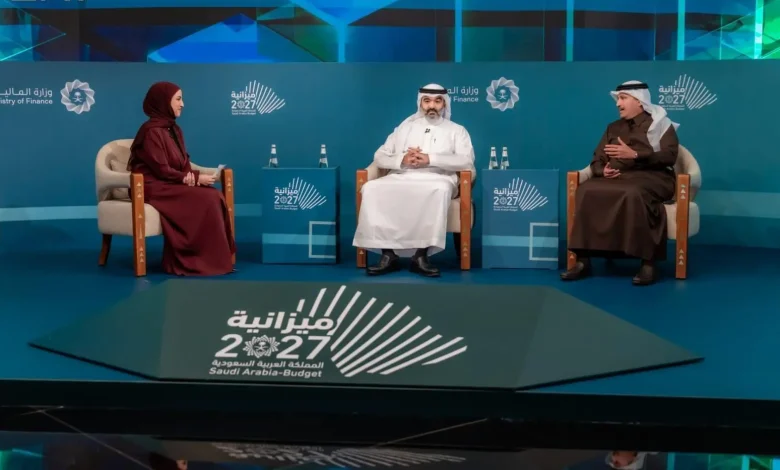
Addressing a panel discussion titled “Logistical and Technical Capabilities Connecting the World” at the Budget 2027 Forum, Al-Jasser spotlighted the coordinated system supporting the sector’s expansion.
It brings together regulatory and legislative entities overseeing civil aviation, transport, roads, and ports, while maintaining close cooperation with the private sector.
In this context, the private sector has emerged as a central force behind the Kingdom’s transport and logistics ambitions, serving as the main source of investment and resources supporting the National Transport and Logistics Strategy.
According to Al-Jasser, Saudi Arabia has drawn hundreds of billions of riyals in high-quality investments from major international companies in recent years, signaling growing interest in its expanding logistics market.
What’s Driving Saudi Arabia’s Port Expansion?
Jeddah Islamic Port is also expanding its capacity to accommodate growing logistics activity, with 17 integrated logistics zones currently operating at the facility.
This expansion is set to continue through new partnerships, including multibillion-riyal investment agreements signed this year with CMA CGM to develop a terminal at the port, alongside contracts for five additional logistics zones.
Railway development is another major component of the Kingdom’s transport expansion. Al-Jasser highlighted the procurement of 20 new trainsets for the Haramain High-Speed Railway, as well as additional rolling stock for the Eastern, Northern, and mining railway lines.
The expansion also extends to freight connectivity. Contracts have been signed to double-track the mining railway, which transports three types of minerals, while plans to connect the Kingdom’s railway networks through a link in Riyadh have reached the final tendering stage. Meanwhile, work continues on completing the Landbridge project in partnership with the private sector.
Women Take a Growing Role in Logistics
The transformation of Saudi Arabia’s transport and logistics sector is also reflected in the changing composition of its workforce.
Women’s participation has risen to 33% of the sector’s workforce, while Saudization in leadership and highly skilled positions has reached nearly two-thirds, according to Al-Jasser.
He attributed this progress to specialized academies that provide internationally recognized training programs in line with private-sector employment needs.
Technological advances have also reshaped the nature of work across the sector, turning roles such as operating large port cranes and driving modern trains into advanced career opportunities for Saudi men and women.
These include positions involving the Haramain High-Speed Railway and Al Mashaaer Al Mugaddassah Metro.
Related Topics:
Logistics Breakthrough: Saudi-Omani Green Land Corridor Accelerates Gulf Trade
Global Logistics Leaders to Convene in Riyadh as Saudi Hub Ambitions Grow
The Red Sea Gateway: Saudi Logistics Network Offers GCC Economic Lifeline