From Riyadh to Moscow: How Saudi Arabia Is Redefining Its Global Cultural Footprint
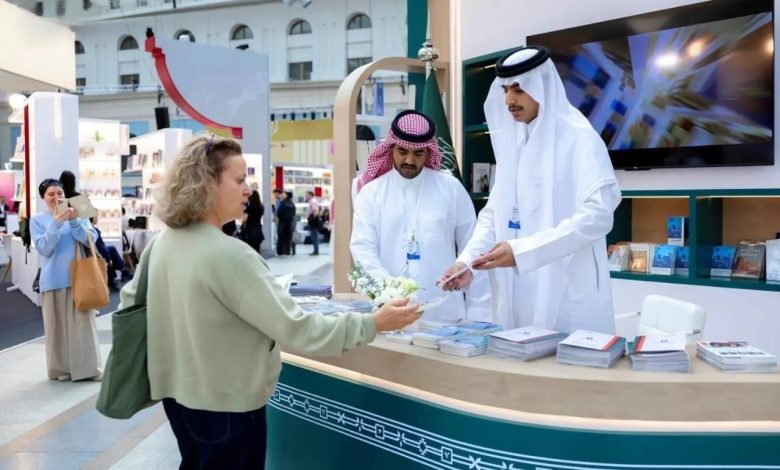
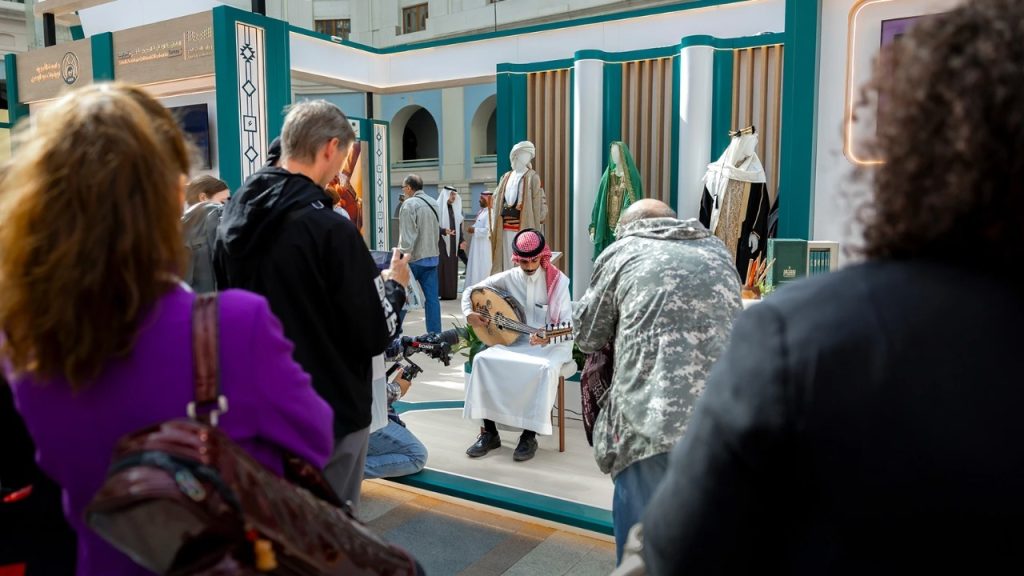
The big picture: Saudi Arabia launched its pavilion at the Moscow International Book Fair on Wednesday, and the move fits a much bigger pattern: the Kingdom is turning culture into a genuine export.
Why it matters: Riyadh no longer treats book fairs, festivals and heritage sites as side projects. Instead, it uses them as tools of soft power and economic diversification under Vision 2030, and the Moscow pavilion is the latest stop on a packed international circuit.
A Packed Circuit, One More Stop
The Literature, Publishing and Translation Commission leads the effort in Moscow, where the fair runs through 6 September at Gostiny Dvor. The 39th edition gathers more than 300 publishing houses and features over 400 sessions, many focused on how artificial intelligence is reshaping the publishing industry.
Commission CEO Abdullatif Al-Wasel said the participation “reflects the long-standing cultural ties between Saudi Arabia and Russia,” according to the Saudi Press Agency (SPA). He added that the pavilion gives Saudi Arabia a chance to showcase its literary output to Russian and international audiences alike, and he tied the effort directly to “the Kingdom’s growing intellectual and creative diversity under Saudi Vision 2030.”
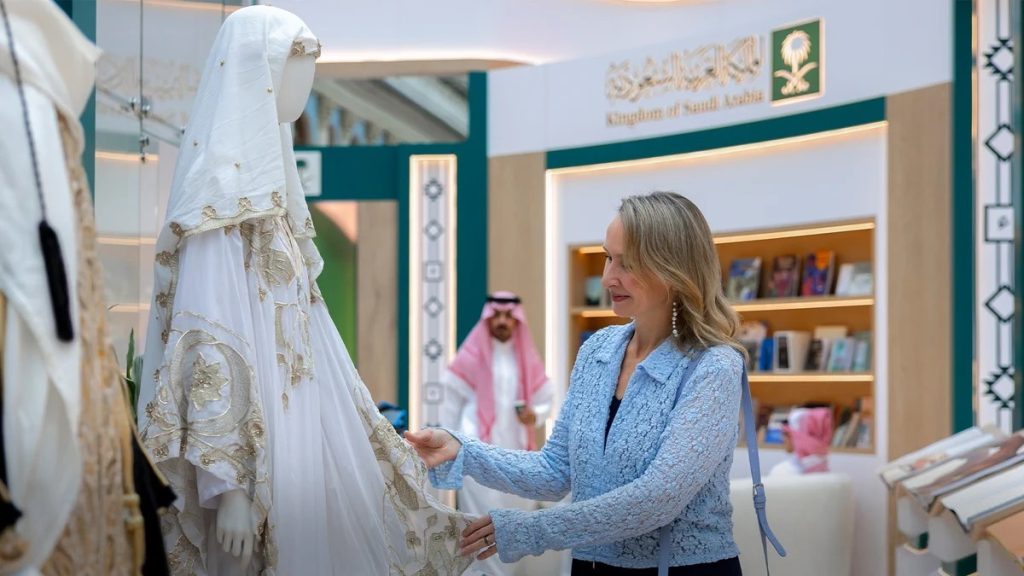
The Saudi pavilion brings together heavyweight institutions, including the King Fahd National Library, the King Abdulaziz Public Library, the King Abdulaziz Foundation for Research and Archives, and the Prince Mohammed bin Salman Global Center for Arabic Calligraphy. Princess Nourah bint Abdulrahman University also joined, showing roughly 89 titles spanning health sciences, design, engineering and the humanities. Alongside the exhibits, poetry evenings and panel discussions put Saudi writers directly in front of a global audience.
Crucially, Moscow isn’t a one-off. Earlier in 2026, the commission led Saudi pavilions at the Cairo International Book Fair, the London Book Fair and the Rabat International Publishing and Book Fair. In Kuala Lumpur, Saudi Arabia went further still, serving as guest of honor. That steady rotation shows a deliberate strategy, not scattered outreach.
The Bigger Cultural Build-out
Culture and books are just one piece of a much larger push. Since the Ministry of Culture launched in 2018, Saudi Arabia has stood up 11 cultural commissions, lifted its cinema ban and built an entertainment sector nearly from scratch. The General Entertainment Authority now oversees thousands of annual events, ranging from Formula 1 to the AlUla Moments festival season. Consequently, culture increasingly functions as an economic sector in its own right, not merely a soft-power accessory.
By the numbers:
- SAR 22 billion ($5.9 billion): Investment behind the 2025-2026 Riyadh Season, spanning 18 zones and more than 10,000 events.
- SAR 24 billion ($6.4 billion): Projected economic impact of that same season, targeting 20 million visitors
- SAR 240 billion ($64 billion): The Kingdom’s publicly stated entertainment investment goal
- 12,600+: Entertainment licenses issued by the GEA since its 2016 launch
- 66: Active cinemas by 2024, up from zero in 2018; the target is 350 by 2030
- 8,500+: Entertainment events held in 2024 alone, drawing 68 million attendances
- 3%+: Target share of GDP from cultural and creative industries under Vision 2030
- 150 million: Revised annual tourism visitor target by 2030, after the Kingdom surpassed its original 100-million goal early
Transforming Domestic and Global Culture
Saudi Arabia actively continues to accelerate its comprehensive National Culture Strategy across multiple key local and international fronts. Locally, the Ministry of Culture nurtures creative talent through specialized academies, regional festivals, and nationwide heritage restoration projects. Internationally, Saudi delegations regularly lead high-profile cultural showcases across Europe, Asia, and the Americas.
Furthermore, the Kingdom views cultural diplomacy as an essential bridge for mutual understanding and economic diversification. Indeed, expanding literary translation initiatives allows native authors to reach global audiences while inviting international thinkers to engage with contemporary Arab thought.
Overall, participation in major global forums like the Moscow International Book Fair demonstrates Saudi Arabia’s firm dedication to international partnership, mutual respect, and intellectual growth. By continuously advancing literature, publishing, academic research, and creative arts, the Kingdom builds an enduring legacy as a vibrant global cultural destination for future generations.
What’s next: The commission says it wants to keep building Saudi publishers’ presence abroad while pulling international publishers toward fairs inside the Kingdom, including the Riyadh International Book Fair. Given the current pace, expect more pavilions, more guest-of-honor slots and more capital flowing into culture as Vision 2030 approaches its next milestones.