Can Corals Be Trained to Resist Disease? KAUST Uncovers the Answer
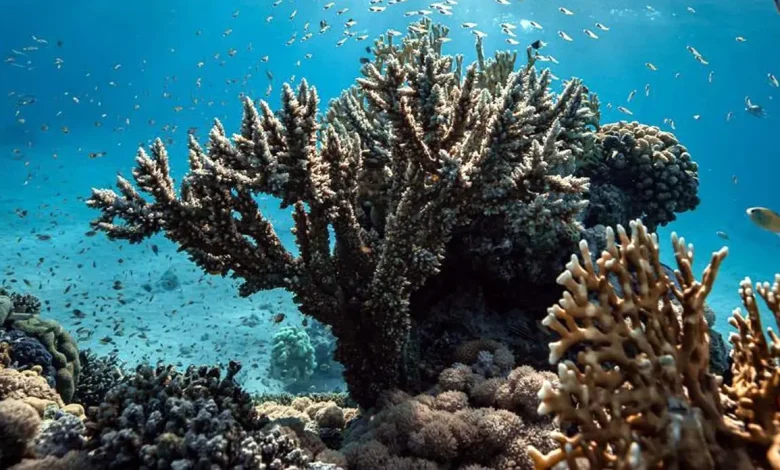
A long-hidden secret of coral resilience has been revealed. Scientists at King Abdullah University of Science and Technology (KAUST) have discovered that corals can be “trained” to better resist disease before an outbreak occurs, opening a promising new front in the global effort to protect and restore coral reefs.
Corals Build Disease Resistance
Published in ISME Host Microbe, the study found that corals exposed to sub-lethal doses or inactive forms of a disease-causing pathogen were able to fight off the same threat when they faced it again.
This process, known as pathogen priming, serves as a defense mechanism that resembles the basic principle of vaccination, which prepare the body for future encounters with disease.
The breakthrough is remarkably significant because it provides the first evidence that corals can develop a protective, immune memory-like response, defeating long-standing assumptions about how these organisms defend themselves against threats.
With coral disease emerging as a serious threat to reefs worldwide, the study’s findings offer compelling evidence of the defensive capabilities of these organisms.
Corals’ Hidden Allies
Commenting on the study, Raquel Peixoto, Professor of Marine Science at KAUST and senior author of the study, underscored that researchers were astonished by finding that corals previously exposed to a pathogen responded more effectively when they encountered the same disease agent again.
Ultimately, the findings conclude that corals can be “trained” to strengthen their natural defenses, highlighting a capability that had never been demonstrated before.
However, the coral is only part of the story. Scientists discovered that pathogen priming also triggered changes in the coral’s microbiome which refers to the diverse community of microorganisms living alongside it and supporting their health.
Together, the findings suggest that the coral’s disease resistance may may emerge from the partnership between the coral and its microscopic allies.
Could This Change Coral Conservation?
Remarkably, the discovery comes at a critical moment as coral reefs are undergoing mounting pressure from warming seas and other environmental pressures.
Disease represents another serious threat, with outbreaks capable of spreading quickly across reefs and coral nurseries, causing widespread losses and hindering restoration efforts.
Yet, the Red Sea may now offer a solution with global potential. The findings could eventually help coral nurseries and restoration programs in other regions strengthen disease resistance before outbreaks occur.
A New Strategy for Reef Survival
Looking ahead, the research is already paving the way for potential real-world applications. The team has filed a patent application related to pathogen priming as a means of reinforcing coral disease resistance. Meanwhile, ongoing experiments are examining whether the approach holds across a wider range of coral species, pathogens and environmental conditions.
More tellingly, success could open the door to a new mechanism of preventive reef conservation, unleashing new horizons for coral nurseries and restoration programs to strengthen corals before disease outbreaks threaten them.
Related Topics:
KAUST Redefines Industrial Gas Separation with Breakthrough Membrane Technology
Genetic Leap: How KAUST Is Rewriting the Future of Plant Biotechnology
KAUST Unveils NESCOD: Electricity-Free Cooling Breakthrough for Hot Climates