
A WMD-Free Region: How Saudi Arabia Leads the Fight Against Chemical Proliferation
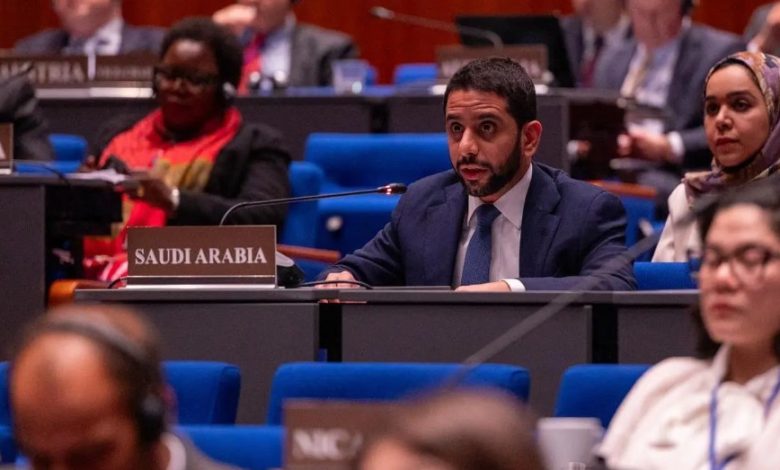
As emerging technologies and non-state actors change the landscape of global security risks, Saudi Arabia‘s uninterrupted seat at the Organization for the Prohibition of Chemical Weapons (OPCW) serves as a critical regional shield against chemical weapons proliferation.
For Riyadh, leadership at the chemical watchdog is a key pillar of a broader push for a Middle East free of all weapons of mass destruction (WMDs) – nuclear, biological, and chemical – ramping up efforts to bolster international cooperation and ensure commitment to international treaties.
A 30-Year Streak
Driving the News: Saudi Arabia has been re-elected to the 41-member Executive Council of the OPCW for the 2027-2029 term, marking its 16th consecutive mandate. The voting took place during the 31st Session of the Conference of the States Parties to the Chemical Weapons Convention (CWC) in The Hague.
Why It Matters: Having held this seat since 1997, the Kingdom leverages its weight to protect Gulf stability, deter non-state threats, and prevent the proliferation of WMDs across the Middle East.
The Call for a WMD-Free Middle East
The Big Picture: Saudi Arabia has maintained a firm stance on WMDs, positioning the CWC as a foundational pillar of its decades-long push for a Middle East zone free of all nuclear, biological, and chemical weapons as well as their delivery systems.
State of Play: Throughout its participation in OPCW forums, Riyadh has reiterated its unwavering commitment to strengthening international cooperation to ban all WMDs and prevent their proliferation, condemning the use of chemical weapons and toxic substances as weapons in all circumstances.
A Binding Treaty: The Kingdom supported the Conference on the Establishment of a Middle East Zone Free of Nuclear Weapons and other WMDs, calling for a legally binding treaty to establish a WMD-free zone across the Middle East. It also expressed concern over the existence of Israeli nuclear facilities outside International Atomic Energy Agency (IAEA) safeguards.
The Syrian Case: Saudi Arabia condemned the use of chemical weapons during Syria’s civil conflict, including the 2018 Douma attack, urging Syrian authorities to comply with OPCW decisions and UN resolutions. Most recently, Riyadh welcomed steps by Syria’s Al-Sharaa government toward dismantling the former regime’s stockpiles and reintegrate Syria into the OPCW.
Non-State Actors: The Emerging Threat
The Context: During the 31st Session of the Conference of the States Parties to the CWC in The Hague, Saudi Arabia’s Ambassador to the Netherlands and Permanent Representative to the OPCW, Shaher bin Khalid Al-Khunaini, called for a firm international stance against Houthi attacks, stressing the need to implement relevant UN Security Council resolutions.
The Backstory: The Iranian-backed Houthi militia has faced growing accusations of using chemical weapons and toxic substances in attacks against the Yemeni people, most notably in Taiz. According to media reports by Arab News, Sheba Intelligence, and European Security and Defense, the Houthis used artillery shells containing toxic or chemical substances during attacks in Taiz in late October 2026, causing breathing difficulties, choking, suffocation, and loss of consciousness. Some reports pointed to Iranian assistance in smuggling chemical precursors or related materials to the militia, although Tehran denied these allegations.
AI: A Double-Edged Weapon
Zoom In: In his remarks, Al-Khunaini praised the OPCW’s efforts in addressing emerging technologies and artificial intelligence (AI). Riyadh has consistently backed international guardrails on AI. It welcomed the outcomes of the Global Conference on the Role of Artificial Intelligence in Advancing the Implementation of the CWC, held in Rabat in October 2024. The conference explored the intersections of AI, chemical disarmament, non-proliferation, and security, addressing the significant risks linked to potential misuse of AI by non-state groups and terrorist organizations.
Between the Lines: Saudi Arabia has leveraged its participation in UN forums, such the UN Security Council, to warn against the exploitation of AI and emerging technologies by terrorist groups in armed conflict and terrorist activities.
Enforcement at Home
The Domestic Shield: The Kingdom’s international efforts are backed by strict domestic enforcement led by the National Authority for the Implementation of the Chemical and Biological Weapons Conventions. Operating under the Foreign Ministry, the Authority oversees border security, monitors dual-use chemicals, and manages OPCW verification inspections across the Kingdom to ensure full compliance with international treaty obligations.
The Bottom Line: Saudi Arabia’s 16th consecutive term on the OPCW Executive Council serves as a strategic shield against both state and non-state chemical threats across the Middle East.