
Unearthing Hidden Heritage: New Archaeology Season Opens Across AlUla & Khaybar
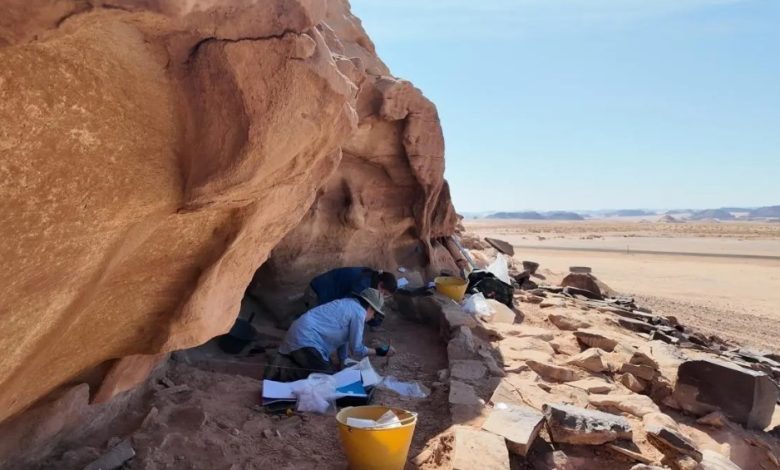
The hidden secrets of ancient trade routes, oasis settlements, and early human life across Arabia are stepping into sharper focus.
With the launch of its 2026–2027 Archaeology Season across AlUla and Khaybar, the Royal Commission for AlUla (RCU) is expanding fieldwork, digital documentation, and conservation to transform our understanding of the civilizations that shaped northwestern Arabia.
A New Chapter in Arabia’s Ancient Past
The Big Picture: The 2026–2027 archaeological fieldwork season across AlUla and Khaybar aims to deepen the understanding of northwest Arabia’s landscape and uncover further evidence of the region’s human history over different periods of time.
Key Themes: The new archaeology season focuses on six main research themes:
- Early human presence.
- Ancient Arabian kingdoms and oasis societies.
- Routes of movement and pilgrimage.
- Environmental history and water management.
- Inscriptions and written heritage.
- Material culture and ways of life.
Why It Matters: The archaeology season underscores the RCU’s commitment to preserving AlUla’s cultural heritage, promoting research and knowledge transfer, and cementing AlUla and Khaybar as two prominent archaeological and historical hubs.
Furthermore, the season includes training programs, workshops, and field mentorship for young Saudi archaeologists, university students, and local heritage stewards, fostering local Saudi talent. These efforts advance the objectives of Saudi Vision 2030 to protect the Kingdom’s cultural identity and national heritage.
Navigating Prehistoric Settlements
State of Play: The new archaeology season aims to expand research across prehistoric settlements, pilgrimage routes, and ancient oasis kingdoms, such as Dadan, Lihyan, and Nabataean civilizations.
- Hegra: Research focuses on the ancient settlement center through specialist studies of plant and animal remains to reconstruct daily life and environmental conditions across multiple historical eras.
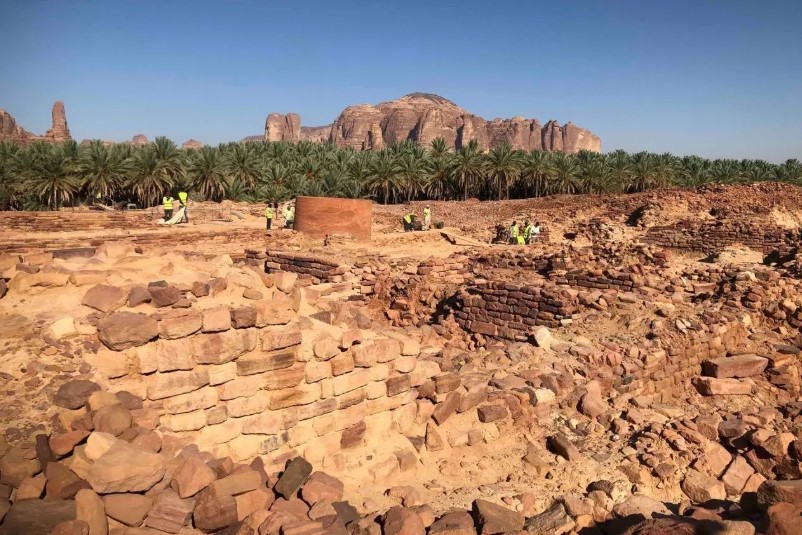
- Dadan: Phase two of the Dadan Archaeological Project builds on five years of previous research, excavating residential and funerary zones to track how this crucial kingdom developed over time.
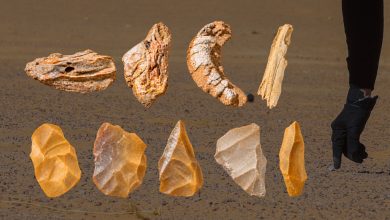
- Khaybar: Fieldwork investigates human-environment interaction across millennia, analyzing Neolithic (New Stone Age) settlements, Islamic-era history, natural resources, and sedimentary records that shaped oasis life.
- South AlUla Trade and Pilgrimage Routes: Survey teams are mapping historic networks of movement, documenting forts, railway stations, and structural remains that connected the region to broader regional trade and pilgrimage corridors.
AlUla: A Treasure Trove of Epigraphs
Zoom In: AlUla holds great archaeological significance as the region is rich in ancient inscriptions that tell the story of ancient communities. Over 25,000 inscriptions and 18,800 rock art panels have been documented across AlUla, decoding the region’s history, languages, and cultural interactions throughout the ages.
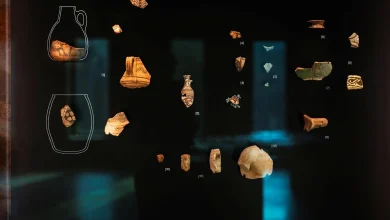
Beyond epigraphs, specialized studies focus on animal remains, ceramics, qanat water systems, oasis water management and material culture to gain deeper insights into aspects of daily life.
Between the Lines: AlUla is home to ancient cultural and heritage sites:
- Hegra: Saudi Arabia’s first UNESCO World Heritage Site and home to over 110 Nabataean tombs carved into red sandstone cliffs.
- Jabal Ikmah: An open-air library featuring nearly 300 inscriptions of the ancient region’s pre-Nabataean Arabic languages, namely Aramaic, Dadanitic, Thamudic, and Minaic.
- Dadan: The capital city of the Dadan and Lihyan Kingdoms from the 1st millennium BCE. It showcases advanced ancient urban planning and unique rock-cut tombs.
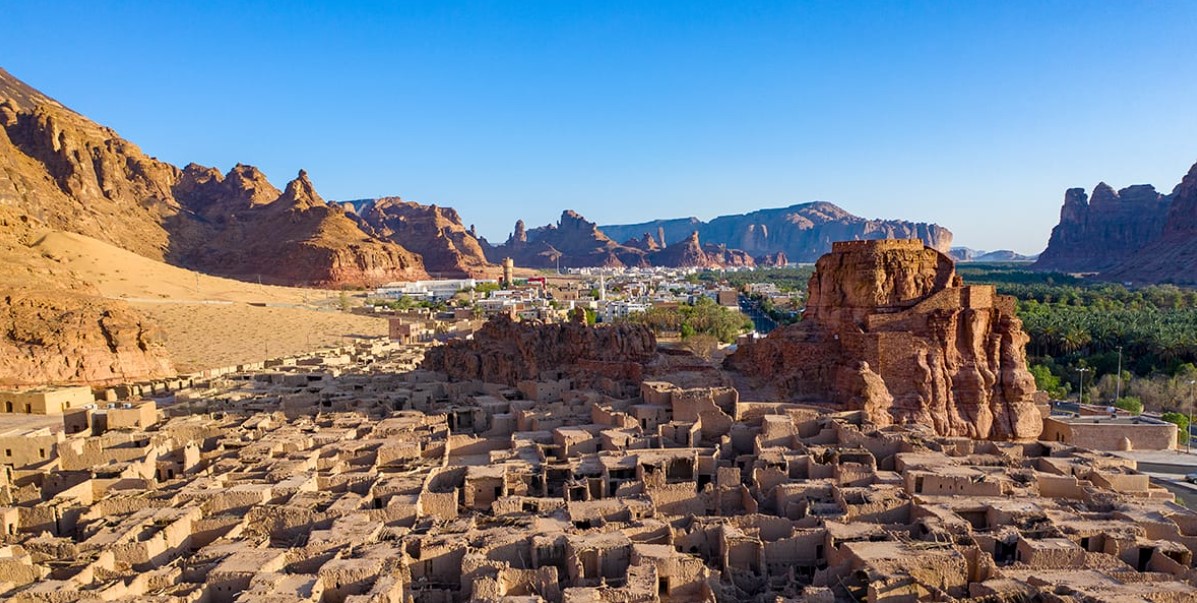
- AlUla Old Town: A preserved heritage village with over 900 mud-brick houses that once served as a vital stop along ancient incense trading routes.
How Science Supports Heritage
Go Deeper: Alongside traditional excavation, the RCU integrates non-invasive, cutting-edge technology and advanced scientific tools to map and analyze ancient sites without compromising their structures. These include:
- Drone-based surveys.
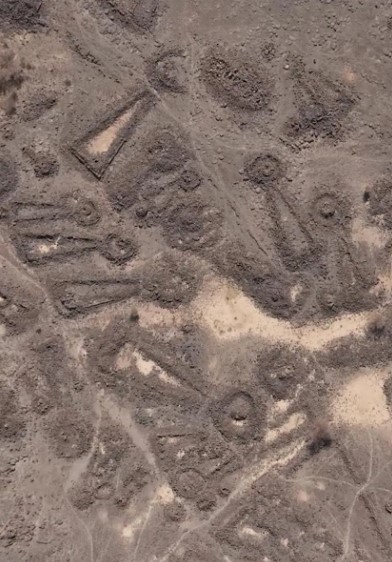
- Satellite imagery.
- 3D modeling.
- Airborne LiDAR and Remote Sensing.
International Collaboration: The season brings together multidisciplinary Saudi and international research teams from top global universities and institutions.
Turning Excavation into a Tourism Engine
The Context: Archaeology in AlUla is the primary anchor of the Kingdom’s cultural tourism strategy, with every new discovery enriching the visitor experience.
How It Works: New archaeological discoveries turn active sites such as Dadan and Hegra into live, open-air experiences where visitors can observe excavations in real time. Ancient inscriptions and scientific research directly inform local storytellers (Rawis) and guides at Jabal Ikmah and AlUla Old Town, transforming technical findings into captivating cultural narratives.
In parallel, the RCU is ramping up efforts for ecological restoration, establishing luxury eco-resorts to create a global model of responsible and regenerative tourism. These efforts are designed to build a sustainable cultural destination that attracts millions of global visitors each year.
The Bottom Line: By bridging ancient history with the future, the 2026–2027 Archaeology Season positions AlUla and Khaybar as a living laboratory, safeguarding national identity while powering a sustainable tourism economy for generations to come.