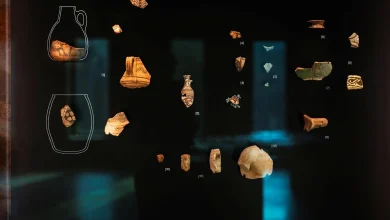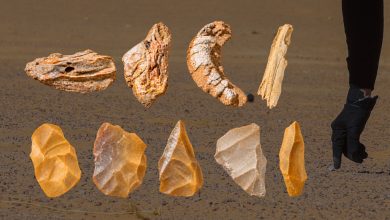

For centuries, pearls held a special place in the commercial life of communities along the Red Sea, connecting maritime resources with trading networks that extended across different regions.
Their value depended not only on their breathtaking natural beauty but also on the precision with which merchants assessed their weight and quality, making specialized weighing instruments an essential part of the trade.
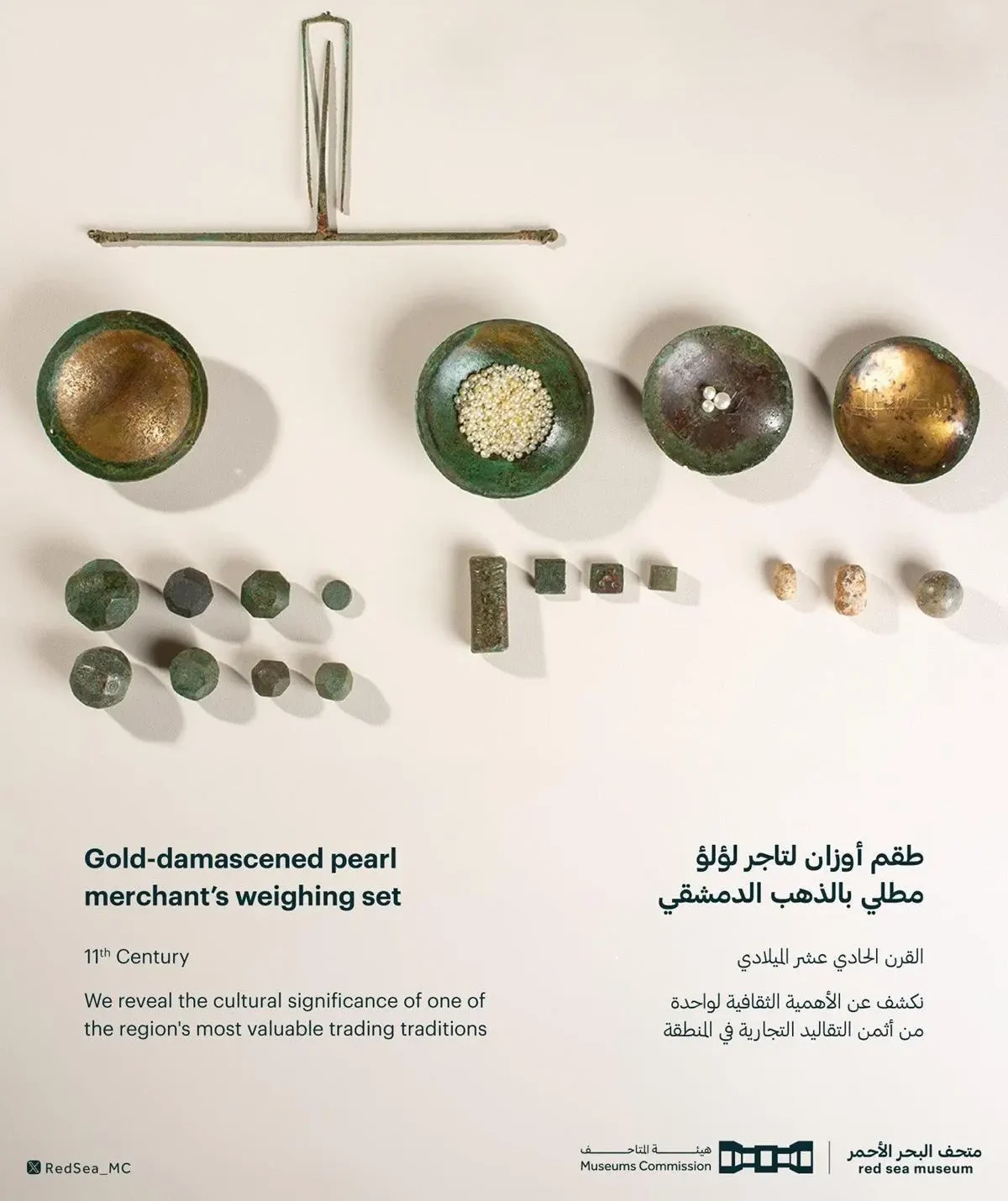
An 11th-century balance scale displayed at the Red Sea Museum in Historic Jeddah offers an exceptional glimpse into these practices, spotlighting the craftsmanship and commercial methods that characterized the period.
Beyond Weight: What Made a Pearl Valuable
The balance served as an essential instrument in pearl trading, enabling merchants to measure the weight of their finds, while sieves with differently sized openings helped classify them according to size, the Saudi Press Agency reported.
Yet the evaluation process extended beyond measurement as merchants considered several characteristics when determining a pearl’s value, including its shape, color, luster and surface condition.
These criteria highlight the careful judgment required to distinguish between pearls and set their commercial worth.
How Did the Red Sea Connect Civilizations?
The museum offers visitors an exclusive opportunity to explore a series of extraordinary layers of the Red Sea’s history, from the maritime routes and commercial networks that crossed its waters to the seafaring journeys that connected distant communities.
Through its collections and cultural experiences, it also explores how maritime activity influenced the social, economic and cultural life of communities along the coast.
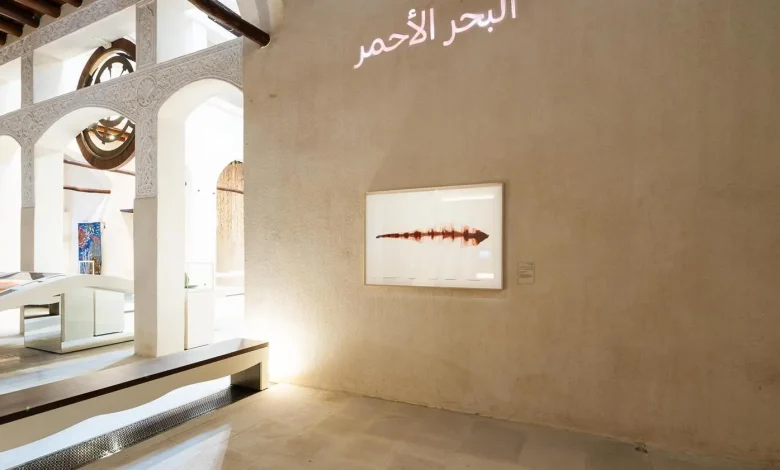
This heritage is closely intertwined with Jeddah’s own history as a crossroads of civilizations. The museum highlights the city’s longstanding connections with international trade, seafaring and cultural exchange, presenting the Red Sea as an important part of the region’s shared history.
Jeddah’s Historic Role as a Gateway to the World
Jeddah’s longstanding relationship with maritime trade and cultural exchange sets the historical backdrop for the Red Sea Museum.
Housed in the historic Bab Al-Bunt Building, the museum is closely linked to the heritage of Historic Jeddah, a city that served as a major port along trade and Hajj routes.
Its position brought pilgrims, merchants and travelers from across the world to its shores, contributing to its development as a centre of commercial and cultural interaction.
The museum explores these connections through a collection of more than 1,000 archaeological and artistic artifacts distributed across seven themes and 23 galleries.
Navigation instruments, historical maps, ceramics, manuscripts, rare photographs, jewelry and coral offer different perspectives on the region’s past, while contemporary artworks by Saudi and international artists connect its heritage with modern artistic expression.
Related Topics:
“Pearls of Emotions”: Saudi Farah Al-Ibrahim Offers Mesmerizing Journey about Pearl Diving
Wooden Ships Festival Transforms Jeddah into Maritime Heritage Hub
Saudi Artist Hussain Alismail Makes History at SASCA Art Gallery in Dammam