Smart Mobility Vision: Saudi Arabia Expands Autonomous Vehicle Across Kingdom Cities
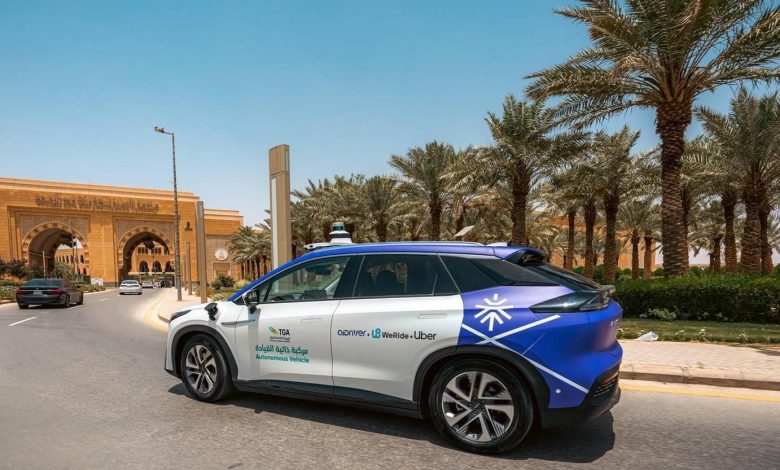
The big picture: Saudi Arabia will soon issue commercial licenses for autonomous vehicles across all cities. Consequently, the Kingdom is transforming its national mobility sector into an AI-driven, highly efficient, and sustainable network. The Transport General Authority (TGA) officially announced this strategic milestone following a successful trial phase in the capital city of Riyadh.
Why It Matters: Autonomous mobility directly advances Saudi Vision 2030 and the National Transport and Logistics Strategy. Furthermore, this forward-looking national initiative positions the Kingdom as a premier regional leader in intelligent transportation systems and smart city innovations.
TGA launched Riyadh’s self-driving vehicle pilot in July 2025. The trial fell under the National Transport and Logistics Strategy, and engineers used it to test and refine the regulatory framework first.
TGA president Eng. Fawaz Al-Sahli highlighted this crucial achievement during an interview with Asharq Al-Awsat.
“We started the experimental phase in Riyadh to prepare the regulatory environment, and we modified Kingdom regulations to accommodate these vehicles,” Al-Sahli said.
Key highlights:
- Zero Incidents: Authorities recorded no traffic accidents during the entire comprehensive testing period in Riyadh.
- Nationwide Rollout: “The expansion phase will begin and will include all cities across the Kingdom,” Al-Sahli confirmed.
- Regulatory Frameworks: Officials thoroughly tested regulations and will issue commercial licenses for driverless operations shortly.
- Smart AI Integration: Autonomous vehicles utilize artificial intelligence, cameras, radar, and lidar sensors to analyze surroundings in 3D and navigate safely.
Building National Capability and Specialized Rail Talent
Simultaneously, Saudi Arabia is investing heavily in high-quality human capital to support massive national infrastructure expansion. King Abdulaziz University (KAU) and the TGA recently launched the Kingdom’s first specialized bachelor’s degree in rail transport. KAU President Dr. Tariq Al-Aama attended the landmark launch ceremony alongside prominent industry leaders and government officials.
“Today, the Kingdom is embarking on massive railway projects that require qualified national cadres for execution, operation, and maintenance,” Al-Sahli stated.
Additionally, the Saudi transport sector workforce grew by more than 250% over the past four years. Consequently, officials expect even faster workforce expansion as major Vision 2030 mobility projects advance toward completion.
Expanding Public Transit and Preparing for Global Events
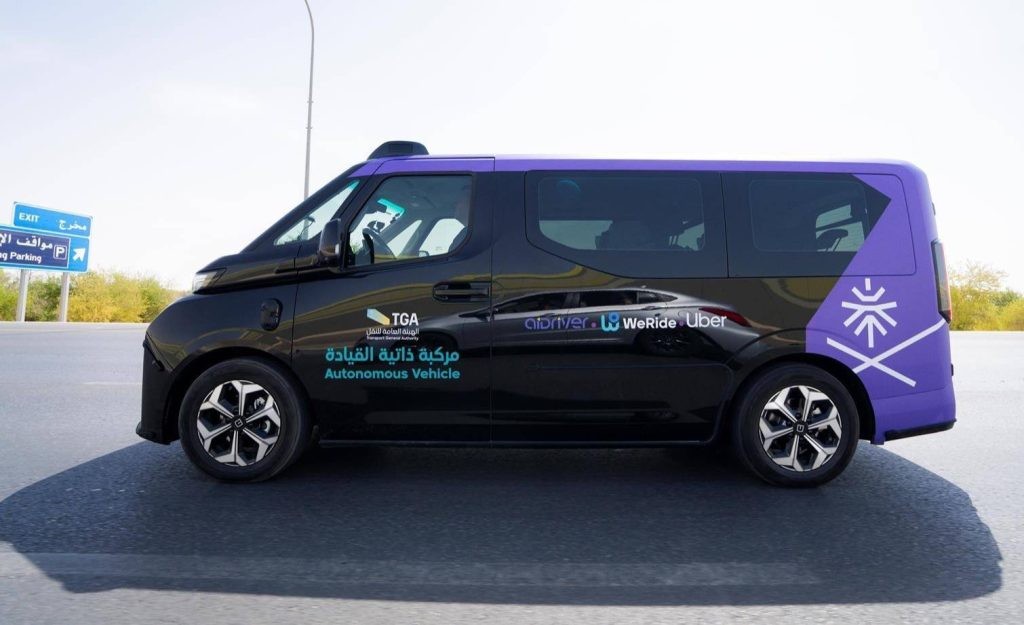
Saudi Arabia’s autonomous mobility sector has expanded quickly since the Riyadh pilot began. Chinese firm WeRide secured the kingdom’s first commercial autonomous driving permit. It completed TGA’s regulatory sandbox and now runs robotaxi services alongside Uber and local partner AiDriver. Delivery platform Jahez has also rolled out autonomous robots for food delivery in Riyadh’s ROSHN Front district.
Meanwhile, Saudi regulator SASO plans to bring formal autonomous-vehicle rules into force in April 2026. National planners are targeting a 25% share of fully autonomous goods-transport vehicles by 2030.
Strategic expansion:
- Urban Networks: Authorities successfully launched the comprehensive Riyadh Metro and bus network while expanding Jeddah’s bus system.
- Multi-City Footprint: Public transport transformation projects now operate successfully and efficiently across more than 17 Saudi cities.
- Institutional Alignment: The TGA maintains continuous coordination with Royal Commissions, spatial authorities, and city municipalities to expand networks.
By the numbers:
- 17+ Cities: Public transportation projects now serve citizens and visitors across more than seventeen major Saudi urban centers.
- 100,000 Jobs: Sector leaders aim to expand transport employment from 13,000 today to 100,000 skilled opportunities by 2030.
- 5x Growth: The national railway and transit workforce expanded more than two and a half times over four years.
- 3D Mapping: Sensors continuously collect spatial data, allowing autonomous vehicles to navigate streets with precise accuracy and zero safety incidents.
What’s next: Looking ahead, Saudi Arabia will roll out full autonomous vehicle licensing guidelines across all administrative regions. Meanwhile, academic institutions will expand technical training partnerships to equip young Saudis with essential engineering skills.
Overall, these integrated developments ensure seamless urban mobility across all regions. In addition, they generate thousands of localized technology careers for citizens and establish Saudi transport infrastructure as a world-class global industry benchmark.