


Saudi Arabia’s King Salman Humanitarian Aid and Relief Center (KSrelief) has boosted its efforts to enhance food security in Yemen, joining forces with the UK to support vulnerable groups in the country.
The Kingdom has been a primary supporter for Yemen’s stability, security, and development, mobilizing efforts to alleviate the suffering of the Yemeni people and help them achieve their aspirations.
A $10 Million Shield
Driving The News: KSrelief’s Supervisor-General Dr. Abdullah Al-Rabeeah signed a cooperation agreement on Tuesday, July 14, 2026 with acting executive director of the UN World Food Program (WFP) Carl Skau via video conference, with the presence of UK Deputy Ambassador to Saudi Arabia Dr. Alice Burt.

The Big Picture: According to the Saudi Press Agency (SPA), KSrelief and the UK Foreign, Commonwealth and Development Office (FCDO) will each allocate $5 million financial package to the WFP to support vulnerable groups in Al-Mahrah, Hadhramout, Aden, Al-Dhale, and Lahij governorates and strengthen their resilience.
Building Resilience
The agreement aims to boost long-term resilience by helping vulnerable families restore productive assets, improve resilience to climate shocks, meet immediate food needs, protect livelihoods, and reduce reliance on humanitarian assistance over time.
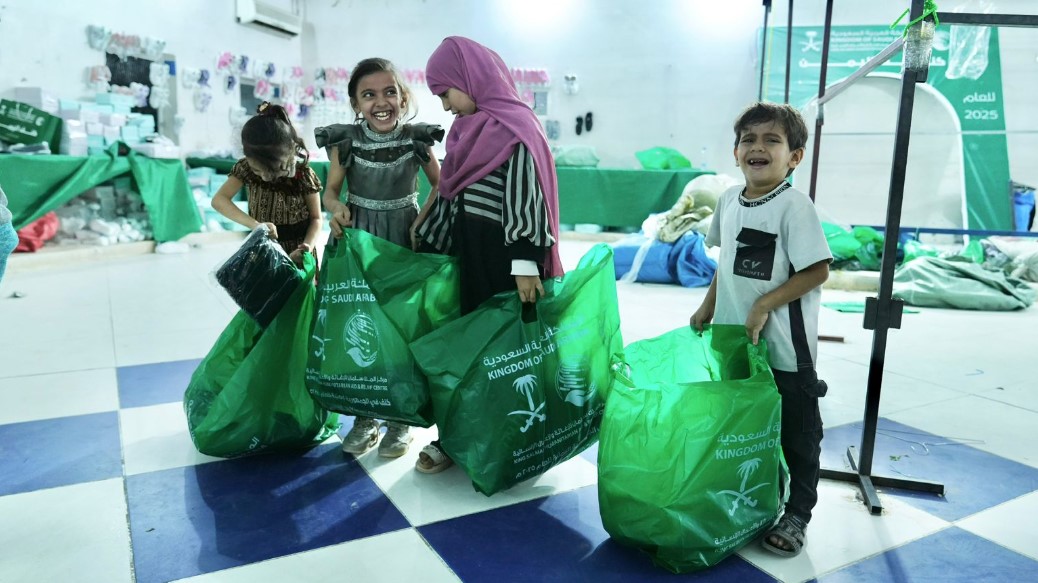
How It Works: The project aims to provide asset-creation support activities for beneficiaries and enhance their access to food through conditional cash transfers.
It will rehabilitate productive infrastructure and help targeted households transition out of Phase 4 acute food insecurity. Furthermore, it will build beneficiary skills through vocational training, empower local authorities, and activate governance frameworks to ensure the sustainable management of community assets.
The Impact: The joint effort will support more than 400,000 people, underscoring a shared commitment by Saudi Arabia and the UK to back WFP’s efforts to address hunger and support long-term stability in Yemen.
Yemen’s Food Crisis
Millions in Yemen are enduring severe food insecurity amid protracted crisis, conflict-induced economic deterioration, and displacement as well as climate-related shocks.
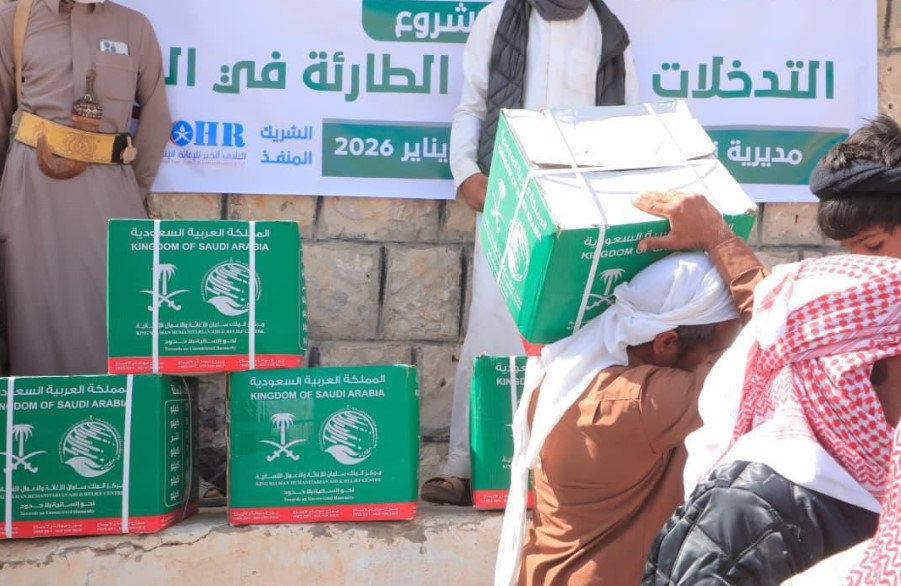
The Challenge: The UN Office for the Coordination of Humanitarian Affairs (OCHA)’s latest data painted a grim outlook for 2026.
- Over 22 million people require humanitarian assistance.
- 3 million people face acute food insecurity.
- More than 2 million children under five are acutely malnourished.
- 3% of health facilities are fully functional.
KSrelief Humanitarian Footprint
As Saudi Arabia’s humanitarian arm, KSrelief has spearheaded efforts to support the development of Yemen, focusing on supporting the country’s agricultural sector, empowering farmers, and improving rural families’ standard of living.
The Proof: In June 2026, KSrelief signed a cooperation agreement with a civil society organization to support farmers and boost food security in Yemen’s Hadhramaut and Socotra governorates. As part of the Bathraa Initiative, the agreement targets 800 direct and 6,500 indirect beneficiaries.
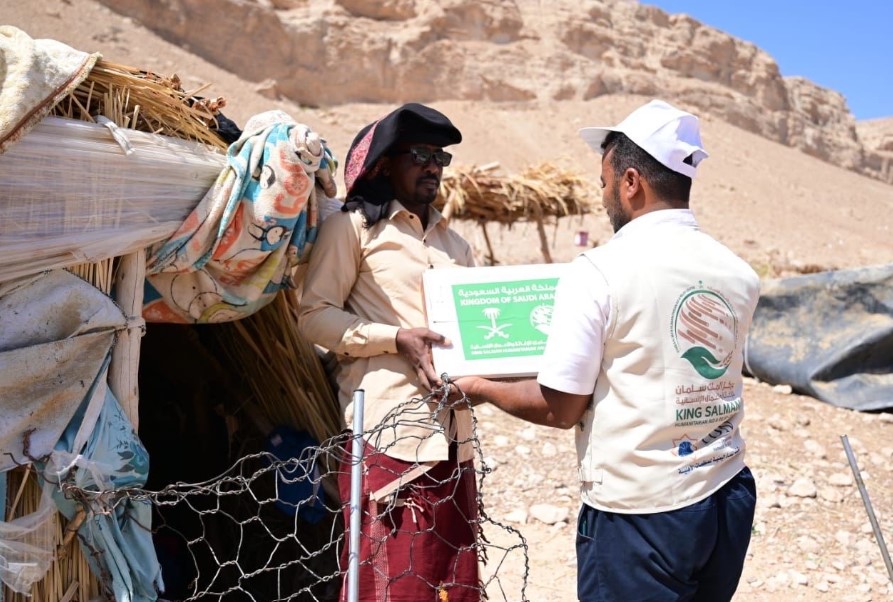
By The Numbers: Yemen receives the largest share of Saudi aid channeled through KSrelief, since its establishment in 2015.
- 1218 projects totaling more than $4.8 billion.
- 157 food security projects worth over $1.5 billion.
Saudi Arabia’s Expanded Efforts
KSrelief’s aid efforts are complemented by the Saudi Program for Development and Reconstruction of Yemen (SDRPY), which coordinates with the Yemeni government to ensure project planning, implementation, and evaluation efficiency.
So far, it has implemented 268 projects and initiatives across more than 14 Yemeni governorates. Covering 8 development sectors, the cost of these projects amounted to $1.140 billion.
In March 2026, SDRPY partnered with the Estijabah Foundation for Humanitarian Aid and Relief to implement a project aimed at bolstering the agricultural value chain for smallholders and enhancing food security, in addition to fostering social stability.
Spanning the agriculturally and economically vital governorates of Abyan, Marib, and Hadhramaut, the initiative supports approximately 2,300 Yemeni families, reaching more than 16,000 individual beneficiaries.
The Bottom Line: By investing heavily in infrastructure and local resilience, Saudi Arabia – through KSrelief and SDRPY – is protecting Yemen’s most vulnerable populations from global economic shocks and transforming temporary aid into permanent stability.