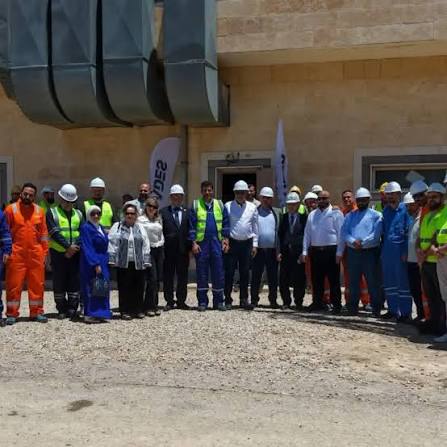
Saudi drilling giant ADES has officially commenced the executive phase of a major gas rehabilitation project in central Syria. Consequently, this initiative marks the first significant Saudi energy investment in the country in over a decade.
The Syrian Petroleum Company (SPC) recently delivered several key gas fields in the Central Region to ADES technical teams. Therefore, engineers have already started on-site operations to restore infrastructure and optimize extraction rates. This ambitious campaign targets a massive 50 percent increase in Syrian gas production within just twelve months.
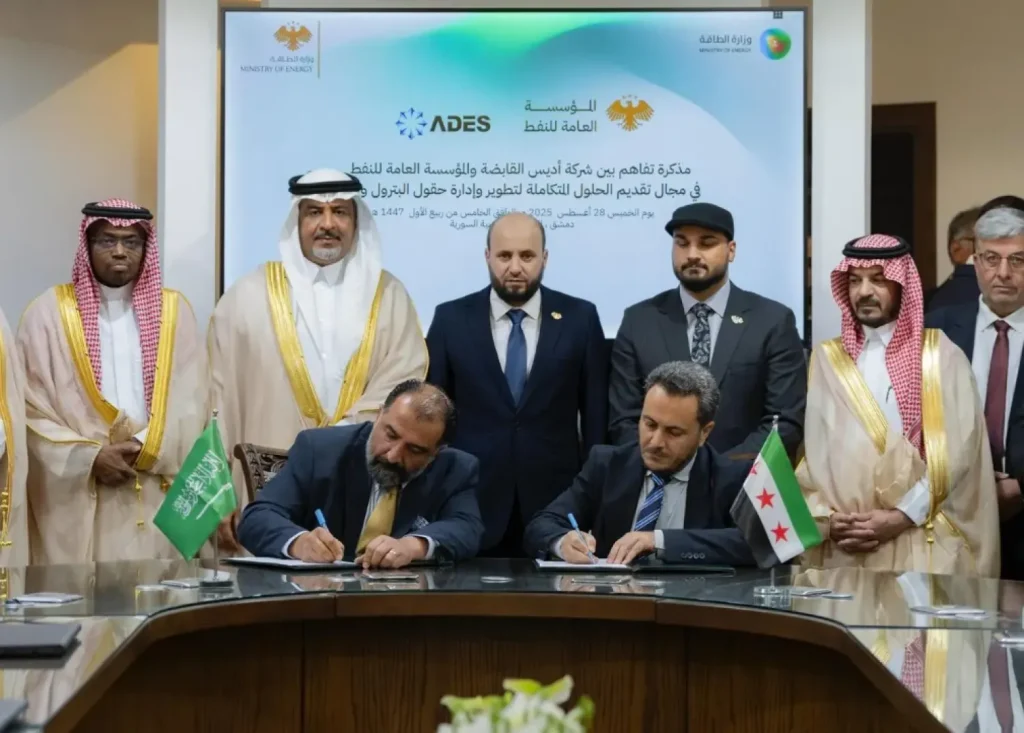
Why it matters: Syria currently suffers from acute energy shortages, which severely cripple its domestic electricity grid and industrial sectors. Additionally, this joint venture offers a practical solution to Damascus’s chronic fuel deficits by restoring local production capabilities.
The big picture: Geopolitical shifts in the Middle East paved the way for this landmark agreement. Specifically, the normalization of diplomatic relations between Riyadh and Damascus in 2023 reopened doors for bilateral economic cooperation. This energy deal represents the most concrete economic fruit of that diplomatic thaw to date.
Furthermore, regional analysts view the move as a calculated step by Riyadh to reassert its economic influence in the Levant. By investing in Syria’s critical infrastructure, Saudi Arabia helps stabilize a neighboring Arab state while securing a strategic foothold in its energy recovery. This active approach supports Riyadh’s vision of a highly interconnected region.
A Strategic Energy Lifeline
The contract requires ADES to deploy advanced drilling technologies to rehabilitate aging wells. These strategic fields sit primarily within the resource-rich Homs countryside. Meanwhile, Syrian energy officials express high optimism about the partnership. “This project will significantly alleviate our national energy crisis,” stated an official from the Syrian Petroleum Company. Local technicians will collaborate closely with Saudi engineers throughout this process.
Currently, the country relies heavily on expensive fuel imports and unreliable supplies. Therefore, boosting domestic gas production will directly improve daily electricity generation for millions of citizens. It will also power local manufacturing plants, which serves as a vital step toward broader economic recovery.
Geopolitical and Economic Realignment
Historically, Gulf nations maintained a distance from Damascus during the decade-long conflict. However, the current strategy emphasizes economic pragmatism and regional stability over past political divisions. Riyadh seeks to foster regional prosperity through targeted investments in infrastructure, logistics, and energy.
Moreover, ADES brings world-class expertise to a Syrian energy sector that has languished under technological isolation. The Saudi firm operates a vast fleet of drilling rigs across the Middle East and North Africa, which ensures high efficiency and adherence to global safety standards. This project aligns with the company’s broader international growth strategy.
What’s next: Technical teams will focus on the first phase of well interventions over the coming weeks. Subsequently, ADES plans to introduce modern compression stations to sustain long-term reservoir pressure. If the project achieves its initial goals, both parties will likely discuss broader expansion phases. Ultimately, this partnership could serve as a template for future Saudi investments in other vital Syrian sectors, including transport, agriculture, and housing reconstruction.