Outgoing UK PM Starmer Unveils Major Defence Budget Boost Amid Rising Threats
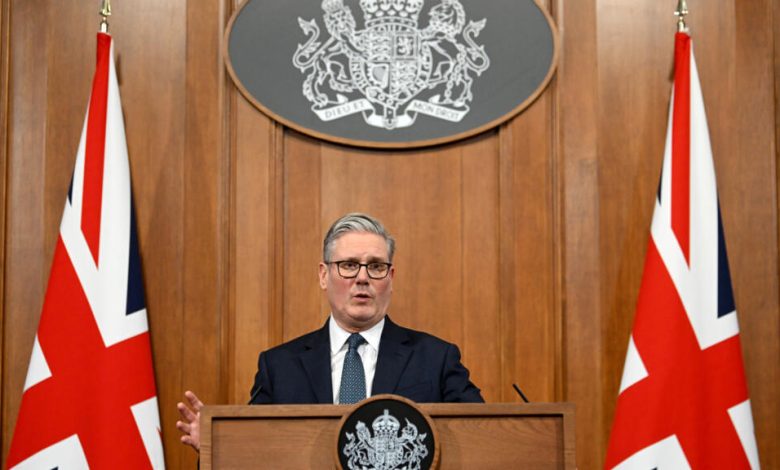
Outgoing UK Prime Minister Keir Starmer announced on Tuesday that Britain will spend a “record” sum of nearly £300 billion ($397 billion) over the next four years to modernise its armed forces, as the country confronts mounting global security threats.
Starmer unveiled an additional £15 billion in defence funding through 2030 when he launched the long-awaited Defence Investment Plan (DIP), which the government will publish later on Tuesday. Consequently, the plan will channel greater resources towards drones and autonomous systems, reflecting how modern warfare continues to evolve.
“This record investment puts the security of the British public first, transforming our armed forces and giving them the funding and equipment they need to fight and defend our nation,” Starmer said.
Prioritizing Drones and Autonomous Systems
The plan allocates more than £5 billion for drones and autonomous systems over four years, according to the Ministry of Defence (MoD). As a result, Britain’s capabilities will soon range from highly complex autonomous mine-hunting drones to small tactical quadcopters and low-cost one-way attack drones, the MoD noted.
Indeed, the conflicts in Ukraine and Iran have underscored the growing role of war-fighting robots. Ukraine deploys roughly 200,000 drones monthly against Russia’s invasion, while Iran, Israel and the US launched 700 offensive drones daily at the height of their recent confrontation, the MoD said.
Meanwhile, US President Donald Trump has urged NATO members to raise defence spending to five percent of economic growth by 2035 and reduce their reliance on Washington for security. Under the new plan, Starmer said Britain’s defence spending will reach 4.2% of gross domestic product (GDP).
Political Turmoil
Nevertheless, the announcement arrives amid significant political upheaval, as two defence ministers resigned earlier this month over the plan, including Defence Secretary John Healey, who warned it risked making Britain “less safe.” These resignations exposed Starmer’s weakening grip on power.
Starmer subsequently announced on 22 June that he would step down after Labour MPs shifted their support to veteran politician Andy Burnham, who will assume the premiership in mid-July if unchallenged for the party leadership.
Still, Starmer defended his legacy, calling the plan “game-changing investment” and telling reporters: “I am absolutely certain that this is the platform on which whoever comes after me can build.”
However, opposition Conservative defence spokesperson James Cartlidge dismissed the plan as “too little, too late,” accusing Starmer of rushing it through for personal legacy reasons.