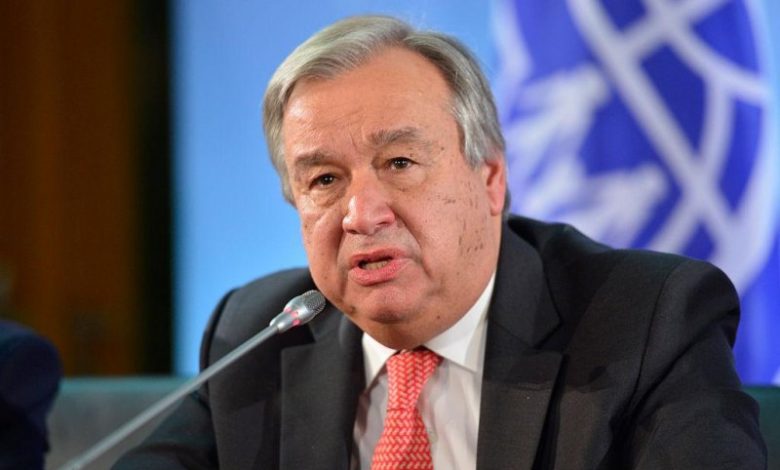
UN Secretary-General Antonio Guterres warned that the New START treaty’s expiration creates a perilous turning point for global security worldwide. The landmark agreement officially lapses on Thursday, leaving Washington and Moscow without legally binding constraints on their massive nuclear arsenals. Consequently, the planet now enters an unprecedented period without verified limits on the two nations possessing most nuclear weapons globally.
Guterres described this moment as a “grave” development for international peace and stability across continents. He emphasized that arms control agreements between these superpowers historically prevented catastrophic nuclear escalation throughout decades of tense relations. Furthermore, these frameworks significantly reduced miscalculation risks during numerous international crises that threatened global security.
Verification Systems Vanish Amid Rising Tensions
From early Cold War accords through New START, bilateral deals eliminated thousands of nuclear warheads successfully over time. These agreements also established rigorous verification systems that increased transparency and built essential trust between rival nations. However, the collapse of these critical frameworks arrives amid escalating geopolitical conflicts and rapid weapons technology advancements worldwide.
Guterres stressed that nuclear weapons use now poses the highest risk level witnessed in recent decades. Therefore, he urgently called on both countries to immediately resume negotiations for a new comprehensive agreement. He insisted fresh talks must restore verifiable limits while reducing global nuclear dangers substantially.
The Treaty’s Legacy and Future Challenges
The New START treaty originally launched in 2010 before entering force during 2011 replacing earlier Cold War frameworks entirely. It served as the final major nuclear arms control pillar between these two dominant nuclear superpowers for years. Meanwhile, experts warn that rebuilding arms control architecture will prove exceptionally difficult amid current diplomatic fractures.
Guterres remains cautiously optimistic that renewed dialogue could eventually strengthen international security architecture once again. However, time grows short as modernization programs accelerate across multiple nuclear-armed states globally. The secretary-general urged world leaders to prioritize diplomacy before irreversible damage occurs to global stability.