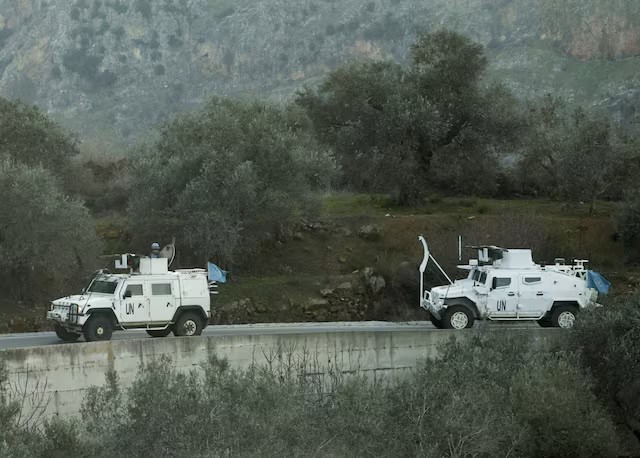
The United Nations Security Council will vote on Thursday to extend the mandate of the peacekeeping mission in Lebanon (UNIFIL) until the end of 2026. After that, the mission will begin a year-long phased withdrawal, marking the final renewal of a mission that has been in place since 1978.
Diplomats, speaking on condition of anonymity, revealed that the 15-member council will adopt a French-drafted resolution which the members reached after a compromise with the United States, a veto-wielding member. The draft text requests UNIFIL to cease operations by 31 December, 2026, and start its withdrawal in close consultation with the Lebanese government, with the aim to transition security responsibilities solely to Lebanon.
UNIFIL currently patrols Lebanon’s southern border with Israel and its mandate, renewed annually, expires on 31 August as the extension will ensure continuity while planning begins for the drawdown.
Expansion of Mandate and Ongoing Challenges
In 2006, UNIFIL’s mandate expanded following a month-long war between Israel and Hezbollah. The expanded role allowed peacekeepers to assist the Lebanese army in securing southern Lebanon. However, this has led to friction with Hezbollah, which effectively controls the region despite the presence of Lebanese forces. Hezbollah remains a heavily armed political force and Lebanon’s most powerful political entity.
The United States brokered a truce between Lebanon and Israel in November, ending over a year of conflict linked to the war in Gaza. Now, Washington is promoting a plan for Hezbollah’s disarmament. This plan ties into a broader strategy that includes a phased Israeli withdrawal from southern Lebanon. Additionally, the US and Gulf nations are backing an economic development zone in southern Lebanon to reduce Hezbollah’s dependence on Iranian funding.
The upcoming vote signifies a significant shift in the long-standing UNIFIL mission. While the extension ensures stability for now, the planned withdrawal reflects changing dynamics in the region. The international community will closely monitor the transition, especially given the complex political landscape involving Hezbollah, Israel, and Lebanon’s government.