

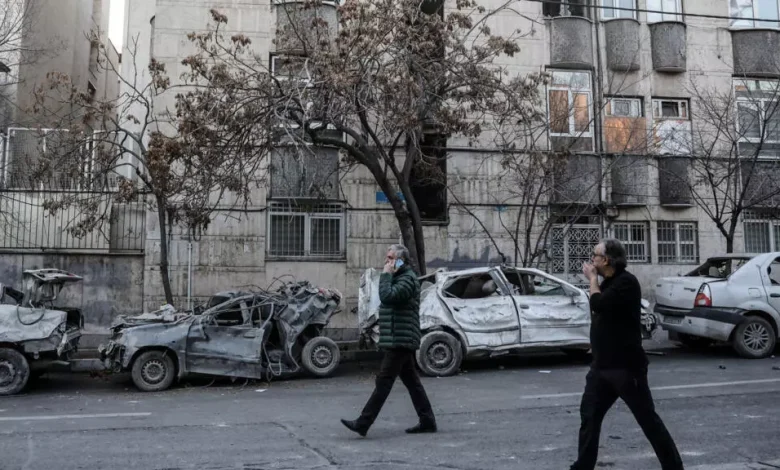
Iranian authorities are currently issuing stern warnings to citizens who bypass a massive communications blackout. This digital shutdown leaves the Islamic Republic almost entirely disconnected from the global community.
Connection Levels Plummet Amid Conflict
Internet connectivity in Iran now runs at approximately one percent of normal levels. Consequently, millions of Iranians struggle to access basic information, navigation tools, or essential communication applications. Those using Virtual Private Networks (VPNs) to circumvent controls received threatening phone messages on Thursday.
The authorities delivered a clear ultimatum to the population regarding their digital behavior. “If you repeatedly connect to the international internet, your line will be blocked,” the official messages warned citizens.
A resident in Tehran informed reporters that speeds remain incredibly slow under the current restrictions. “You cannot call and voice messages do not get delivered. We can only send simple text messages,” the resident noted.
The government cut access on Saturday after the United States and Israel launched significant air strikes against the country. These military operations continued for a sixth consecutive day, further complicating the internal security situation.
Communication from overseas to Iranian landlines remains nearly impossible during this period. Simple tasks like checking on relatives or using navigation tools like Google Maps have become entirely impossible for the local population.
Citizens Turn to Satellite Solutions
Some Iranians now use illegal Starlink terminals to maintain contact with the outside world. However, the government successfully disrupted similar satellite connections during previous national protests in January.
The “internet situation here is abysmal,” a resident in western Iran shared via a sporadic connection. Human rights organizations confirm that documenting civilian deaths becomes significantly harder when the state imposes such severe communication barriers.
Iranian exiles now struggle with extreme uncertainty regarding the safety of their families. Many live with constant anxiety because they do not know if their loved ones found adequate shelter from the ongoing strikes.
This digital isolation marks a recurring strategy for the Iranian state during times of intense military or civil conflict. Authorities previously disconnected the population during the 2022 mass protests and the June conflict with Israel.