
Supporting Sudan’s Sovereignty: Saudi Arabia Denounces Khartoum Drone Strikes
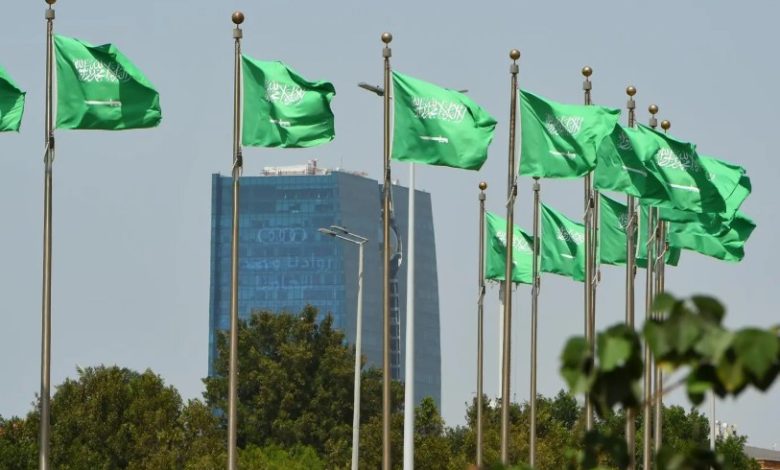
Saudi Arabia has condemned drone attacks on Sudan’s capital, Khartoum, reiterating its steadfast support for the country’s stability and sovereignty.
Since the outbreak of the conflict, Riyadh has been firm in its stance, advocating for a peaceful solution that preserves Sudan‘s unity and territorial integrity while providing humanitarian relief to alleviate the suffering of the Sudanese people.
Riyadh’s Categorical Rejection
Driving the News: The Saudi Foreign Ministry issued a statement on Sunday, November 22, 2026, voicing the Kingdom’s strong condemnation of the drone attacks on Khartoum, which targeted civilian facilities and a UN building, resulting in civilian casualties and property damage.
The Big Picture: Saudi Arabia categorically rejected these “flagrant” attacks, stressing the need to respect international humanitarian law, protect civilians and civilian infrastructure, safeguard the premises and personnel of international organizations, and spare the Sudanese people further suffering.
What It Said: “The Kingdom reaffirms its firm position in support of preserving Sudan’s security, stability, unity, sovereignty, and legitimate institutions.” – Saudi Arabia’s Foreign Ministry.
The Khartoum Attack: What to Know
Zoom In: Early on Sunday, November 22, drone strikes hit residential areas in and around Khartoum, damaging residential homes and a UN building. In a statement, the UN Resident and Humanitarian Coordinator in Sudan, Denise Brown, said that the drones targeted a UN premises in a civilian neighborhood, “with UN colleagues in the building.” According to local media, the attacks have killed at least four people and injured 10 others.
The Target: A military source told Al-Arabiya that the drone attack was targeting Khartoum International Airport.
Foreign Complicity: Al-Arabiya and AFP reported, citing Sudanese military sources, that the drones targeting Khartoum were launched from Ethiopia. Khartoum has repeatedly accused Addis Ababa of allowing the Rapid Support Forces (RSF) to use its territory to launch attacks against Sudan – allegations that Ethiopia has denied.
The Humanitarian Crisis in Sudan
The Context: The war in Sudan broke out in April 2023 between the RSF and the Sudanese Armed Forces (SAF). The conflict has killed over 200,000 people, displaced millions, and pushed parts of the country into famine amid cholera outbreaks, triggering the world’s largest humanitarian and displacement crisis. According to UN data, around 34 million people in Sudan are currently in need of humanitarian assistance, while more than 19 million face starvation. Meanwhile, over 15 million people have been displaced, and more than 8 million children have been deprived of school as the country’s education and healthcare systems have collapsed.
Drone Warfare: The use of drones in Sudan has recorded a surge, accounting for the majority of documented civilian deaths in 2026. From January to June 2026, more than 80% of civilian casualties were the result of drone strikes. According to the UN Human Rights Office (OHCHR), over 1,630 people were killed by drones from January until the end of October.
Saudi Arabia’s Push for Peace
State of Play: Since the outbreak of the conflict, Saudi Arabia has spearheaded diplomatic efforts to achieve a political solution that supports a sovereign and unified Sudan anchored by legitimate state institutions and an internationally recognized government. These efforts have been centered on two key initiatives:
- The Jeddah Declaration: Signed in May 2023 with the co-facilitation of the US, the Jeddah Declaration of Commitment to Protect the Civilians of Sudan establishes the primary framework for de-escalation, ensuring safe passage for civilians fleeing war zones, protecting critical civilian infrastructure, and mandating unhindered access for humanitarian aid.
- The Quad Mechanism: Comprising Saudi Arabia, the US, Egypt, and the UAE, the Quad mechanism is a framework focused on supporting peace efforts in Sudan through a civilian-led, Sudanese-Sudanese political transition.
Between the Lines: Riyadh has also backed regional and international peace initiatives, including the Quintet – a five-member international and regional diplomatic group comprising the African Union (AU), the Intergovernmental Authority on Development (IGAD), the Arab League (AL), the European Union (EU), and the UN.
Riyadh’s Humanitarian Drive
Go Deeper: Saudi Arabia has extended a vital lifeline to the Sudanese people, providing more than $3.2 billion in financial, economic, and emergency support for Sudan. The King Salman Humanitarian Aid and Relief Centre (KSrelief) is leading these efforts through its affiliated programs, such as the Sahem platform for fundraising, the Saudi Voluntary Program in Sudan (Athar), and the Sudan Madad project.
Catch Up Quick: KSrelief’s latest data shows that the center has implemented 296 projects in Sudan with a total cost of $199.5 million.
The Bottom Line: The Saudi Foreign Ministry’s statement underscores the Kingdom’s firm advocacy for Sudan’s sovereignty and international law. This diplomatic stance is backed by sustained humanitarian relief to alleviate the suffering of the Sudanese people.