Saudi Arabia’s annual inflation rate reached 1.8% in July 2026, and housing costs remained the main driver, the General Authority for Statistics (GASTAT) reported. The kingdom still holds one of the lowest inflation rates in the Gulf, even as rents and utility bills continue to climb.
Why it matters: Inflation directly shapes household budgets and business costs across the Kingdom. Consequently, Saudi policymakers are watching rents and utilities closely as Vision 2030 megaprojects fuel demand for housing and infrastructure.
Housing Drives Main Inflation Pressure
By the numbers: Housing, water, electricity, gas and other fuel prices jumped 4.2% year-on-year, and this single category contributed 0.8 percentage points to the overall inflation rate. Actual housing rents specifically rose 4.3%, which suggests demand for residential property remains strong.
Meanwhile, several other categories also pushed prices higher:
- Personal care and other goods and services rose 2.9 percent, largely because jewelry and watch prices jumped 12 percent.
- Entertainment, sports and culture prices climbed 2.4 percent, driven by a 3.7% rise in holiday packages.
- Food and beverage prices increased 1.5 percent, while transport costs rose 1.4 percent.
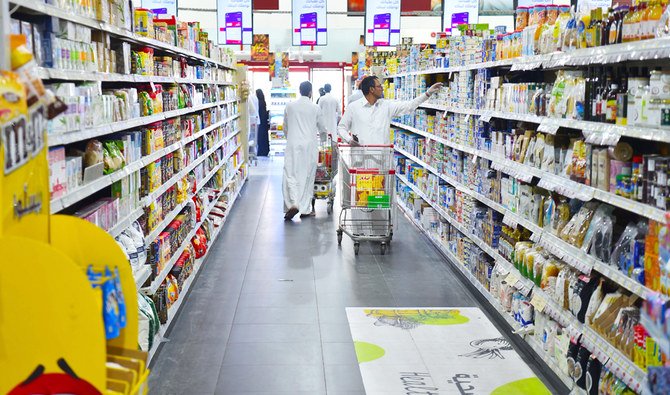
However, not every category moved upward. Furnishings and household equipment prices actually fell 0.5 percent, and clothing and footwear costs dropped 0.4 percent, offering some relief to shoppers.
On a monthly basis, the Consumer Price Index (CPI) rose just 0.2% in July compared with June. Electricity, gas and other fuel prices climbed 7.1% month-on-month, which pushed the broader housing category up 0.9%. Restaurant and accommodation prices also increased 0.5%, and entertainment costs rose 0.4%.
Regional Comparison
Saudi Arabia’s inflation rate still compares favorably with its Gulf neighbors. Bahrain recorded 2.3% inflation in July, while Oman posted 2.8%, both notably higher than the kingdom’s figure.
Looking ahead, the International Monetary Fund expects Saudi inflation to average 2.2% in 2026, with higher shipping and insurance costs likely offset by softer rent inflation and government price controls on some fuel and food items. Therefore, analysts expect price pressures to ease gradually rather than spike sharply.
What’s next: Officials will likely continue monitoring the housing sector as new supply comes online through Riyadh’s giga-projects. If rental growth cools as the IMF projects, overall inflation could stabilize further in the coming months. For now, though, housing remains the single biggest factor keeping Saudi inflation above 1.5 percent, and consumers should expect utility and rent costs to stay in focus through the rest of 2026.