Arab Gulf states are accelerating pipeline development, and Saudi Arabia’s East-West pipeline stands out as the most vital in that push, British shipping journal Lloyd’s List reported. The report explains that this strategic shift aims to reduce their historical reliance on the volatile Strait of Hormuz chokepoint. Experts predict these expanded regional networks will eventually divert over 10 million barrels of crude oil daily, which will fundamentally enhance regional energy security.
The big picture: Recent maritime disruptions highlighted the vulnerability of traditional shipping lanes. Therefore, regional energy leaders are heavily investing in overland alternatives to protect global supply chains. This strategy aligns with a previous Reuters report that revealed that Saudi Arabia is evaluating an expansion of its existing pipeline capacity, as Riyadh wants to provide absolute reliability to its global partners.
Redefining Regional Energy Logistics
Why it matters: Roughly a fifth of global oil once flowed through Hormuz. But with the ongoing clashes between the US and Iran, a safer export route directly benefits global energy markets. Furthermore, this infrastructure pivot transforms the Arabian Peninsula into a resilient logistics hub, as it guarantees stable supplies for international buyers.
- Active diplomacy: Saudi Arabia is holding preliminary talks with neighboring countries, including Kuwait, Bahrain, and Qatar.
- Shared resilience: These states currently lack direct, independent routes that bypass the Strait of Hormuz.
- Strategic necessity: Consequently, they view cooperation with Riyadh as a vital necessity to secure their exports.
- Aramco’s vision: Saudi Aramco continues to optimize its vast domestic infrastructure to handle maximum emergency loads.
By the numbers:
- 10 million plus: The total projected volume of daily crude oil barrels that Gulf producers plan to reroute.
- 2 million: The additional daily barrel capacity that Saudi Arabia might add through infrastructure upgrades.
- 746 miles: The total length of the strategic East West Pipeline, which connects Eastern Province fields to Yanbu.
Saudi East-West Pipeline: A Strategic Lifeline
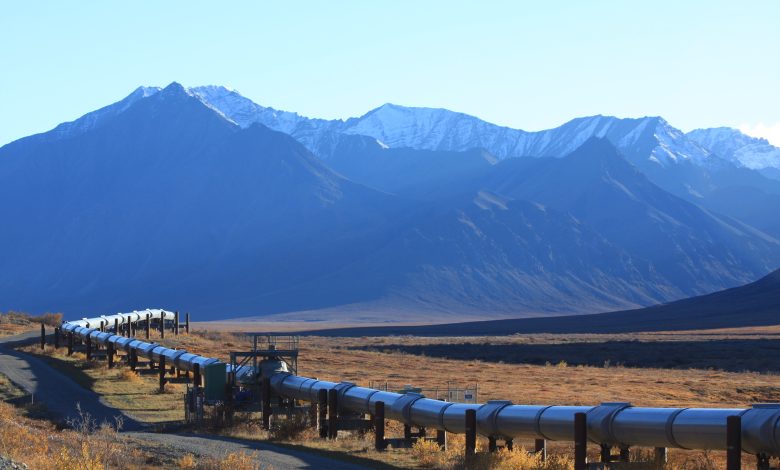
Saudi Arabia built the 1,200-kilometer East-West pipeline, also known as Petroline, in the early 1980s to link the Abqaiq oil hub in the east with the Red Sea port of Yanbu. The kingdom raised the line’s capacity to 7 million barrels per day this year, and Aramco confirmed the pipeline hit that ceiling as Hormuz shipping ground to a halt.
Saudi officials aren’t stopping there, as Reuters reported earlier this month that Riyadh is holding talks with Gulf neighbors to expand the pipeline’s capacity by up to 2 million barrels per day, and the plan may include a second, smaller line dedicated to refined products. The move would let Saudi Arabia and its partners push even more crude toward the Red Sea, bypassing Hormuz entirely.
The pipeline connects major oil production facilities with Yanbu’s export terminals, supplying refineries and linking to the Sumed pipeline in Egypt. During the current Iran war, it has operated at near-full capacity, enabling Saudi Arabia to maintain oil exports despite Hormuz’s closure. Analysts estimate Red Sea oil shipments rose by 21% compared to pre-war levels.
Regional Projects Accelerate Energy Security
The United Arab Emirates operates the Habshan-Fujairah pipeline, moving 1.8 million barrels daily from Habshan to Fujairah on the Gulf of Oman. In May 2026, ADNOC announced a new parallel pipeline, West-East 1, to double export capacity by 2027. Iraq is also fast-tracking its Basra-Haditha pipeline to triple shipments from 220,000 to 770,000 barrels per day.
By the end of 2028, total pipeline capacity could cover over 60% of Gulf states’ pre-war oil export volume, Goldman Sachs estimates. Currently, these pipelines offset about 8.8 million barrels of the 20 million that previously transited Hormuz daily.
Lloyd’s List data shows Hormuz traffic fell to its lowest point in May 2026, as vessels now risk attack unless approved by Tehran.
This strategic pivot significantly enhances regional energy security. “This acceleration in pipeline development strengthens regional energy security,” industry analysts told Reuters. The moves come as the Strait of Hormuz faces unprecedented challenges during the ongoing Iran war.
In conclusion, the East-West pipeline represents a monumental engineering achievement. It serves as a vital artery for the global economy. Saudi Arabia continues to safeguard international energy flows. Therefore, the entire world relies significantly less on the highly unpredictable Strait of Hormuz waterway.