The big picture: Saudi Arabia is moving decisively to secure vital international waterways against growing maritime threats. Consequently, the Kingdom is building an international coalition to shield Red Sea shipping from Houthi attacks, Reuters reported on Wednesday, citing two sources close to the talks.
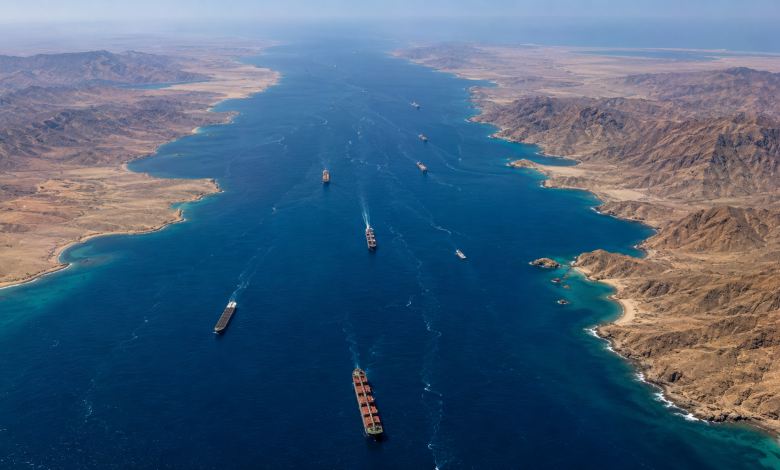
Why it matters: The Red Sea carries a huge share of the world’s energy and cargo traffic. So, a sustained blockade threat there raises shipping costs and pushes oil prices higher worldwide, not just in the Gulf.
Driving the News:
- Officials have not finalized the coalition’s makeup yet, but they are actively discussing it with dozens of countries, sources told Reuters.
- The Saudi Center for International Communication did not immediately respond to Reuters’ request for comment.
- Consequently, Riyadh appears to be favoring a broad, multinational response rather than acting alone, a pattern seen in earlier coalitions built to protect Red Sea shipping.
Why the Houthis are Escalating
Yemen’s Houthis alleged on 20 July that they had imposed a naval blockade on Saudi Arabia, a claim Riyadh flatly rebuffed as baseless, the latest instance of the Iran-backed militia’s hostile posturing toward the Kingdom..
Since then, the Houthis say they have launched several attacks on Saudi vessels. Meanwhile, Saudi Arabia has struck what it calls Houthi military sites at Yemen’s Hodeidah port, which it says the group uses to threaten commercial ships.
- A Yemeni government minister accuses the Houthis of working under Iranian guidance to impose transit fees on ships crossing the Red Sea and the Bab Al-Mandeb Strait.
- The standoff has opened a new front in the broader Iran conflict, extending tanker attacks well beyond the Gulf.
- Oil prices keep climbing as a result, adding pressure to a global economy already strained by disruptions at the Strait of Hormuz.
Gulf Allies Rally Behind Riyadh
Saudi Minister of Foreign Affairs Prince Faisal bin Farhan Al Saud spoke by phone this week with counterparts in Qatar, Kuwait and Bahrain. Those diplomats “stressed the importance of continuing efforts to de-escalate tensions,” his office said. They also condemned attacks by Iran and its allied militias in Iraq and Yemen, and pledged stronger joint action through the Gulf Cooperation Council (GCC).
What’s next: Saudi Arabia still needs to convince enough nations to commit ships and resources. Looking ahead, diplomatic discussions will focus on establishing clear operational rules and command structures for the proposed defensive fleet. Dozens of nations are currently evaluating their participation in the joint effort. Ultimately, the successful formation of this coalition will determine whether global powers can effectively safeguard freedom of navigation in the Red Sea.
Diplomats expect further official announcements in the coming weeks as partner nations review maritime protocols. Meanwhile, commercial shipping lines monitor regional advisories, though analysts anticipate market volatility until these coalition naval forces deploy across waters.