
Saudi Arabia and Kazakhstan are expanding their cooperation on integrity and anti-corruption efforts through a new memorandum of understanding (MoU) designed to strengthen coordination between their respective authorities.
Strengthening Anti-Corruption Coordination
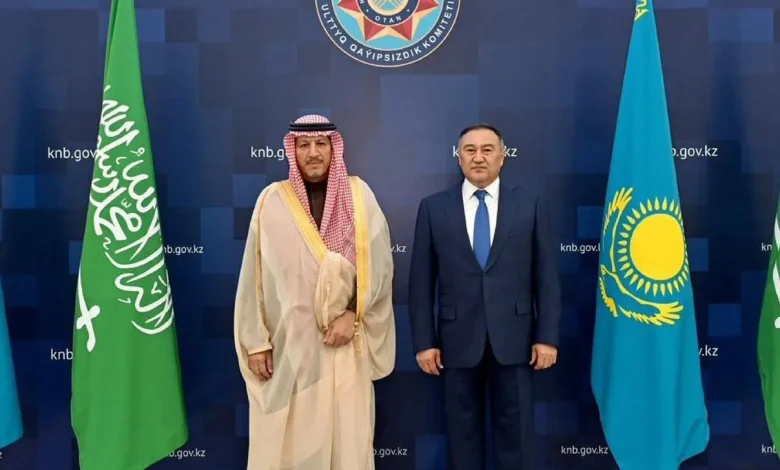
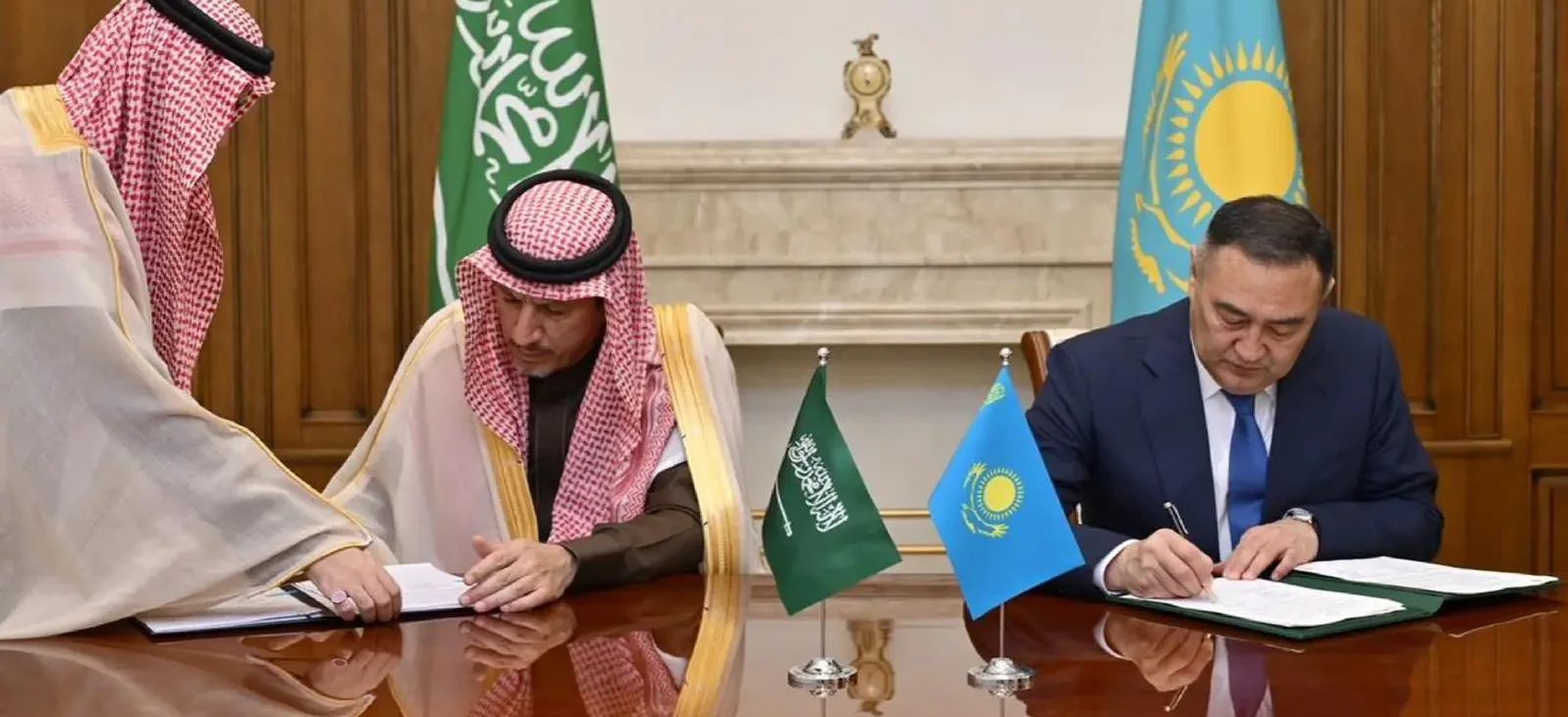
The agreement was signed by Nazaha President Mazin Al-Kahmous and Yermek Sagimbayev, chairman of Kazakhstan’s National Security Committee, in the presence of Saudi Ambassador to Kazakhstan Faisal Al-Qahtani, underscoring the institutional and diplomatic dimensions of the partnership.
Remarkably, the MoU places particular emphasis on cross-border corruption, where effective enforcement can depend on coordination between national authorities.
In this sense, it establishes a framework for the two sides to exchange information on corruption offenses and strengthen their institutional capacities, supporting a more coordinated approach to prevention and enforcement.
Where Are Saudi-Kazakh Ties Heading?
Alongside the agreement, discussions centered on strengthening Saudi-Kazakh relations and expanding cooperation between the two countries in promoting integrity and addressing corruption.
The discussions took place within the broader context of Saudi-Kazakh relations, with both sides reviewing bilateral ties and exploring additional ways to strengthen cooperation.
This wider diplomatic relationship has developed across several sectors, with political engagement, trade, investment, tourism, renewable energy, and agriculture emerging as important areas of mutual interest.
A Broader Agenda for Bilateral Relations
In an earlier discussion of bilateral relations, Kazakhstan’s Ambassador to Saudi Arabia, Madiyar Menilbekov, outlined his mission to expand cooperation between the two countries.
His priorities covered strengthening political ties, increasing trade and investment, promoting cultural exchange and tourism, and exploring opportunities in agriculture.
Political relations gained momentum following Kazakh President Kassym-Jomart Tokayev’s working visit to Riyadh in December 2024.
Menilbekov described the visit as successful and emphasized the importance of building on high-level engagement to advance bilateral cooperation.
He also highlighted plans for investment projects and business missions between the two countries in 2025, reflecting an interest in translating diplomatic relations into practical economic partnerships.
Travel Deepens Cultural Connections
Tourism has also become a notable component of these ties. Menilbekov signaled the growing number of Kazakh tourists visiting Saudi Arabia, particularly destinations such as Riyadh, AlUla, and Madinah.
According to figures he cited, around 7,000 Saudi nationals visit Kazakhstan annually, while more than 20,000 Kazakh citizens travel to Saudi Arabia.
These exchanges provide opportunities to strengthen people-to-people connections alongside formal diplomatic and commercial engagement.
Renewable Energy and Food Security in Focus
Energy and agriculture offer further areas for collaboration. Menilbekov highlighted a renewable-energy initiative involving Saudi company ACWA Power and a 1-gigawatt wind power project in Kazakhstan.
He also identified agriculture as a potential area for future cooperation, particularly in relation to food security.
These priorities illustrate the breadth of the bilateral agenda, which extends from energy development and investment to sectors with direct implications for economic resilience.
The ambassador also praised Saudi Arabia’s role in hosting international forums, including the Future Minerals Forum and the Future Investment Initiative (FII), which provide opportunities for international networking, investment discussions, and business cooperation.
He expressed admiration for the Kingdom’s transformation under Vision 2030, highlighting developments across culture, tourism, and sport.
How Can Both Countries Turn Commitments Into Action?
Within this broader relationship, the anti-corruption MoU introduces a distinct but complementary area of cooperation.
While trade, tourism, energy, and agriculture create opportunities for economic exchange, the new agreement focuses on institutional coordination, information-sharing, and the capacity of the two countries’ authorities to address corruption.
Its emphasis on cross-border offenses also underscores the need for cooperation between national institutions when tackling challenges that may extend beyond domestic jurisdictions.
The agreement’s stated objectives establish a framework for closer collaboration, although its practical impact will depend on how the two sides implement its provisions and translate information exchange and institutional development into concrete action.
Alongside their existing political and economic engagement, Saudi Arabia and Kazakhstan now have another channel through which to develop their bilateral relationship, with integrity and anti-corruption efforts forming part of a broader agenda for cooperation.
Related Topics:
Saudi Arabia, Kazakhstan Boost Mining Cooperation at AMM Congress
Energy Minister Meets Kazakhstan FM, Signs Coordination Council Deal
Trump Announces Kazakhstan to Join Abraham Accords